Build Credit from Scratch 101: A Young Texan’s Guide to Mastering Your First Score
Welcome to the start of your financial journey. If you’re a young adult in Texas looking to buy your first truck, rent your first apartment in Austin or Dallas, or even just land a solid job, there’s one number that’s going to follow you everywhere: your credit score.
Starting from zero, or "thin file" as the banks call it, can feel a bit like staring at a blank map. You know where you want to go, but you don't have the tracks laid down yet. At Texas Credit Trail, we believe that understanding how to build credit from scratch is a fundamental right for every Texan.
I’m William Avery, and I’ve seen firsthand how a little bit of knowledge early on can save you tens of thousands of dollars in interest over your lifetime. Let’s get you on the right trail.
What is a "Good" Credit Score, Anyway?
Before you start building, you need to know what the finish line looks like. In the world of credit, scores generally range from 300 to 850.
Most lenders use the FICO model. If you have no credit history, you don’t start at zero; you simply don't have a score at all. Once you start using credit, it takes about six months of activity to generate that first number.
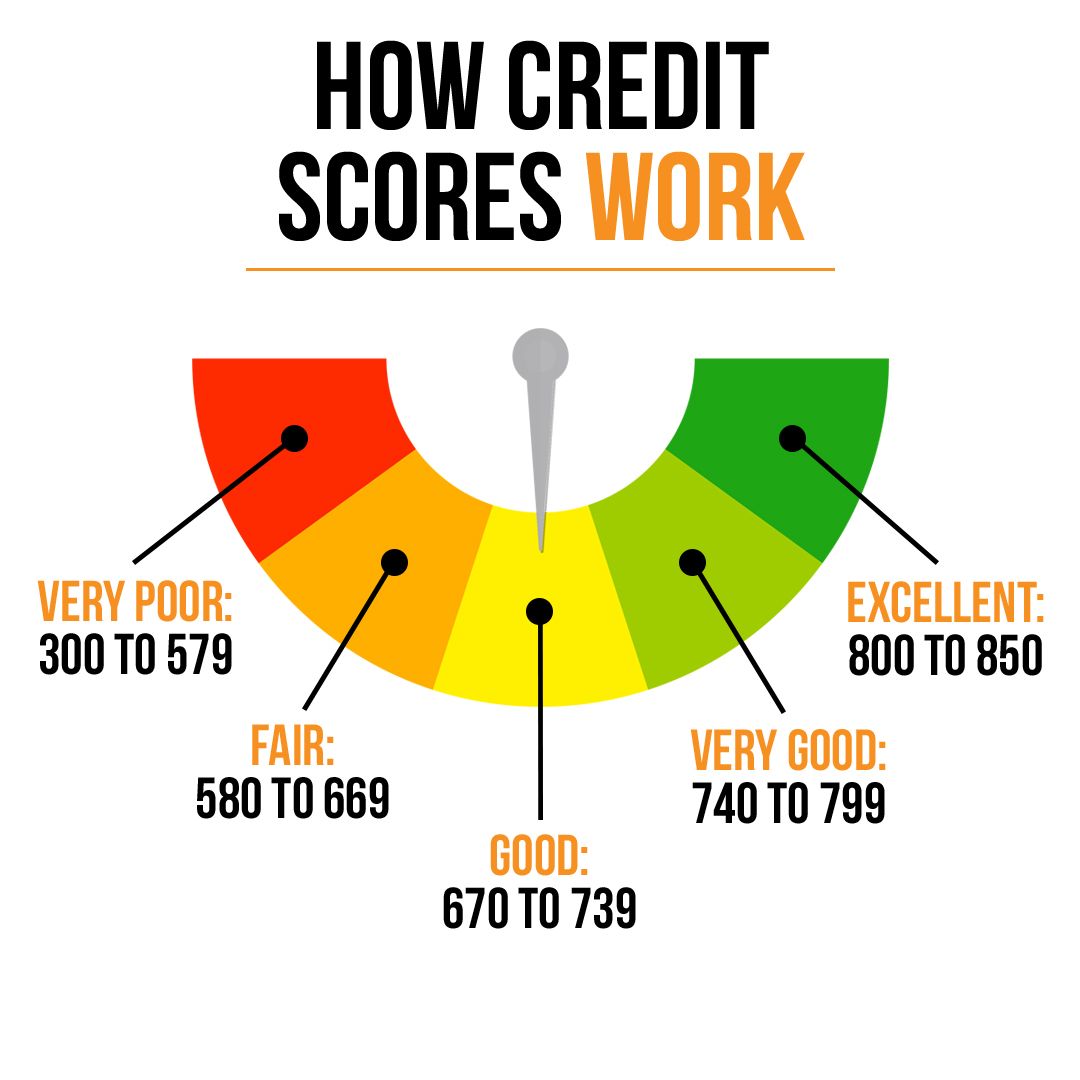
As you can see from the chart above:
- 300–579 (Very Poor): You’ll struggle to get approved for anything.
- 580–669 (Fair): You might get approved, but you’ll pay "Texas-sized" interest rates.
- 670–739 (Good): This is the "sweet spot" where doors start opening.
- 740+ (Very Good/Excellent): You get the best rates and the red-carpet treatment.
Our goal for you in this guide is to get you to that 700+ mark within your first year of building.
The Anatomy of Your Score: How the Math Works
Lenders aren't just guessing; they use a specific formula. If you want to master your score, you have to know which levers to pull.

"Most people think credit is a mystery, but it’s actually a math problem. If you focus on the 35% that is payment history and the 30% that is utilization, you’ve already won two-thirds of the battle." : William Avery, Owner of Texas Credit Trail
- Payment History (35%): Do you pay your bills on time? This is the most important factor. One late payment can tank a new score.
- Amounts Owed / Credit Utilization (30%): How much of your available credit are you using? If you have a $500 limit and you spend $450, you look risky.
- Length of Credit History (15%): How long have you been "in the game"? This is why starting young is such an advantage.
- Credit Mix (10%): Do you have different types of credit (like a card and a loan)?
- New Credit (10%): How many times have you applied for credit recently? Too many "hard inquiries" can hurt you.
Step 1: The Secured Credit Card (The "Training Wheels")
Since you don't have a history yet, a big bank might turn you down for a standard credit card. That’s where the secured credit card comes in.
Here’s how it works: You give a bank a deposit (usually $200–$500). That deposit stays in a savings account, and the bank gives you a credit card with a limit equal to that deposit. They aren't taking any risk because if you don't pay, they just take it out of your deposit.
The Strategy: Use the card once a month for something small: like a tank of gas or a Netflix subscription: and pay it off in full as soon as the bill arrives. After 6 to 12 months of this, most banks will "graduate" you to an unsecured card and send your deposit back.
Insider Tip: Check out local Texas institutions like Amplify Credit Union or UFCU. They often have better terms for first-time credit builders than the massive national banks. You can learn more about these options on our Education page.
Step 2: Become an Authorized User
This is the "fast track." If you have a parent or family member with a long history of perfect payments and a high credit limit, they can add you as an "authorized user" on their account.
You don't even have to use the card. In fact, they don't even have to give you the physical card. Just by having your name on the account, their years of good history can "bleed over" onto your credit report. It’s a powerful way to jumpstart a score, but it only works if the person you're joining is responsible!
Step 3: Credit Builder Loans
In Texas, we’re big on community, and many of our local banks offer Credit Builder Loans. This is one of my favorite tools for young Texans because it helps you save money while building credit.
Unlike a regular loan where you get the money upfront, with a credit builder loan, the bank puts the "loan" amount into a locked savings account. You make monthly payments (usually $25–$50). The bank reports these payments to the credit bureaus every month. Once the "loan" is paid off, you get all that money back! It’s like a high-five for your future self.
Mastering Credit Utilization: The 30% Rule
Once you have your first card, the biggest mistake you can make is "maxing it out," even if you pay it off every month.
Credit utilization is the ratio of your balance to your limit. If your limit is $1,000 and you spend $900, your utilization is 90%. This tells the credit bureaus you might be overextended.
The Golden Rule: Keep your utilization under 30%. On a $1,000 limit, never let your statement close with a balance higher than $300. If you want an "Excellent" score, keep it under 10%.
The Impact of Student Loans
For many young Texans, student loans are the first thing to hit their credit report. While debt can be scary, managing these loans correctly can actually help your score by improving your "Credit Mix."

As long as you stay on top of those payments, student loans prove to lenders that you can handle long-term installment debt. If you're struggling with them, don't just ignore the bills: that’s the fastest way to ruin a score before you’ve even started your career.
Why "DIY" Isn't Always Enough
Technically, you can do all of this yourself. You can apply for the cards, monitor your reports, and set up your own reminders. But here’s the reality: life happens. You get busy with school or work, you forget a due date, or a "zombie debt" from an old medical bill shows up and tanks your hard work.
Building credit is a marathon, not a sprint. While we love teaching you the ropes, sometimes you need a professional to look over your shoulder. Whether it’s fixing errors on your report or navigating more complex financial hurdles, having an expert in your corner can be the difference between a 620 and a 740.
If you’re feeling overwhelmed or just want to make sure you’re doing it right, check out our Services page to see how we help Texas families stay on the right trail.
Action Plan: Your First 90 Days
If you’re ready to start today, here is your 90-day roadmap:
- Month 1: Apply for a secured credit card at a local Texas credit union. Deposit $200.
- Month 2: Make one small purchase (under $40). Wait for the statement to arrive, then pay it in full.
- Month 3: Check your credit report for the first time at AnnualCreditReport.com to ensure the card is reporting correctly.

The Bottom Line
Building credit from scratch is all about consistency. It’s about showing the world that you are a person of your word: that when you borrow a dollar, you pay it back.
It might take 6 to 12 months to see a "Good" score, but that time is going to pass anyway. You might as well spend it building a foundation that will let you buy your dream home or start a business one day.
Don’t wait until you need good credit to start building it. Start now, while the stakes are low. If you have questions or need a hand getting started, we’re always here to help. You can reach out to us directly or dive into our E-books for more deep dives into the world of credit.
Stay on the trail, Texas. Your future self will thank you.
About Texas Credit Trail:
We are a Texas-based credit services firm dedicated to helping families understand and improve their financial standing. From credit repair to financial education, we believe in transparency and results.
Learn more about us here.
Ready to Start Your Credit Journey?
Get personalized credit repair guidance from William Avery
Book Free Consultation