The Ultimate Guide to Building Credit from Scratch: Everything Texas Families Need to Succeed
Starting your credit journey in Texas can feel a bit like staring at a blank map. Whether you’re a young adult just starting out, a parent looking to help your teen, or someone who has lived a "cash-only" life for years, having no credit history isn't a bad thing: it’s just a beginning.
In Texas, your credit score isn't just a number; it’s the key to the life you want to build. From getting a fair rate on a new truck to qualifying for a mortgage on a home with a big backyard, your credit profile is your reputation in the financial world. At Texas Credit Trail, we believe every family deserves the education to navigate this path successfully.
Why Credit Matters for the Modern Texas Family
You might be thinking, "I pay my bills in cash, why do I need a score?" The hard truth is that living without credit is expensive. In Texas, insurance companies often use credit-based insurance scores to determine your auto and homeowners' premiums. Landlords check it before approving a lease. Even utility companies might ask for a hefty deposit if they can’t find a credit file for you.
When you have a strong score, you stop paying the "no-credit tax." You get lower interest rates, better rewards, and more options. Building credit from scratch takes time: usually about 6 to 12 months to see a solid score: but the habits you form now will pay dividends for decades.
Understanding the Score: What is "Good" Credit?
Before you start building, you need to know what you’re aiming for. Most lenders use the FICO scoring model, which ranges from 300 to 850.
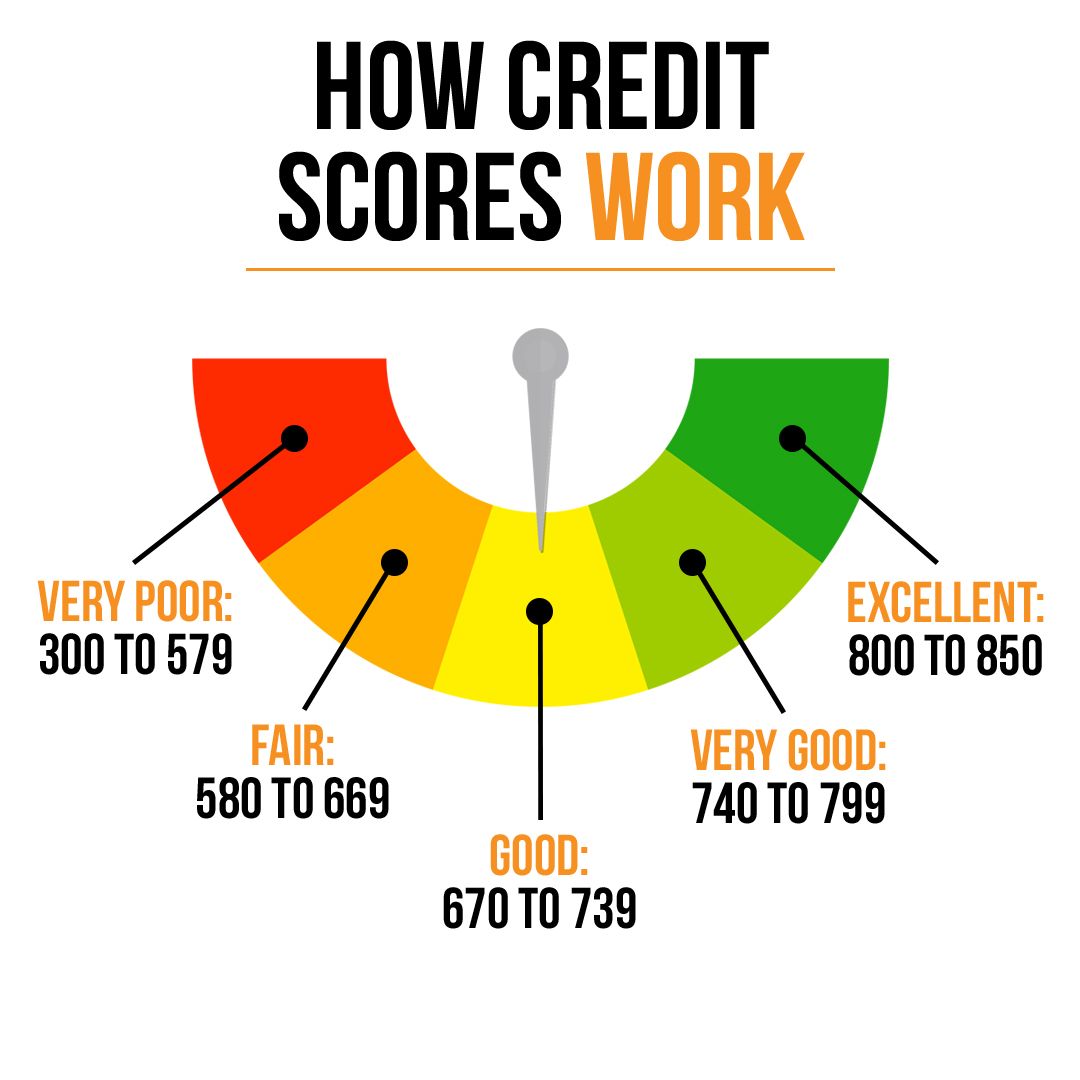
As you can see from the chart, once you cross into the "Good" range (670+), the world starts to open up. Excellent credit (800+) is the ultimate goal, giving you access to the lowest interest rates available. If you're starting from zero, you don't have a "poor" score: you have a "thin file." Your mission is to give the credit bureaus enough data to prove you’re a responsible borrower.
The Five Pillars of Your Credit Score
To build credit effectively, you have to understand how the bureaus grade you. It’s not a mystery; it’s a formula.

- Payment History (35%): This is the heavy hitter. One late payment can tank a score. You must pay every bill on time, every single time.
- Amounts Owed / Credit Utilization (30%): This is how much of your available credit you’re using. If you have a $1,000 limit and carry a $900 balance, your score will suffer.
- Length of Credit History (15%): How long your accounts have been open. This is why we tell people never to close their first credit card.
- Credit Mix (10%): Lenders like to see that you can handle different types of debt, like a credit card (revolving) and a car loan (installment).
- New Credit (10%): Opening too many accounts at once makes you look desperate for cash.
"Many people think they can just pay a company to 'fix' their credit overnight. The reality is that credit repair is about education and consistent habits. We teach you the rules of the game so you never have to play catch-up again." : William Avery, Owner of Texas Credit Trail
Step-by-Step: How to Build Credit from Scratch
Building a solid foundation requires the right tools. You don't need a massive loan to start; you just need activity.
1. The Secured Credit Card
For most Texas families, a secured credit card is the best first step. You provide a refundable deposit (usually $200–$500), and that deposit becomes your credit limit. Because the bank has your deposit as collateral, they are much more likely to approve someone with no credit history.
Pro Tip: Look for a card that eventually "graduates" to an unsecured card, returning your deposit after a year of on-time payments. You can check out some of our recommended offers and tools to find a good fit.
2. Credit-Builder Loans
This is a fantastic option often offered by local Texas credit unions. Unlike a traditional loan where you get the money upfront, the bank puts the loan amount into a locked savings account. You make monthly payments, and once the loan is paid off, the money is released to you. It’s essentially a forced savings plan that reports to the credit bureaus as an installment loan.
3. Become an Authorized User
If a parent or spouse has a long-standing credit card with a perfect payment history and low balance, they can add you as an "authorized user." You don't even need to use the card; their good habits will begin to reflect on your credit report. This is one of the fastest ways to jumpstart a score for college students or young adults.

Mastering Credit Utilization
Once you have your first card, the most common mistake is overusing it. Credit utilization is the secret sauce to a high score.
If your limit is $300, and you spend $250 on groceries, your utilization is over 80%. Even if you pay it off in full at the end of the month, the credit bureau might see that high balance on the day they "snapshot" your account.
The Golden Rule: Keep your balance under 30% of your limit at all times. For the best scores, keep it under 10%. On a $300 card, that means never letting the balance exceed $30.
Texas-Specific Credit Considerations
Texas is a community property state. While this doesn't change how your score is calculated, it does mean that debts incurred during a marriage are often considered joint responsibilities. If you’re building credit alongside a spouse, it’s vital that you both stay on the same page.
Additionally, many Texans are unaware that they can get credit for things they already pay for. Services now exist that allow you to report your rent and utility payments to the bureaus. For a family that has been renting for years, this can provide an immediate boost to a thin credit file. You can learn more about these strategies in our educational resources.

Helping the Next Generation
As a parent, one of the greatest gifts you can give your child is a head start on their credit. When they turn 18, help them open their first bank account at a local credit union and explore student-specific credit cards.

Teaching them how to budget and the importance of "autopay" will save them thousands of dollars in interest later in life. If you're a recent graduate or have one in the family, check out our E-books for more detailed guides on transitioning into financial independence.
Myth vs. Reality: The Hard Truths
There is a lot of bad advice floating around out there. Let’s clear a few things up:
- Myth: "Carrying a balance on my credit card helps my score."
- Reality: This is false. Carrying a balance only costs you money in interest. Pay your statement in full every month.
- Myth: "Checking my own credit score hurts it."
- Reality: Checking your own score is a "soft inquiry" and has zero impact. In fact, you should check it regularly to catch errors or identity theft.
- Myth: "I can just wait for bad credit to fall off."
- Reality: While negatives do fall off after seven years, doing nothing won't build a good score. You must actively build positive history to replace the old.
When to Seek Professional Help
Technically, you can do everything we’ve talked about on your own. You can write letters to the bureaus, research every law, and manage your own dispute process. But for most busy Texas families, time is the one thing they don't have enough of.
Errors on credit reports are incredibly common. According to the FTC, one in five people has an error on at least one of their credit reports. Dealing with the bureaus can be a bureaucratic nightmare. That’s where Texas Credit Trail comes in. We understand the "insider" logic the bureaus use, and we know how to hold them accountable to the Fair Credit Reporting Act.
If you’re ready to stop guessing and start growing, our services are designed to provide the professional muscle you need to see results faster.
Your Path Starts Today
Building credit is a marathon, not a sprint. By opening the right accounts, keeping your utilization low, and never missing a payment, you are laying the bricks for a stable financial future.
Don't wait until you're at the dealership or the mortgage office to find out your score isn't where it needs to be. Take control now. Whether you're starting from scratch or trying to fix past mistakes, we're here to help you every step of the way.
Ready to see where you stand? Contact us today for a consultation, or visit our About page to learn more about how we’ve helped families across the Lone Star State secure their financial trail.
Ready to Start Your Credit Journey?
Get personalized credit repair guidance from William Avery
Book Free Consultation