How to Improve Your Credit Score: 5 Steps to Fix Credit Like a Pro
Hey there, neighbor. If you’re reading this, you’ve probably realized that your credit score is more than just a number: it’s the key to your financial freedom here in the Lone Star State. Whether you’re looking to buy a home, snag a lower interest rate on a new truck, or just want the peace of mind that comes with financial stability, understanding how to improve your credit score is one of the best investments you can make for your family.
At Texas Credit Trail, we see folks every day who feel overwhelmed by the complexity of credit. The truth is, the system isn't designed to be easy to understand. But once you pull back the curtain, you’ll find that fixing credit isn't magic; it’s a process.
In this guide, we’re going to walk through five proven steps to help you fix your credit like a pro. We’ll cover everything from what a "good" score actually looks like to the nitty-gritty of credit utilization and building history from scratch.
What Exactly Is a "Good" Credit Score?
Before we start fixing things, we need to know what we’re aiming for. In the world of FICO scores (the most common model used by lenders), the range goes from 300 to 850.
For most Texas families, getting into the "Good" range is the first major milestone. Once you hit that 670 mark, doors start opening. You’ll find better terms on loans and credit cards, which ultimately keeps more money in your pocket instead of giving it away to the bank in interest.
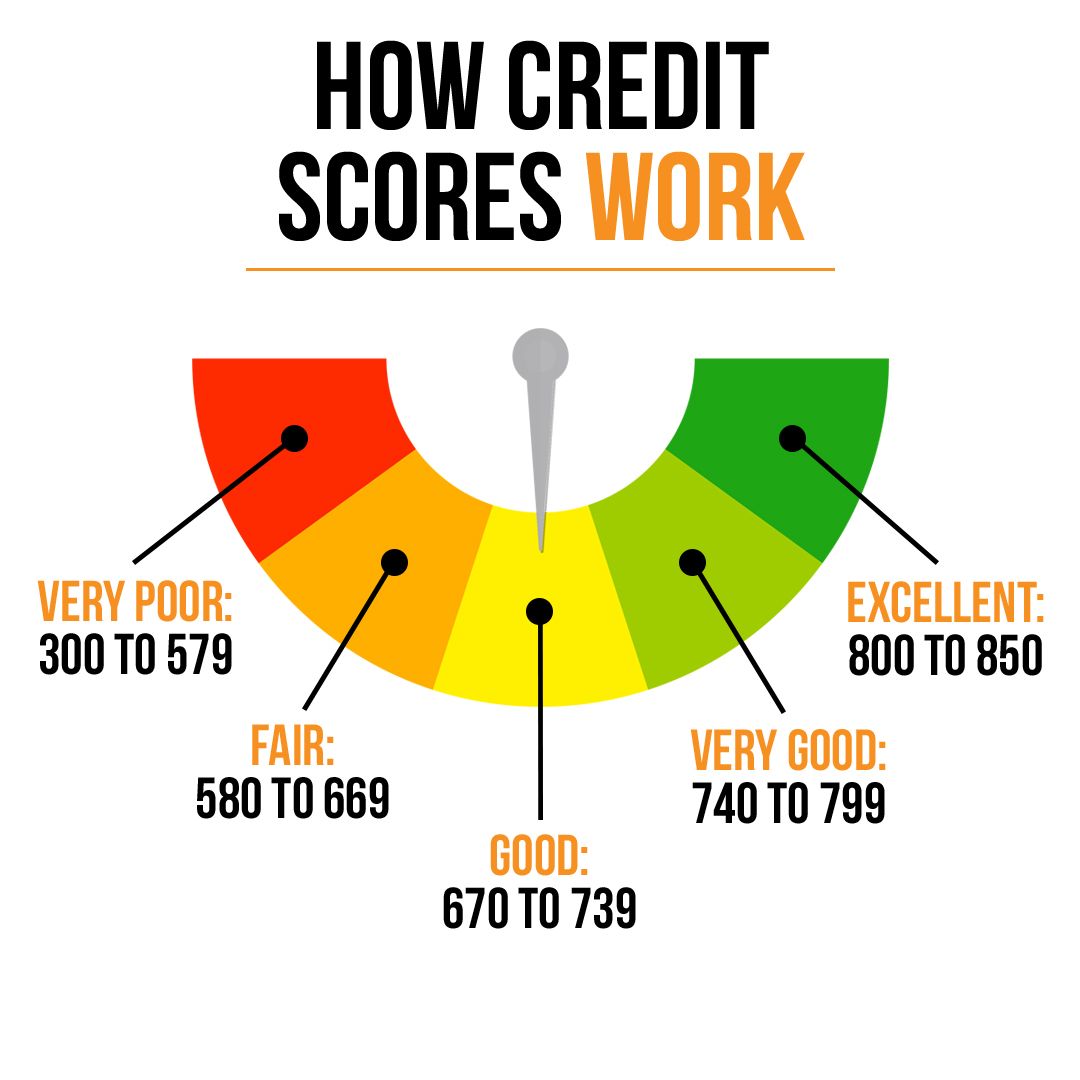
Here is a quick breakdown of where those numbers land:
- 300–579 (Very Poor): You’ll likely struggle to get approved for traditional credit.
- 580–669 (Fair): You might get approved, but you’ll pay much higher interest rates.
- 670–739 (Good): This is the "sweet spot" for most standard loans.
- 740–799 (Very Good): You are seen as a very low-risk borrower.
- 800–850 (Excellent): You’ll qualify for the absolute best rates available.
Step 1: Master the "Big 35%" – Your Payment History
If you want to move the needle on your score quickly, you have to start with your payment history. This single factor makes up 35% of your total score. It is the most significant piece of the pie.
Lenders want to know one thing above all else: if they give you money, will you pay it back on time? Even one late payment (30 days or more) can tank a good score by 50 to 100 points.
How to Fix It:
- Set Up Autopay: Life in Texas is busy. Between work, school, and family, it’s easy to let a bill slip through the cracks. Set your accounts to at least pay the "minimum amount due" automatically every month.
- Catch Up on Past Due Accounts: If you have accounts that are currently late, get them current as soon as possible. While the late payment stays on your report for seven years, its negative impact fades over time as you build a new string of on-time payments.
- Use Reminders: If you don't like autopay, set calendar alerts on your phone for five days before each bill is due.
"Many people think they need to pay off every cent of debt to see a score increase. While debt levels matter, the simple act of being consistent with your timing is what builds the foundation of a 'pro' credit profile." : William Avery, Owner of Texas Credit Trail
Step 2: Tackle Your Credit Utilization (The 30% Rule)
The second most important factor is credit utilization, which accounts for 30% of your score. This is essentially a measure of how much of your available credit you are actually using.
If you have a credit card with a $1,000 limit and you’ve spent $900, your utilization is 90%. To the credit bureaus, this looks like you’re "maxed out" and potentially in financial trouble, even if you plan to pay it off next month.

Pro Tip: The 10% Goal
Most experts tell you to stay under 30% utilization. That’s a good starting point. However, if you want to see your score skyrocket, aim to keep your balances below 10% of your total limit.
For example, if your total credit limit across all cards is $10,000, try to keep your reported balance under $1,000. You can do this by paying your bill before the statement closing date, which is often different from the due date. This ensures the low balance is what gets reported to the bureaus.
For more detailed strategies on managing these numbers, check out our Education page.
Step 3: Build a Diverse Credit Mix
Lenders like to see that you can handle different types of debt. This is called your credit mix. There are two main types:
- Revolving Credit: Credit cards and lines of credit.
- Installment Loans: Car loans, mortgages, and personal loans.
If you only have credit cards, or if you have no credit at all, your score may plateau.
Building from Scratch or Rebuilding
If you’re starting from zero, or if your score is too low to get a standard loan, consider credit builder loans. These are designed specifically to help you build a positive payment history. You "borrow" a small amount of money that stays in a locked savings account while you make monthly payments. Once the loan is paid off, you get the money back, and you’ve gained a year of perfect payment history on your report.
Becoming an authorized user on a family member's account is another great way for young Texans to jumpstart their journey. If your parents have a card they’ve had for 10 years with a perfect payment history, being added to that account can "piggyback" that history onto your own report.

Step 4: Protect Your Credit Age
Length of credit history accounts for 15% of your score. This is why we always tell our clients: Don't close your old accounts.
You might be tempted to close a credit card you no longer use, but if that’s your oldest account, closing it will shorten your average "credit age." It’s like erasing years of good behavior from your resume.
Keep those old cards open. If there’s an annual fee that doesn't make sense, call the bank and ask for a "product change" to a no-fee version of the card. Use the card once every six months for a small purchase (like a tank of gas) just to keep it active.
Step 5: Audit Your Reports for Errors
Did you know that roughly one in four credit reports contains a serious error? These mistakes can range from accounts that aren't yours to debts that should have fallen off years ago.
You are entitled to a free credit report from each of the three major bureaus (Equifax, Experian, and TransUnion). You can grab these at AnnualCreditReport.com.
How to Dispute Like a Pro:
- Look for Inaccuracies: Check for wrong addresses, misspelled names, and: most importantly: incorrect payment statuses.
- Gather Evidence: If you have proof that a debt was paid or that an account is fraudulent, keep those records handy.
- The DIY Reality Check: While you can certainly dispute these items yourself, the bureaus often make the process frustratingly difficult. They may reject your dispute for minor technical reasons. This is where professional credit repair services can save you months of headache.

Why "Wait and See" Is a Losing Strategy
We often talk to families who say, "I'll wait until next year to fix my credit." But here’s the hard truth: waiting costs money.
Let's say you're looking at a $300,000 mortgage. Someone with a 640 score might pay 2% more in interest than someone with a 740 score. Over a 30-year loan, that "waiting" could cost you over $100,000 in extra interest payments.
Improving your credit is about more than just a number; it’s about making sure your hard-earned money stays with your family, not with the lenders.
The Bottom Line
Improving your credit score is a marathon, not a sprint, but you can see significant gains in as little as 30 to 90 days by following these steps.
- Pay on time, every time.
- Keep your balances low (utilization).
- Don't close old accounts.
- Mix up your credit types.
- Check for and fix errors.
If you’re feeling stuck or don’t have the time to fight the credit bureaus yourself, we’re here to help. At Texas Credit Trail, we specialize in helping Texas families navigate the complexities of credit repair so you can get back to what matters most.
Ready to see where you stand? Check out our offers or contact us today for a consultation. Let’s get you back on the right trail.
Disclaimer: Texas Credit Trail provides educational information and credit repair services. Results vary based on individual credit profiles. We are proud to be a licensed and bonded service provider helping Texans build a stronger financial future.
Ready to Start Your Credit Journey?
Get personalized credit repair guidance from William Avery
Book Free Consultation