5 Steps How to Build Credit from Scratch and Secure Your Future (Easy Guide for Texas Young Adults)
Starting your financial journey as a young adult in Texas is an exciting time. You’re looking at your first real apartment, maybe eyeing a newer truck to get you to work, or thinking about finally moving out of your parents' place. But there’s a gatekeeper standing between you and those goals: your credit score.
If you’ve never had a credit card or a loan, you aren't starting with "bad" credit, you're starting with no credit. In the eyes of a lender, that’s almost as risky as having a poor score because you’re a total mystery to them. Here at Texas Credit Trail, we believe that education is the first step toward financial freedom. Building credit isn't about getting into debt; it's about proving you’re a responsible neighbor who keeps their word.
In this guide, I’m going to walk you through the five essential steps to building a rock-solid credit foundation from scratch.
The Foundation: What is a "Good" Credit Score?
Before we start building, we need to know what we’re aiming for. A credit score is a three-digit number that tells lenders how likely you are to pay back borrowed money. Most lenders use the FICO score model, which ranges from 300 to 850.
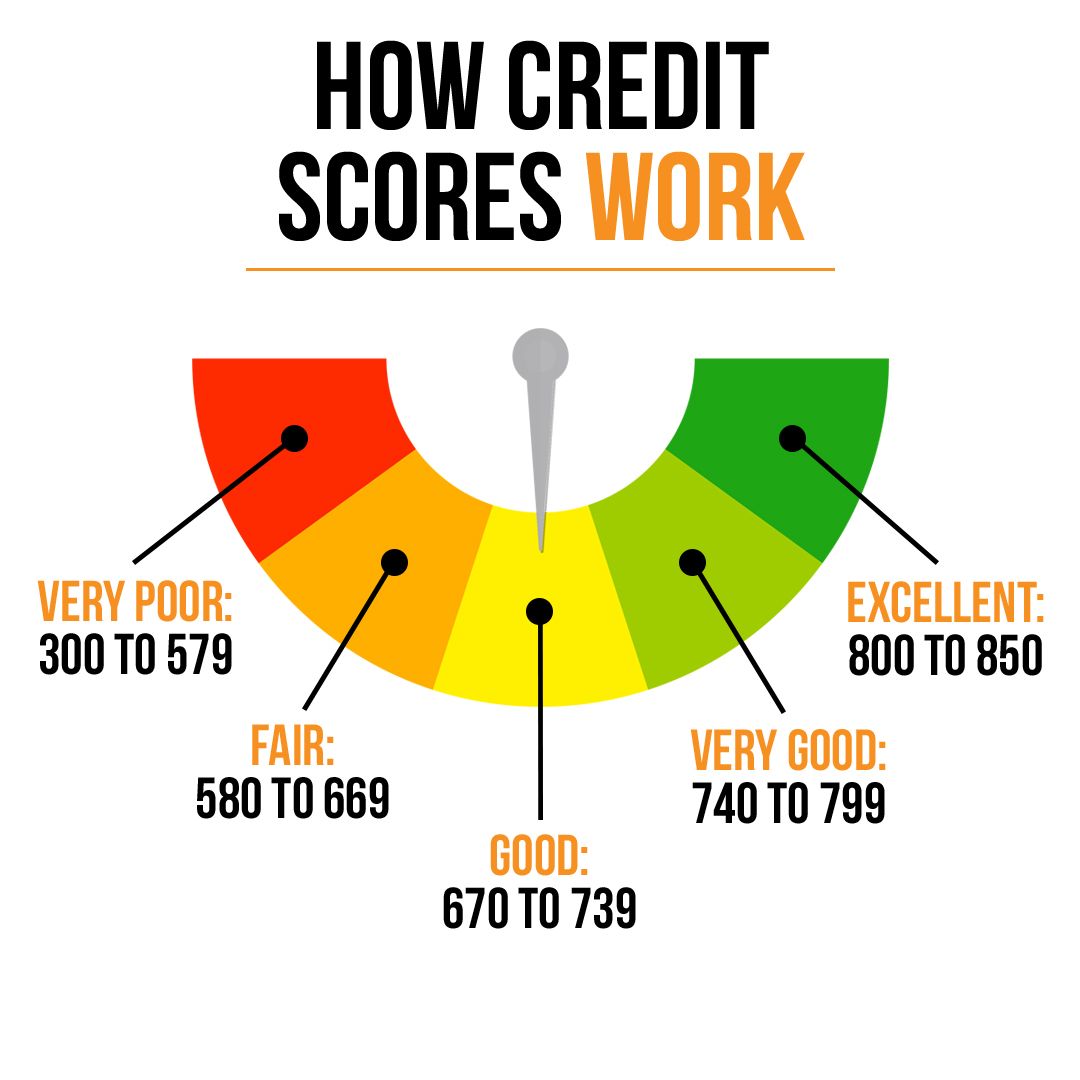
As you can see, the higher the number, the better the terms you’ll get. For a young Texan starting out, hitting that "Good" range (670–739) is a fantastic first goal. It means lower interest rates on car loans and a much easier time getting approved for a rental agreement without a massive deposit.
How the Math Works
Most people think credit scores are a total mystery, but it’s actually a pretty straightforward formula. The "industry secret" that most big banks don't bother explaining is the specific weight of each factor.

"Building credit is a marathon, not a sprint. You can’t rush the process, but you can definitely optimize the path. The goal isn't just to get a high number; it's to build a history that proves you're reliable when life happens." , William Avery, Owner of Texas Credit Trail
Step 1: Start with a Reported Account (Secured Options)
When you have zero credit, most big-name "Premium" cards will reject your application instantly. Every time they do, it can actually hurt your chances of getting approved elsewhere. Instead of swinging for the fences, start with a "Secured" account.
There are two main ways to do this:
- Secured Credit Cards: You give the bank a deposit (say, $200), and they give you a credit card with a $200 limit. They hold your money as collateral, so if you don't pay, they aren't out any cash. It's the training wheels of the credit world.
- Credit-Builder Loans: These are common at Texas credit unions. You "borrow" a small amount, but the bank holds it in a savings account while you make monthly payments. Once you’ve paid it off, you get the money back plus a healthy boost to your credit report.
Check out our services page if you're unsure which route fits your current budget. Starting small is the key to winning big later.
Step 2: The Golden Rule: Make Every Payment On Time
If you take nothing else away from this guide, remember this: Your payment history is 35% of your total score.
In Texas, we value a person's word. In the credit world, your "word" is your payment history. Just one payment that is more than 30 days late can stay on your credit report for seven years and tank your score by 100 points or more.
Pro Tip: Set up "Auto-Pay" for the minimum amount due on every account you open. Even if you forget to check your statement, the bank will pull that minimum payment, and your "on-time" streak will stay alive.
Step 3: Master Your Credit Utilization (The 30% Rule)
This is where many young adults get tripped up. Just because you have a $500 limit doesn't mean you should spend $500.
Credit Utilization is the fancy term for how much of your limit you're actually using. Lenders get nervous when they see people maxing out their cards. It looks like you're desperate for cash.
- The Myth: You need to carry a balance and pay interest to build credit.
- The Reality: You should pay your balance in full every month.
- The Goal: Keep your balance below 30% of your limit. If your limit is $300, never let that statement close with a balance higher than $90. For the best results, keep it under 10%.
Step 4: Diversify Your Credit Mix
Once you’ve had your first secured card for about 6 to 12 months and you've never missed a payment, it’s time to show lenders you can handle different types of debt.
There are two main types of credit:
- Revolving Credit: (Credit cards) where the balance goes up and down.
- Installment Loans: (Car loans, student loans, personal loans) where you pay a fixed amount every month for a set period.
Lenders love to see a "mix." If you already have student loans, you’re already building this history. If not, don't go out and buy a truck just to build credit! Wait until you actually need a loan for a life purpose.
If you are a recent graduate, understanding how your student loans impact your future is vital. You can find more details in our E-books section.

Step 5: Be Strategic with New Applications
Every time you apply for credit, the lender does a "Hard Inquiry." This tells the credit bureaus that you're looking for money. One or two inquiries a year is perfectly normal. However, applying for five credit cards in one weekend is a massive red flag. It makes you look "credit hungry."
Before you apply for anything, check your own report. You can learn how to do this for free on our education page. Monitoring your own score is a "Soft Inquiry" and does not hurt your score.
The Hard Truth About DIY Credit Building
Technically, you can do all of this yourself. You can spend dozens of hours researching laws, calling banks, and monitoring every single move. But the reality is that the credit system is designed to be confusing. Errors happen on credit reports all the time: in fact, about 1 in 5 Americans has a mistake on their report that is lowering their score.
If you find yourself stuck, or if you’ve already made a few mistakes (we’ve all been there), that’s where professional help makes the difference.
Why Choose Texas Credit Trail?
We aren't a giant, faceless corporation in a skyscraper. We’re a Texas-based team that understands the local economy and the specific needs of Texas families.
- Expert Guidance: We know the "insider" secrets to disputing inaccuracies that the average person might miss.
- Efficiency: What might take you two years to figure out, we can often streamline into 3–6 months.
- Education First: We don't just "fix" it; we teach you how to maintain it so you never need us again.
Building credit from scratch is the best way to ensure that when you're ready for that "forever home" or that dream business venture, the banks are ready for you. Don't let a lack of history hold you back from the future you're working so hard to build.
Ready to take the next step in your financial journey?
Whether you’re just starting at 18 or you’re a young professional looking to level up, we’re here to help. Explore our offers or contact us today for a consultation. Let’s get you on the right trail.
Texas Credit Trail is a Licensed and Insured Financial Services company dedicated to helping Texas families achieve their financial dreams through education and credit improvement.
Ready to Start Your Credit Journey?
Get personalized credit repair guidance from William Avery
Book Free Consultation