Texas Credit 101: A Beginner’s Guide to Mastering What Is a Good Credit Score
If you’ve ever sat across the desk from a loan officer or tried to rent a new apartment in one of our growing Texas communities, you know that three-digit number called a credit score carries a lot of weight. It’s often the difference between getting a "yes" with a low interest rate and being told "not today."
At Texas Credit Trail, we believe that understanding your credit shouldn’t feel like trying to navigate a backroad without a map. Whether you're a young professional just starting out, a family looking to buy your first home, or someone trying to bounce back from a few financial bumps, mastering the basics of credit is the first step toward financial freedom.
In this guide, we’re going to break down exactly what a "good" credit score looks like, how the math actually works, and the most effective ways to build and fix your credit here in the Lone Star State.
What Exactly Is a "Good" Credit Score?
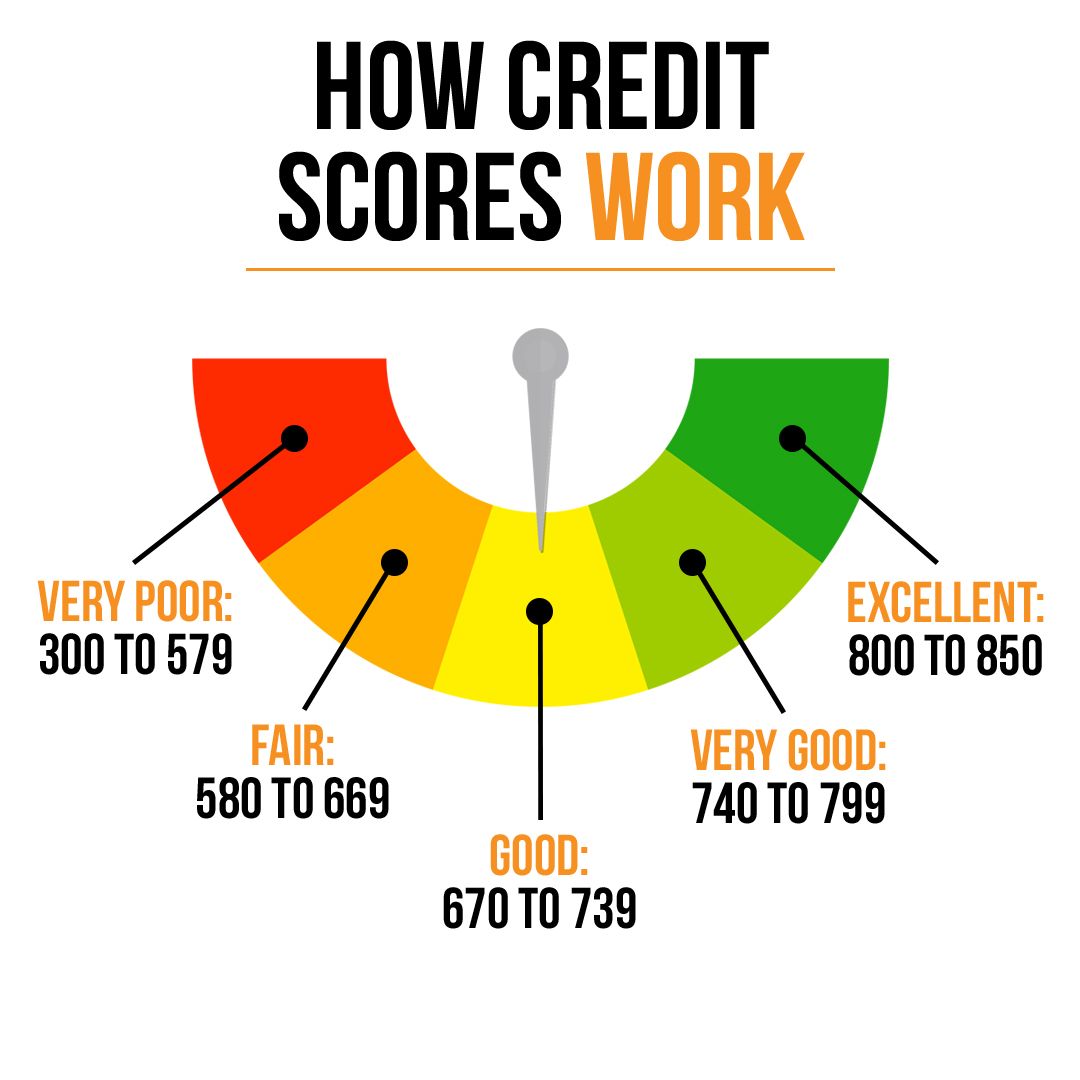
Most lenders use the FICO® scoring model, which ranges from 300 to 850. While every lender has their own specific "cut-off" points, there are general industry standards that most Texas banks and credit unions follow.
The Credit Score Spectrum
- Excellent (800–850): You’re at the top of the trail. You’ll likely qualify for the lowest interest rates and best terms available.
- Very Good (740–799): You are a very low-risk borrower. You’ll have no trouble getting approved for most loans.
- Good (670–739): This is the "sweet spot" for many Texas families. You are considered a reliable borrower, though you might not get the absolute rock-bottom interest rates reserved for the 800+ club.
- Fair (580–669): You’re in the middle of the pack. You can still get credit, but you’ll likely pay higher interest rates and might face more scrutiny during the application process.
- Poor (300–579): This range indicates significant credit challenges. You may be required to pay high deposits for utilities or be denied for traditional loans.
"A good credit score isn't just a number; it's a tool that saves you thousands of dollars over your lifetime. My goal is to make sure every Texas family understands how to sharpen that tool." : William Avery, Owner of Texas Credit Trail
How the Math Works: The Five Key Factors
To improve or fix your credit, you first have to understand how the score is calculated. Many people think it's just about paying bills, but it’s actually a bit more complex.
Here is the breakdown of how your FICO score is determined:
- Payment History (35%): This is the single most important factor. Have you paid your bills on time? Even one 30-day late payment can drop a good score significantly.
- Amounts Owed / Credit Utilization (30%): This looks at how much of your available credit you’re actually using. If you have a $1,000 limit and you owe $900, your utilization is 90%, which hurts your score.
- Length of Credit History (15%): The longer you’ve had credit accounts open and active, the better. This is why we often advise clients not to close old accounts, even if they don't use them much.
- Credit Mix (10%): Lenders like to see that you can handle different types of credit: like a mix of "revolving" credit (credit cards) and "installment" loans (auto loans or mortgages).
- New Credit (10%): Opening too many new accounts in a short period of time can signal financial distress to a lender.

Building Credit from Scratch
If you're a young adult or someone who has always lived a "cash-only" lifestyle, you might find yourself with a "thin file" or no credit score at all. In the credit world, having no credit can sometimes be just as challenging as having bad credit.
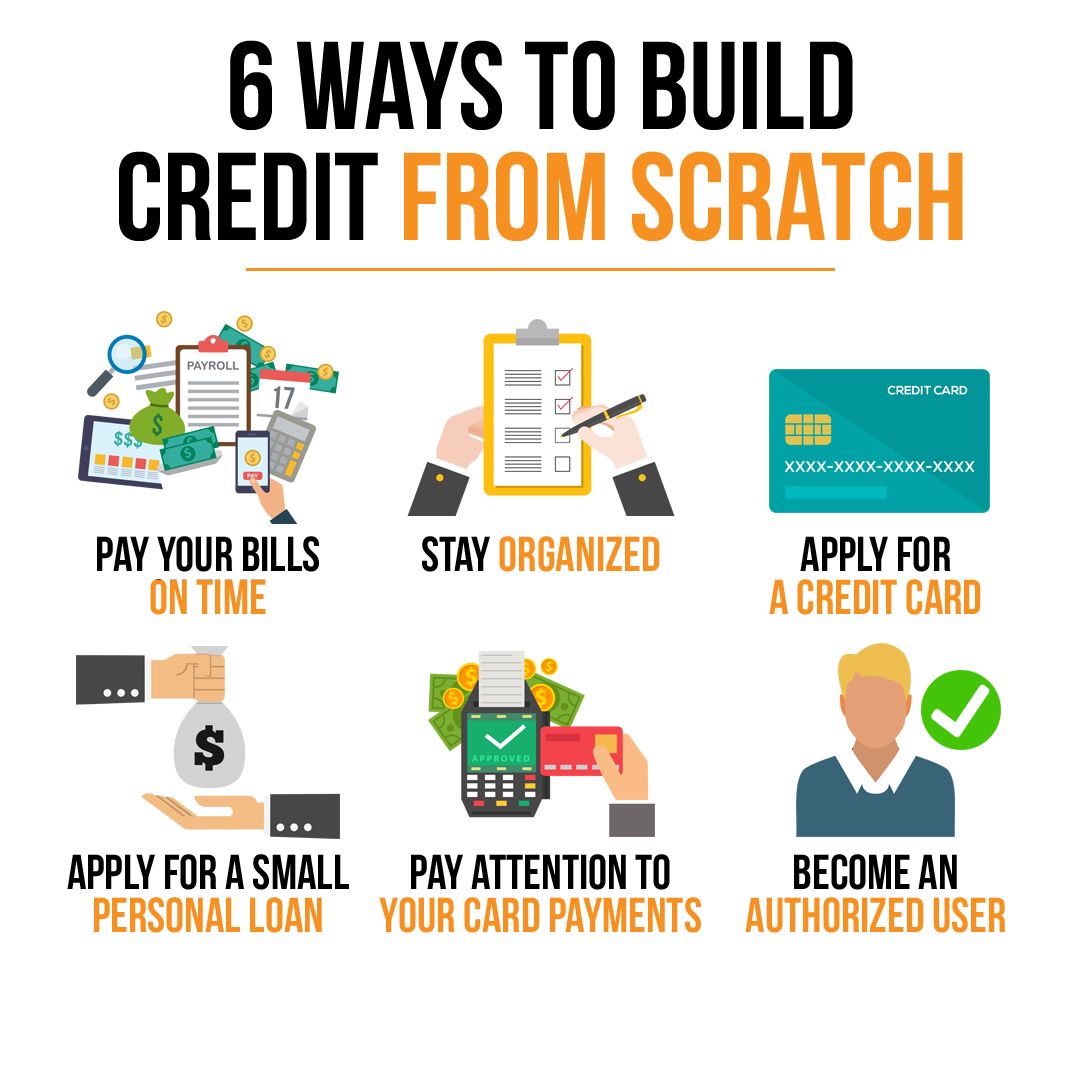
The good news is that building credit from scratch is very manageable if you follow a plan.
1. Credit Builder Loans
A credit builder loan is one of the most effective tools for beginners. Unlike a traditional loan where you get the money upfront, the lender puts the loan amount into a locked savings account. You make monthly payments (which are reported to the credit bureaus), and once the loan is paid off, you get the money back. It’s essentially a forced savings plan that builds your payment history.
2. Secured Credit Cards
With a secured card, you provide a cash deposit (usually $200–$500) that serves as your credit limit. Because the bank has your deposit, they are much more likely to approve you. If you use the card for small purchases and pay it off every month, you’ll see your score start to climb.
3. Become an Authorized User
If you have a family member with a long history of perfect payments on a specific credit card, they can add you as an "authorized user." Their good history with that card can then be reflected on your credit report.
The Truth About Credit Utilization
One of the biggest "secrets" to a quick score boost is mastering your credit utilization. As we mentioned earlier, this makes up 30% of your score.
The "Golden Rule" of credit utilization is to keep your balances below 30% of your limits. However, if you really want to see your score soar into the "Excellent" range, we recommend keeping it below 10%.
For example, if you have a credit card with a $5,000 limit, you should try to keep the reported balance under $500. You can still use the card more than that, but make sure you pay it down before the statement closing date so the low balance is what gets reported to the bureaus.
How to Improve and Fix Credit
If your score is lower than you’d like it to be, don’t get discouraged. Credit is not a permanent record; it’s a moving snapshot of your financial habits.
The DIY Approach
You can start fixing your credit today by:
- Checking your credit reports at AnnualCreditReport.com for errors.
- Disputing any inaccuracies you find.
- Setting up autopay for all minimum payments to ensure you never have another late payment.
- Paying down high-interest credit card debt first.
Why Professional Help Matters
While the DIY approach is technically possible, many Texas families find it overwhelming to deal with credit bureaus and debt collectors on their own. The credit system is designed to be confusing, and mistakes in the dispute process can actually set you back.
At Texas Credit Trail, we understand the "insider" rules that the bureaus use. We help our clients navigate the complexities of credit repair services to ensure they are getting the best possible results in the shortest amount of time.
"Most people spend years trying to fix their credit on their own, only to move the needle a few points. We focus on the strategies that actually move the needle 100 points or more by addressing the root causes of a low score." : Texas Credit Trail Team

The Cost of Waiting
Many people put off credit improvement because they think they’ll "get to it next year." But waiting can be incredibly expensive.
Consider a $400,000 mortgage for a home in Texas. A person with a "Good" score (700) might pay $200–$300 more per month in interest than someone with an "Excellent" score (760). Over a 30-year loan, that’s nearly $100,000 wasted on interest.
Whether it's higher insurance premiums, utility deposits, or interest on an auto loan, having "Fair" or "Poor" credit is a quiet tax on your hard-earned income.
Your Path to a Better Score Starts Here
Understanding "what is a good credit score" is just the beginning. The real magic happens when you take that knowledge and put it into action.
If you're ready to stop guessing and start growing your score, we have the resources to help. You can explore our educational materials to learn more about the specifics of Texas lending, or check out our latest news for updates on credit laws and tips.
Building a strong credit foundation is a marathon, not a sprint. But with the right guide, the trail becomes a lot easier to walk.
Ready to see where your credit stands and how to take it to the next level?
Contact us today for a personalized consultation. Let’s get you on the right trail toward the "Excellent" score you deserve.
Whether you need to fix your credit or just need some guidance on credit builder tools, Texas Credit Trail is here to support your family’s financial journey every step of the way.
Ready to Start Your Credit Journey?
Get personalized credit repair guidance from William Avery
Book Free Consultation