How to Build Credit from Scratch in Texas: 5 Steps for the Next Generation
If you’re a young adult in the Clear Lake or Bay Area, or a parent helping your teenager navigate their first financial steps, you’ve likely run into the ultimate "catch-22" of the American financial system: you can't get credit without a credit history, but you can’t build a credit history without someone giving you credit first.
In 2026, the stakes are higher than ever. With interest rates fluctuating and the Texas housing market remaining competitive, a solid credit score isn’t just a "nice-to-have" anymore: it’s your ticket to independence. Whether you’re looking to rent your first apartment in League City or buy a used truck to get to work, your credit score is the first thing people will look at.
At Texas Credit Trail, we believe that credit education should be accessible, honest, and straightforward. We’ve seen too many Texas families get stuck in a cycle of high-interest "starter" loans that do more harm than good. Here is the blueprint our owner, William Avery, teaches to help the next generation of Texans build a bulletproof credit foundation from the ground up.
The Reality Check: Why You Can’t Afford to Wait
Most people think they can wait until they "need" credit to start building it. The hard truth? By the time you need a car loan or a mortgage, it’s already too late to start. Credit building is a marathon, not a sprint. It takes time for the credit bureaus to see that you are a reliable borrower.
"Building credit is like planting an oak tree in the Texas heat. You don't wait until you're sweating to plant the seed. You plant it years in advance so the shade is there when you need it most." : William Avery, Owner of Texas Credit Trail
If you start today, you can have a "Good" to "Excellent" score within 12 to 24 months. If you wait, you might find yourself paying thousands of dollars in extra interest or being denied basic services.
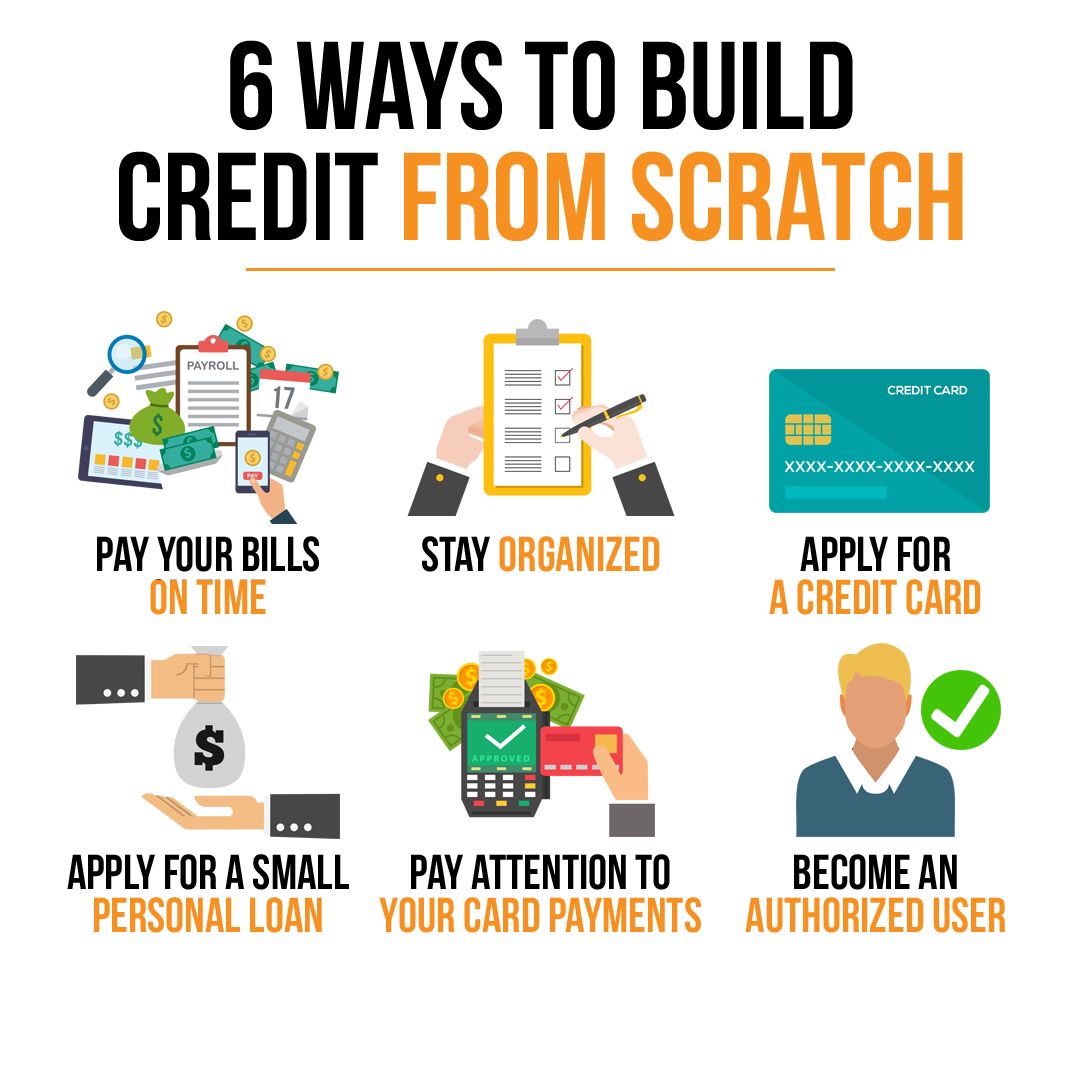
Step 1: Establish Your Financial "Home Base"
Before you even look at a credit card, you need a solid foundation. In Texas, we value community, and your local bank or credit union is the best place to start.
Open a checking and savings account in your own name. While these accounts don’t directly report to your credit score, they establish a relationship with a financial institution. Banks in the Clear Lake area are much more likely to approve a "starter" credit product if they can see you’ve been responsibly managing a checking account for six months.
The Insider Secret: Many Texas credit unions offer "Credit Builder" programs specifically for young adults. These aren't always advertised on the front page, but they are designed to help you get your foot in the door. You can learn more about these types of programs on our Education Page.
Step 2: The Secured Credit Card Strategy
Since most traditional credit cards will deny someone with "thin file" (no credit history), the Secured Credit Card is your best friend.
Here’s how it works: You give the bank a deposit: let's say $200. The bank then gives you a credit card with a $200 limit. The deposit acts as collateral, which lowers the risk for the bank.
The 2026 Rules for Success:
- Ensure they report: Make sure the card issuer reports to all three major credit bureaus (Equifax, Experian, and TransUnion). If they don't report, you're just spending money without building credit.
- Avoid "Fee-Harvester" Cards: Some companies target young Texans with cards that have high annual fees and monthly maintenance fees. If a card asks for $100 in fees before you even open it, walk away.
- Keep it in the drawer: You don't need to use the card for everything. One tank of gas or one grocery run a month is enough to trigger a "paid on time" report.
Step 3: Master the "30% Rule" (And Why 10% is Better)
Once you have that first card, how you use it matters more than how much you spend. This is where most young people trip up. They see a $500 limit and spend $450. Even if they pay it off in full, their credit score might actually drop.
This is because of your Credit Utilization Ratio: the amount of credit you're using compared to your limit. This factor accounts for roughly 30% of your total score.

The Texas Credit Trail Strategy:
- The Myth: "I should carry a balance to show I can pay interest."
- The Reality: Never carry a balance. Pay it off in full every single month. Interest is a waste of your hard-earned Texas dollars.
- The Goal: Keep your reported balance under 10% of your limit. If your limit is $200, never let more than $20 show up on your monthly statement.
Step 4: Add Diversity with a Credit Builder Loan
To get into the "Excellent" range, you need more than just a credit card. You need a "Credit Mix." This means showing you can handle both revolving credit (cards) and installment credit (loans).
For the next generation, we highly recommend a Credit Builder Loan. These are common at Texas-based credit unions. Instead of giving you the money upfront, the bank holds the loan amount in a savings account while you make monthly payments. Once the loan is "paid off," you get the money back plus a little interest.
It’s essentially a forced savings plan that builds your credit history. It shows lenders you can commit to a monthly payment schedule over a year or two. This is a game-changer for someone starting from zero.

Step 5: Become an Authorized User (The "Jumpstart" Method)
If you have a parent or family member in the Clear Lake area with a long history of perfect credit card payments, they can add you as an Authorized User on one of their older accounts.
When they do this, that card’s history often "mirrors" onto your credit report. If the card is 10 years old and has never had a late payment, it can instantly age your credit profile and boost your score.
The Hard Truth: This only works if the primary cardholder is responsible. If they miss a payment or max out the card, it will hurt your score too. Only do this with someone you trust implicitly. You can find more details on our Services Page about how to manage these types of credit relationships.
Monitoring Your Progress
In 2026, there is no excuse for not knowing your score. However, don't get obsessed with the daily fluctuations. Your score will wiggle up and down a few points every month: that's normal. Focus on the long-term trend.
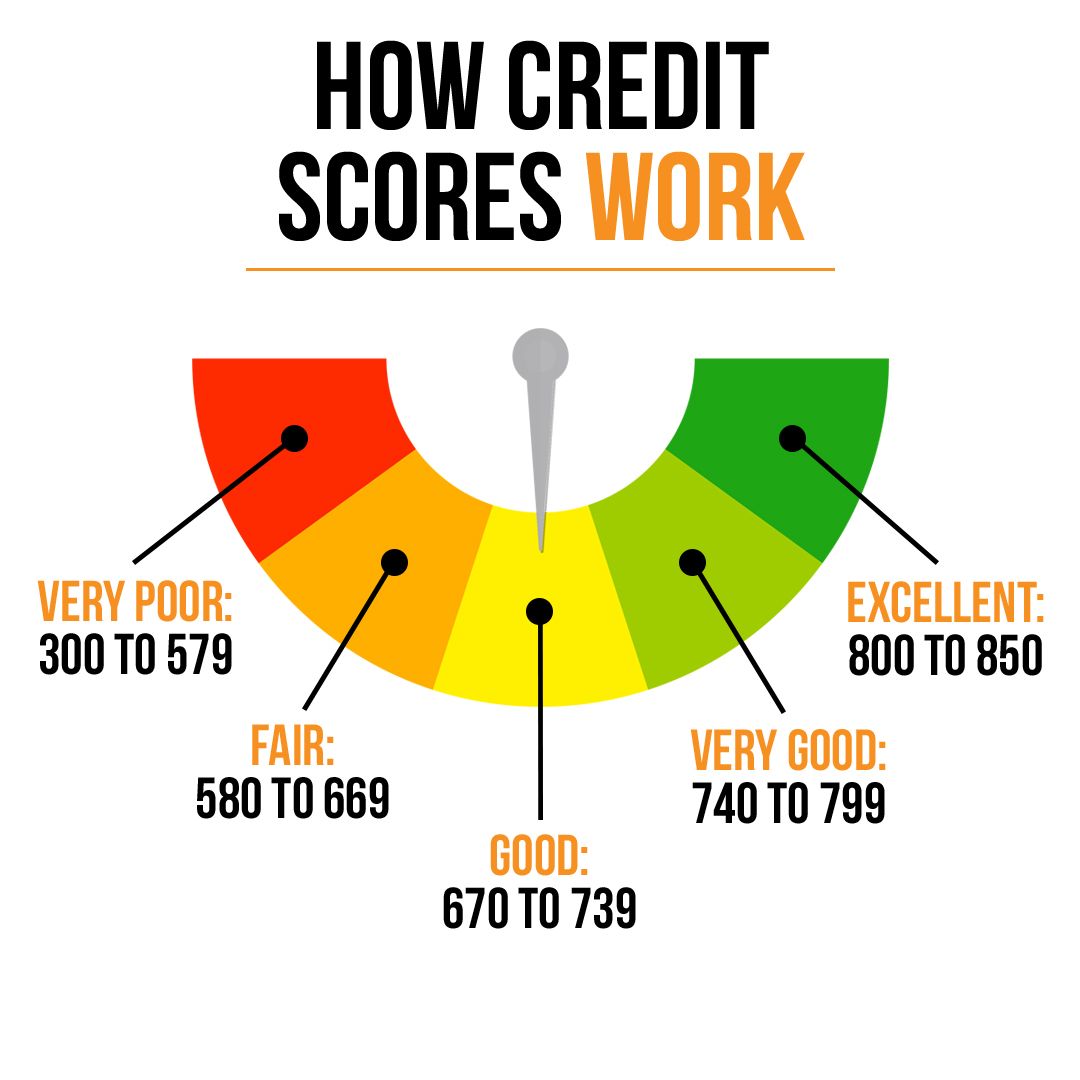
As you watch your score move from "Very Poor" to "Good," you'll start to see the doors of opportunity open. You'll get better offers in the mail, lower insurance premiums, and eventually, the ability to buy a home or start a business right here in the great state of Texas.
Common Mistakes to Avoid
While building credit, a single mistake can set you back six months. Here are the three most common "trail hazards" William Avery warns our clients about:
- Late Payments: In the credit world, "on time" means by the due date, not a day later. One 30-day late payment can tank a new score by 100 points. Set up autopay for the minimum amount just to be safe.
- Applying for Too Much at Once: Every time you apply for credit, it creates a "Hard Inquiry." Too many of these in a short period makes you look desperate to lenders. Space out your applications by at least 6 months.
- Co-signing for Friends: We’re friendly people in Texas, but co-signing a loan for a friend is a recipe for credit disaster. If they miss a payment, it’s your credit on the line.

Why Professional Guidance Matters
You can technically do all of this yourself. The information is out there. However, the reason families in the Bay Area work with Texas Credit Trail is the same reason you hire a guide when you’re heading into unfamiliar territory: to avoid the pitfalls and get there faster.
We don't just "fix" credit; we provide the digital guides and personal education to ensure you never have to worry about your score again. We know the specific hurdles Texas families face, from student loan impact to navigating the latest 2026 lending regulations.
If you’re ready to stop guessing and start building a financial legacy for the next generation, we’re here to help you clear the path.
Take the First Step Toward Your Financial Future
Don't leave your credit score to chance. Whether you're starting from scratch or trying to help your child get a head start, professional guidance makes the difference between a "Fair" score and an "Excellent" one.
Ready to Start Your Credit Journey?
Get personalized credit repair guidance from William Avery
Book Free Consultation