The Ultimate Guide to Building Credit from Scratch: A Texas Family’s Roadmap
Starting with a "blank slate" when it comes to credit can feel a bit like standing at the base of a mountain without a map. Whether you’re a young adult just starting out, a newcomer to the country, or someone who has simply lived a cash-only lifestyle for years, having no credit history can be just as challenging as having bad credit.
In Texas, we value independence and hard work, but the reality of the modern financial world is that your credit score is your digital reputation. It determines if you can buy that family home, what kind of interest rate you’ll get on a truck, and sometimes even whether you can land a specific job. At Texas Credit Trail, we’ve seen how transformative a solid credit foundation can be for a family's future.
This guide is designed to be your roadmap. We’re going to walk through exactly how to build credit from scratch, the tools you need to do it, and the pitfalls you must avoid.
What Exactly Is a Good Credit Score?
Before you start building, you need to know what you’re aiming for. A credit score is a three-digit number, typically ranging from 300 to 850, that tells lenders how likely you are to pay back borrowed money.
When you have no credit, you don’t start at zero; you simply don’t have a score at all. This is often called being "credit invisible." To get on the map, you need to generate enough data for the credit bureaus: Equifax, Experian, and TransUnion: to calculate a score for you.
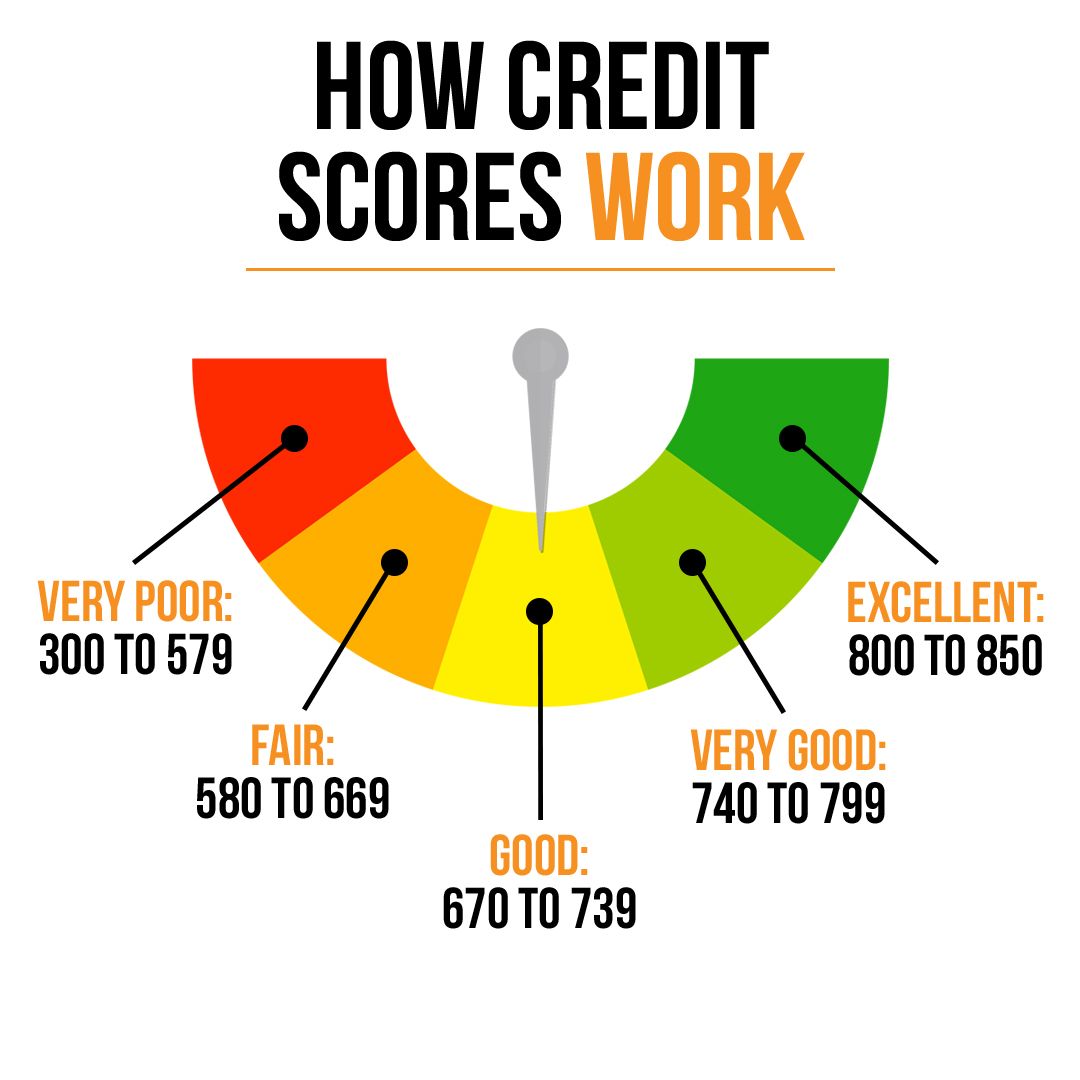
As you can see in the chart above, the goal for most Texas families should be to reach the "Good" range (670–739) as quickly as possible. Once you hit the "Very Good" or "Excellent" tiers, you start unlocking the lowest interest rates available, which can save you tens of thousands of dollars over the life of a mortgage or auto loan.
Understanding the "Credit Recipe"
Building credit isn't about luck; it’s about math. The FICO score, which is used by 90% of top lenders, is calculated using five main ingredients. Knowing these helps you focus your energy on what actually moves the needle.
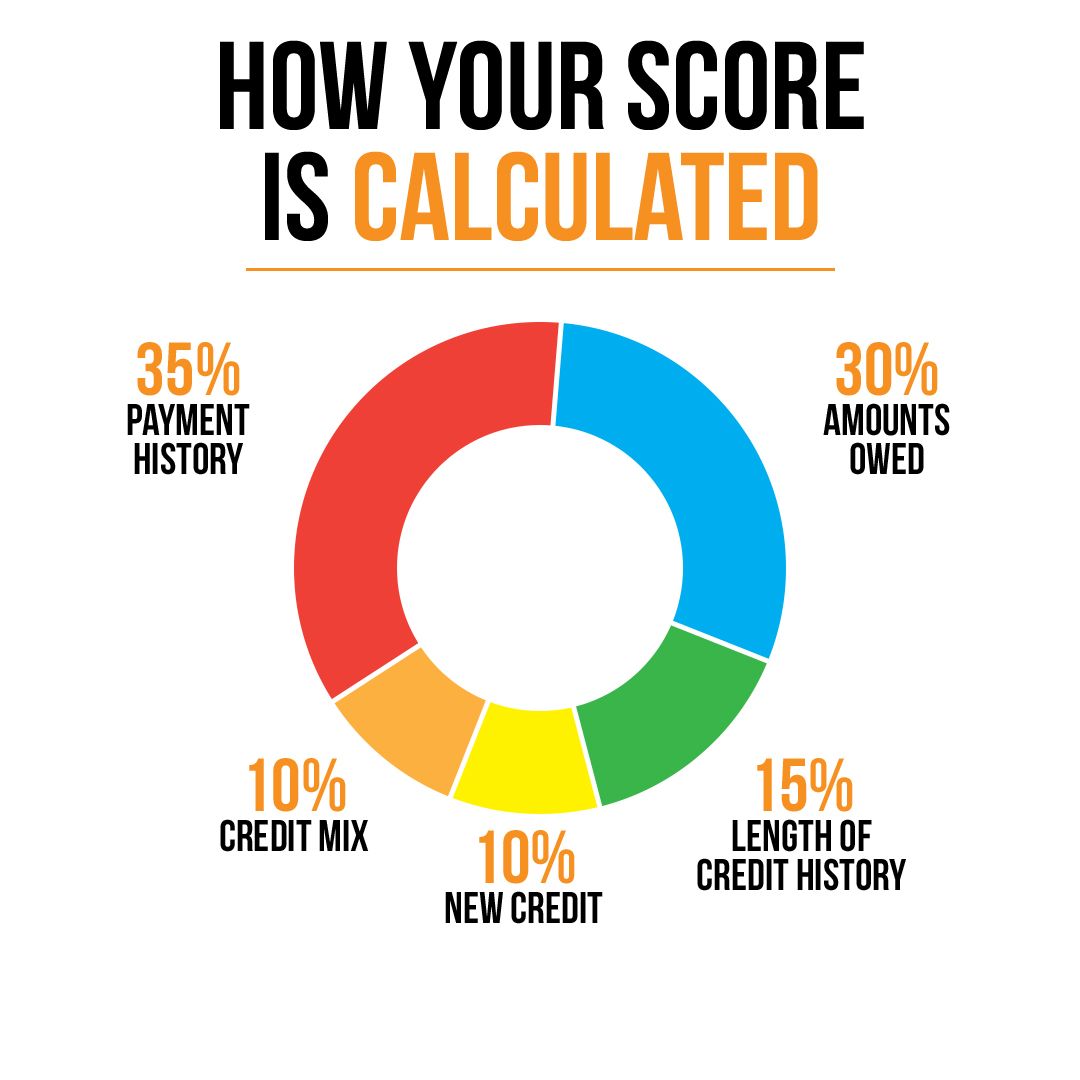
- Payment History (35%): This is the biggest slice of the pie. Do you pay your bills on time? Every single time?
- Amounts Owed (30%): Also known as credit utilization. This is the ratio of how much credit you’re using compared to your total limits.
- Length of Credit History (15%): How long have your accounts been open?
- Credit Mix (10%): Do you have a variety of accounts, like a credit card and a loan?
- New Credit (10%): How many new accounts have you applied for recently?
"Most people think credit is a mystery, but it's actually a very predictable system. If you understand the percentages, you can 'hack' your way to a better score much faster than you think." : William Avery, Owner of Texas Credit Trail
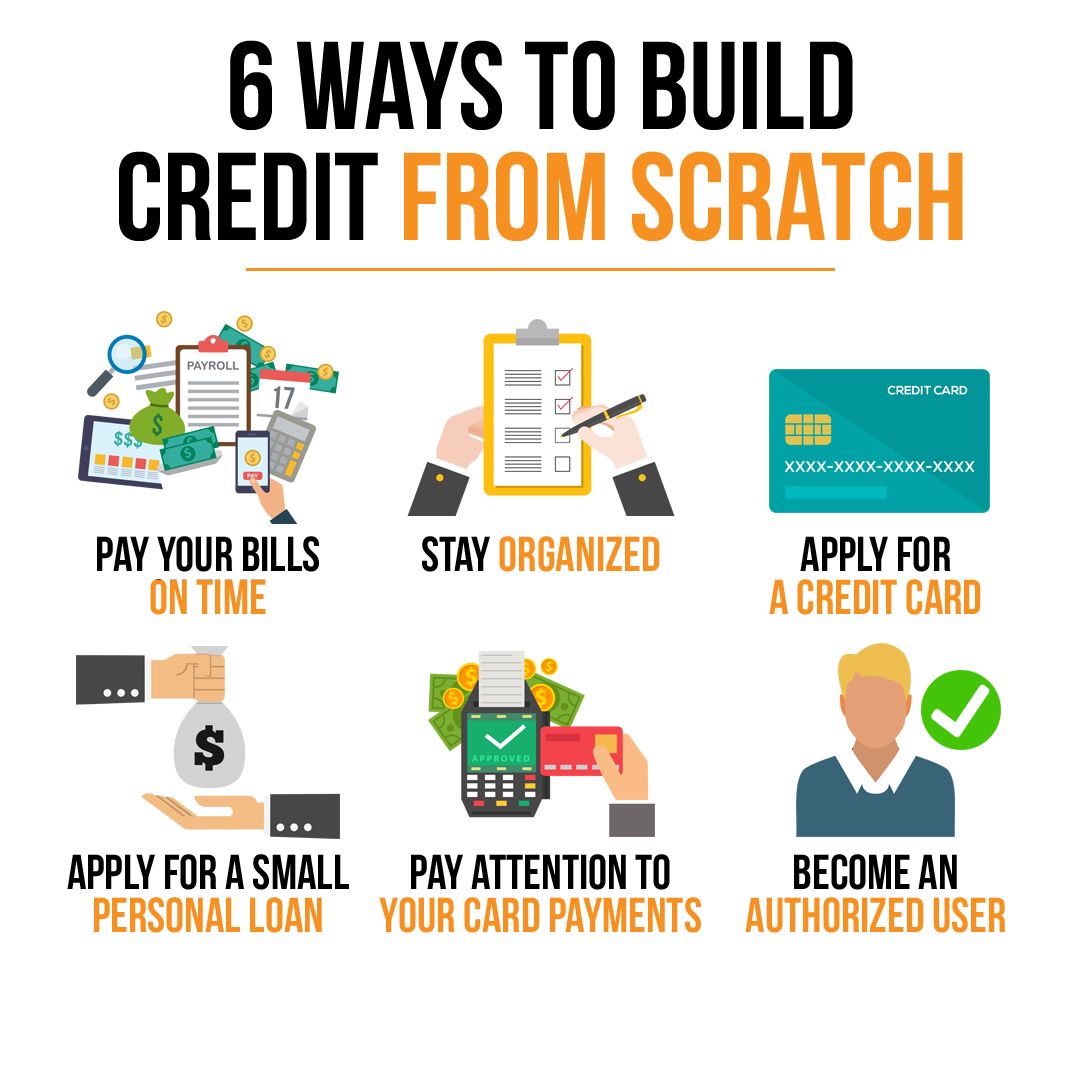
Step 1: The Secured Credit Card
If you have no credit, a traditional bank might turn you down for a standard credit card. This is where the secured credit card comes in. It is arguably the best tool for building credit from scratch.
With a secured card, you provide a cash deposit (usually $200–$500) to the bank. That deposit typically becomes your credit limit. Because the bank has your money as collateral, they are willing to take a chance on you. You use the card for small purchases, pay the bill in full every month, and the bank reports your activity to the credit bureaus.
After 6 to 12 months of responsible use, many lenders will "graduate" you to an unsecured card, return your deposit, and your credit score will be well on its way.
Step 2: Credit Builder Loans
Another fantastic option for Texas families is a credit builder loan. These are often found at local credit unions or through specialized online lenders.
Unlike a traditional loan where you get the money upfront, with a credit builder loan, the lender puts the "loaned" amount into a locked savings account. You make monthly payments over 6 to 24 months. Once the loan is paid off, the money (plus a little interest) is released to you.
The magic here is that the lender reports those monthly payments as on-time installment history. You’re essentially "forcing" yourself to save money while building the most important part of your credit score: your payment history. You can learn more about how these fit into a broader strategy on our education page.
Step 3: Becoming an Authorized User
If you have a family member with a long history of perfect credit card use, they might be able to help you "piggyback" onto their success. By adding you as an authorized user on their account, their history with that specific card may appear on your credit report.
This is a powerful way to jumpstart a score, but it comes with a warning: if the primary account holder misses a payment or maxes out the card, it could hurt your score too. Only do this with someone you trust implicitly.
The Secret Ingredient: Mastering Credit Utilization
Once you have your first card, the biggest mistake people make is using too much of the limit. If you have a $300 limit and you spend $250, your credit utilization is 83%. Even if you pay it off in full every month, that high percentage can actually lower your score.
To see the fastest growth, keep your utilization under 30%. For the "extra credit" version, keep it under 10%. On a $300 card, that means never letting your balance exceed $30 when the statement closes.
Common Pitfalls for Texas Beginners
When you’re starting out, your credit profile is "thin." This means one single mistake can have a massive negative impact.
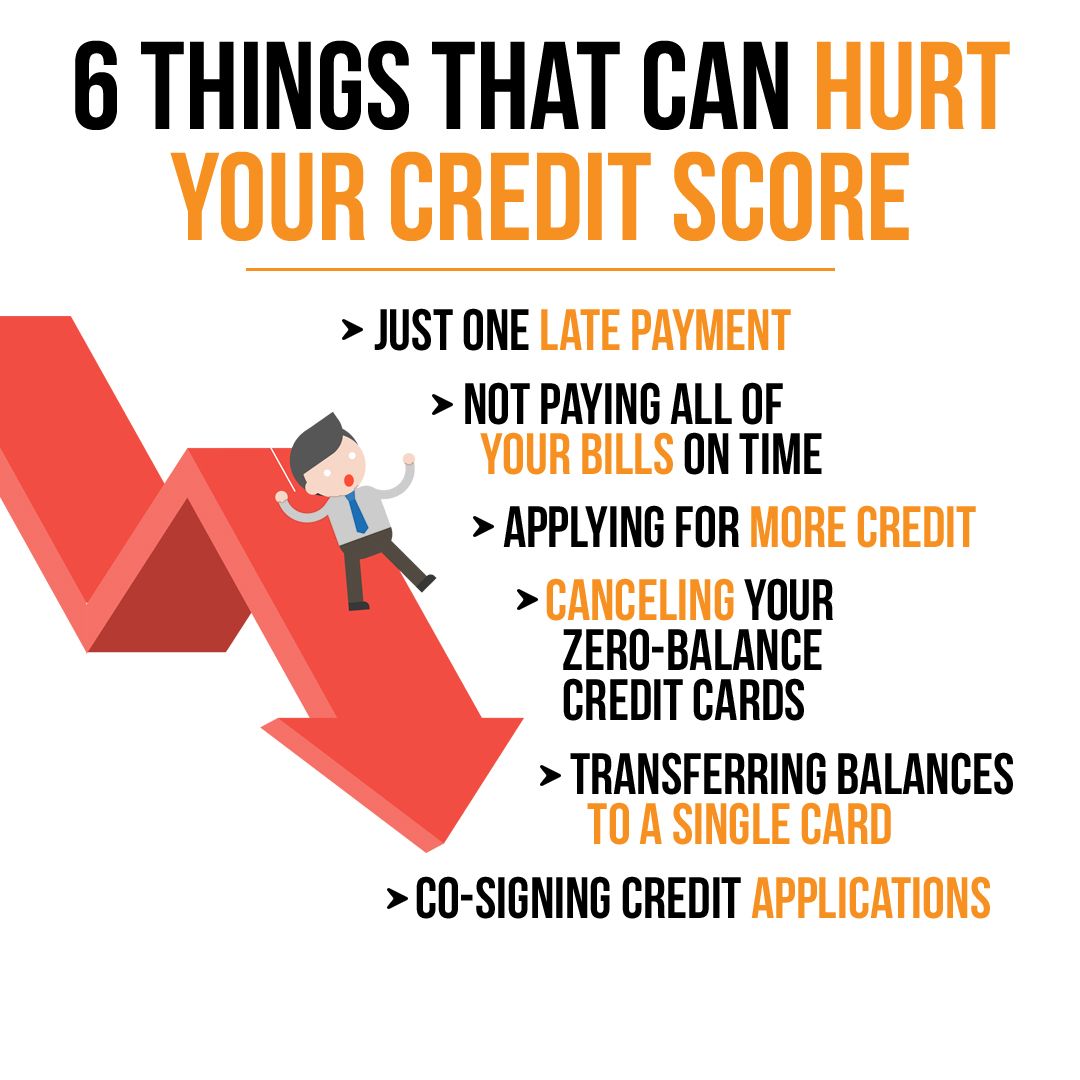
- Late Payments: Just one payment 30 days late can tank a brand-new score by 100 points or more.
- Applying for Too Much at Once: Every time you apply for credit, a "hard inquiry" hits your report. Too many of these in a short time makes you look desperate for cash to lenders.
- Co-signing for Others: We’re neighborly folks, but co-signing a loan for a friend can put your brand-new credit in jeopardy if they don't pay.
Why Professional Guidance Matters
Technically, you can do all of this on your own. You can research cards, apply for loans, and track your progress. But much like fixing a transmission or building a barn, having an expert by your side saves time and prevents costly mistakes.
At Texas Credit Trail, we don't just "fix" credit; we educate families. We help you navigate the nuances of the Fair Credit Reporting Act (FCRA) and ensure that as you build, your report remains accurate and optimized. Many people find that after they start building, old "zombie" debts or errors pop up that they didn't know existed. That’s where our services become invaluable.
"Building credit is like planting an oak tree. The best time to start was ten years ago; the second best time is today. We provide the water and the fertilizer to make sure that tree grows straight and strong." : William Avery, Owner of Texas Credit Trail
The Bottom Line for Your Family
Building credit from scratch isn't about spending money you don't have; it's about proving you are reliable. By starting with a secured card or a credit builder loan, keeping your utilization low, and never missing a payment, you are laying the bricks for a stable financial house.
If you’re ready to stop being "credit invisible" and start opening doors for your family, we’re here to help. Whether you need a full credit overhaul or just some professional advice on where to start, you can contact us today to begin your journey.
Don't let another year go by paying "bad credit prices" for your life. Take the first step on the Texas Credit Trail today. For more tips and resources, check out our ebooks or browse our latest offers to see how we can help you reach your goals faster.
Ready to Start Your Credit Journey?
Get personalized credit repair guidance from William Avery
Book Free Consultation