Credit 101: A Clear Lake Beginner’s Guide to Mastering Your Financial Future
Down here in the Clear Lake and Bay Area, we value a straight-shooting approach and a firm handshake. But in 2026, the financial world looks a little different than it did for our parents. Whether you’re looking to buy a home near the Space Center, eyeing a new truck for weekend hauls to Galveston, or just trying to get your footing as a young adult, there is one number that dictates your path: your credit score.
At Texas Credit Trail, we believe that financial literacy isn't just a "nice-to-have" skill, it’s the foundation of your family’s legacy. If you’ve ever felt like the credit system was a game designed for you to lose, you’re not alone. Most folks weren't taught how this works in school. This guide is here to change that. We’re going to walk the trail together, starting from the basics and moving into the advanced strategies we use every day to help Texas families win.
Credit Scores in 2026: What Texas Families Need to Know Right Now
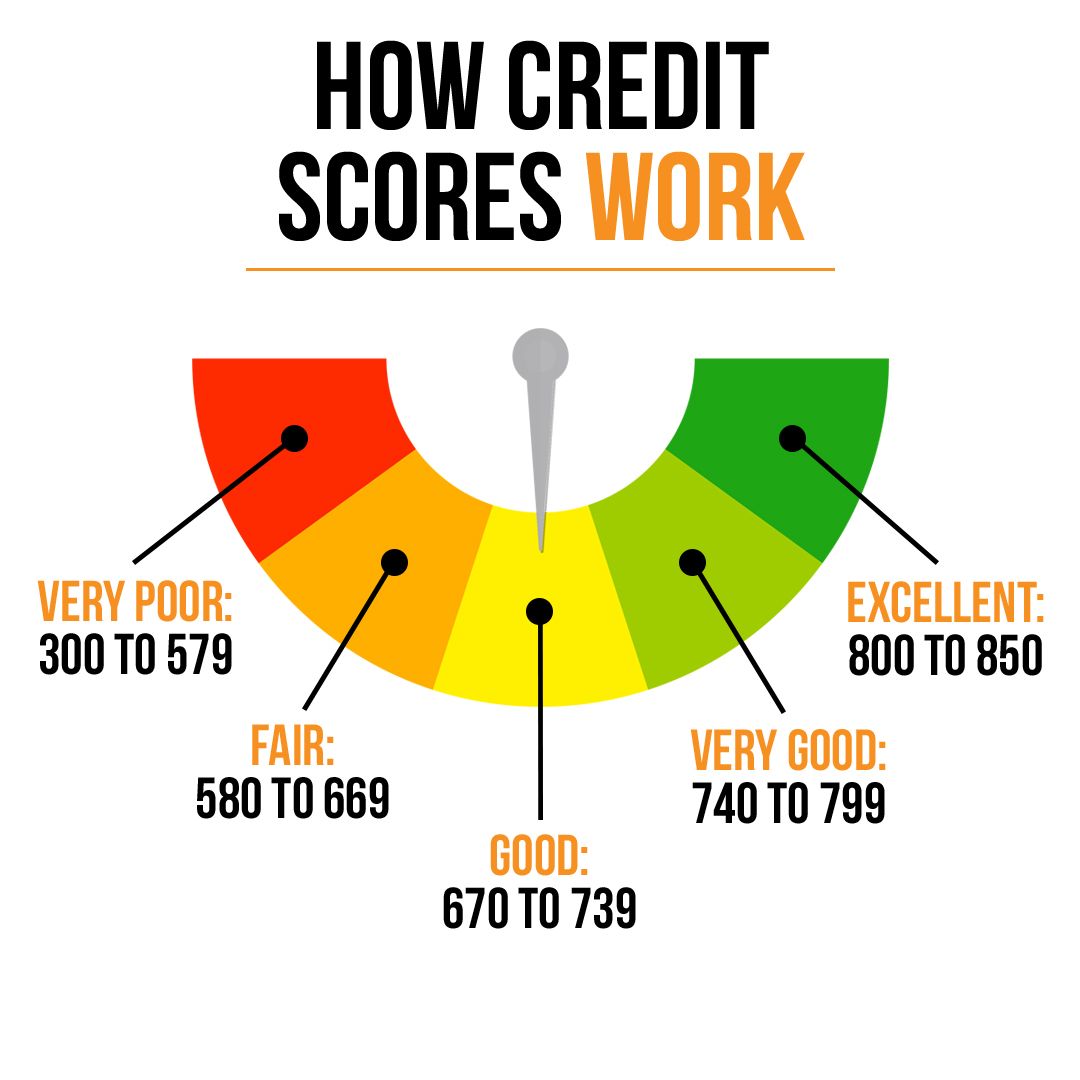
As of April 2026, the way lenders look at you has evolved. While the core principles remain, the speed at which data is reported and the sensitivity of algorithms have increased. A "good" score isn't just about bragging rights; it’s about the interest rates that determine how much of your hard-earned money stays in your pocket versus going to a bank.
For a typical Clear Lake family, a score below 600 can mean the difference between a 4% mortgage and an 8% mortgage. Over thirty years, that’s hundreds of thousands of dollars. We call that the "Credit Tax," and it’s a tax you can choose to stop paying.
"Education is the best weapon against high interest rates. When you understand the 'why' behind your score, you gain the power to change the 'how' of your lifestyle." , William Avery, Owner
How to Build Credit from Scratch in Texas: 5 Steps for the Next Generation
If you’re a recent graduate from Clear Lake High or just starting your first real job in the Bay Area, you might find yourself in a "catch-22": you can’t get credit because you don’t have a credit history. Here is the roadmap we teach our educational program students:
- Become an Authorized User: If a family member has a long-standing credit card with a perfect payment history, they can add you as an "authorized user." You don't even need to use the card; their positive history "ghostwrites" onto your report.
- The Secured Card Strategy: Unlike a traditional card, you provide a deposit (say $200) that acts as your limit. It’s a low-risk way for banks to see you can handle plastic.
- Credit-Builder Loans: These are essentially "reverse loans." You make payments into a locked savings account, and once the term is up, you get the cash back plus a reported history of on-time payments.
- Report Your Rent: Many Texans don't realize that your largest monthly expense, rent, usually isn't on your credit report. We help clients use services that report these payments to boost scores quickly.
- Keep It Simple: Don't apply for five cards at once. One or two well-managed accounts are better than a dozen messy ones.

The Formula: How Your Score is Actually Calculated
To master the trail, you have to know the map. Your FICO score isn't a mystery; it’s a math problem.
- 35% Payment History: This is the big one. One late payment can tank a score by 50 to 100 points.
- 30% Amounts Owed: Also known as utilization.
- 15% Length of Credit History: How long have your accounts been open?
- 10% New Credit: How many times have you applied for credit recently?
- 10% Credit Mix: Do you have a healthy blend of cards and installment loans?
Understanding this breakdown helps you prioritize your efforts. If you have a limited budget, focus on the top two categories first.

How Long Do Late Payments Stay on Your Credit Report? (And How to Remove Them)
We hear this question every week in our contact office. The standard answer is seven years. That’s a long time to pay the "Credit Tax" for a mistake you made years ago.
However, the "seven-year rule" isn't a life sentence. Under the Fair Credit Reporting Act (FCRA), every item on your report must be 100% accurate, timely, and verifiable. If a lender can’t prove the late payment occurred with proper documentation, or if they’ve reported the date incorrectly, that item must be removed.
This is where DIY often fails. Most folks send a "please have mercy" letter. We use the law. By challenging the validity of the data, we’ve seen late payments vanish in months, not years.
Credit Utilization Ratio Explained: The Simple Trick to Improve Your Score
If you want the fastest "win" in the credit game, look at your utilization. This is the ratio of your credit card balances to your credit limits. If you have a $1,000 limit and a $900 balance, your utilization is 90%. That signals to lenders that you’re "maxed out" and risky.
The Pro Tip: Keep your utilization under 30%, but for the highest scores, aim for under 10%.
Here’s the trick: Pay your bill before the statement closing date, not just before the due date. The balance on your statement is what gets reported to the bureaus. If you pay it off early, the bureau sees a $0 balance, even if you spent $1,000 that month.

Remove Collections from Your Credit Report: 7 Mistakes Texans Make (And How to Fix Them)
Collections are the "potholes" of the Texas Credit Trail. They’re aggressive, confusing, and damaging. Here are the most common mistakes we see:
- Paying it immediately: Paying a collection doesn't automatically remove it; it just turns it into a "paid collection," which still hurts your score.
- Admitting the debt: When you talk to a collector on the phone, anything you say can "restart the clock" on the statute of limitations.
- Ignoring the mail: Federal law gives you a window to dispute a debt. Don't throw those letters away.
- Not asking for "Pay for Delete": If you do decide to pay, get it in writing that they will remove the entry from your report upon payment.
- Falling for "Scams": If a company promises to "wipe your credit clean in 24 hours," walk away. Real credit repair takes strategy and time.
- Forgetting about "Validation": Make them prove they actually own the debt. Frequently, debt buyers don't have the paperwork.
- Going it alone without a plan: You wouldn't perform surgery on yourself. Don't try to navigate complex federal laws without a guide.

Why "Neighborly" Help Matters
You can find a thousand "credit gurus" online, but they don't know the Clear Lake area. They don't know the local lenders or the specific challenges Texas families face. At Texas Credit Trail, we aren't just a faceless website. We are your neighbors.
We’ve helped families get out of apartments and into their first homes. We’ve helped parents fix their credit so they could co-sign for their child’s first car. We focus on education first because we want you to stay "credit healthy" long after our job is done. You can check out our about page to see our track record.
The hard truth is that while you can do this yourself, most people don't have the 40+ hours a month required to track disputes, follow up with bureaus, and research the latest consumer protection laws. Your time is better spent with your family or at your job.
Ready to Blaze Your Trail?
Credit isn't about a number; it’s about freedom. It’s about having the "Yes" from a lender when you need it most. It’s about the peace of mind that comes from knowing your financial house is in order.
If you’re tired of being denied, tired of high interest rates, or just ready to start your journey on the right foot, let’s talk. No judgment, no confusing jargon: just a clear path forward.
Start Your Credit Journey Today:
Click here to book your consultation and take the first step toward your financial future.
Ready to Start Your Credit Journey?
Get personalized credit repair guidance from William Avery
Book Free Consultation