How to Build Credit from Scratch: An Easy Guide for the Next Generation of Texans
Starting your financial journey in the Lone Star State can feel a bit like staring at a vast, open horizon without a map. If you’re a young Texan just hitting 18, or a parent trying to help your kid get a head start, you’ve probably realized pretty quickly that "credit" is the gatekeeper to almost everything.
Want to rent your first apartment in Austin or Dallas? They’re going to check your credit. Thinking about buying that first truck? Your interest rate: and whether you even get the loan: depends on those three little digits. At Texas Credit Trail, we talk to families every day who are frustrated because they have "no credit history." It’s the classic "chicken and egg" problem: you can’t get credit without a history, but you can’t build a history without credit.
I’m William Avery, and I’ve spent years helping Texans navigate this trail. Building credit from scratch isn't a mystery reserved for Wall Street; it’s a skill you can learn right here at home. Let’s break down exactly how the next generation of Texans can build a rock-solid financial foundation from the ground up.
Understanding the Scoreboard: What is a "Good" Credit Score?
Before you start building, you need to know what you’re aiming for. Your credit score is essentially a grade that tells lenders how likely you are to pay them back. In the U.S., the most common scoring model is FICO, which ranges from 300 to 850.
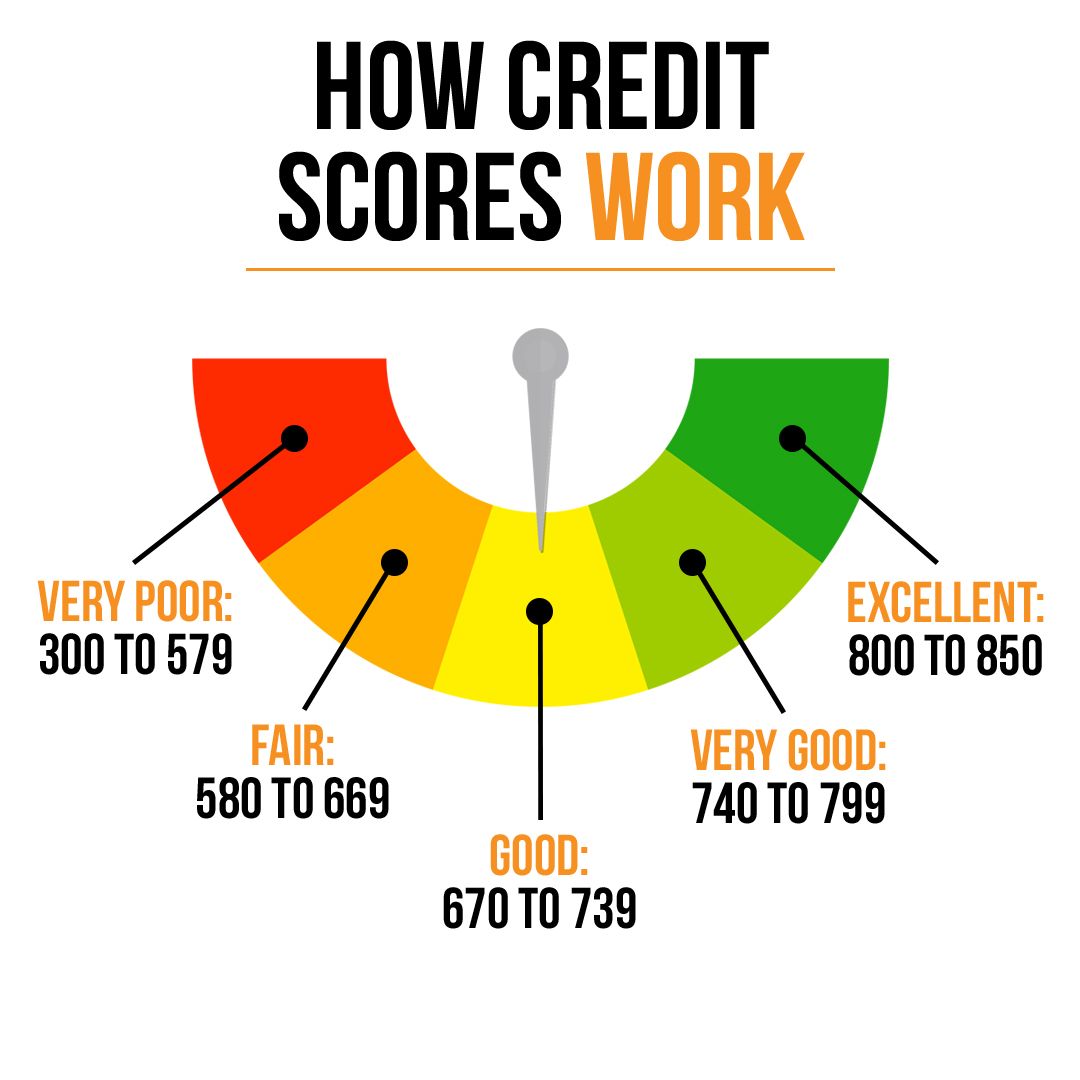
When you’re starting from scratch, you have what we call a "thin file." You don’t have a bad score; you just don’t have enough data for a score to exist yet. Your goal is to move into the "Good" range (670–739) as quickly as possible. Having "Excellent" credit (800+) is the ultimate goal, as it unlocks the lowest interest rates and the best perks, saving you thousands of dollars over your lifetime.
"A credit score isn't just a number; it’s your financial reputation. In Texas, a strong reputation opens doors, whether you’re looking for a home, a car, or even a better insurance rate. Starting early is the best gift you can give your future self." : William Avery, Owner of Texas Credit Trail
Step 1: Use What You’re Already Paying For
One of the best "insider secrets" for building credit from scratch is leveraging bills you’re already paying. Traditionally, your phone bill, your Netflix subscription, and your utilities didn't help your credit score. They only hurt you if you didn't pay them and they went to collections.
Today, services like Experian Boost allow you to link your bank account and give you "credit" for on-time utility and streaming service payments. While this mostly affects your Experian score, it’s a fantastic way to add positive data points to a thin file instantly. You can learn more about these foundational steps on our education page.
Step 2: The Secured Credit Card Strategy
For most young adults, a standard "unsecured" credit card might be hard to get because there’s no history to prove you’re responsible. Enter the Secured Credit Card.
Think of a secured card as a training-wheels version of a credit card. Here’s how it works:
- You provide a cash deposit (usually $200–$500).
- That deposit stays in a locked account and serves as your credit limit.
- You use the card for small, regular purchases (like gas or groceries).
- You pay the bill in full every month.
The bank reports your on-time payments to the credit bureaus. After 6 to 12 months of responsible use, most banks will "graduate" you to an unsecured card and give your deposit back. It’s one of the most effective ways to build credit from scratch because the barrier to entry is very low.
Step 3: Credit Builder Loans
If you want to build credit while also building a small savings nest egg, a Credit Builder Loan is a uniquely Texas-friendly option. Many local credit unions offer these specifically for people starting out.
Unlike a normal loan where you get the money upfront, with a credit builder loan, the lender puts the "loaned" money into a locked savings account. You make monthly payments over a set term (usually 6 to 24 months). Once the loan is paid off, the bank releases the money to you, plus any interest earned. Throughout the process, they report your steady payments to the credit bureaus. It’s a win-win: you end up with a better credit score and a few hundred dollars in savings.
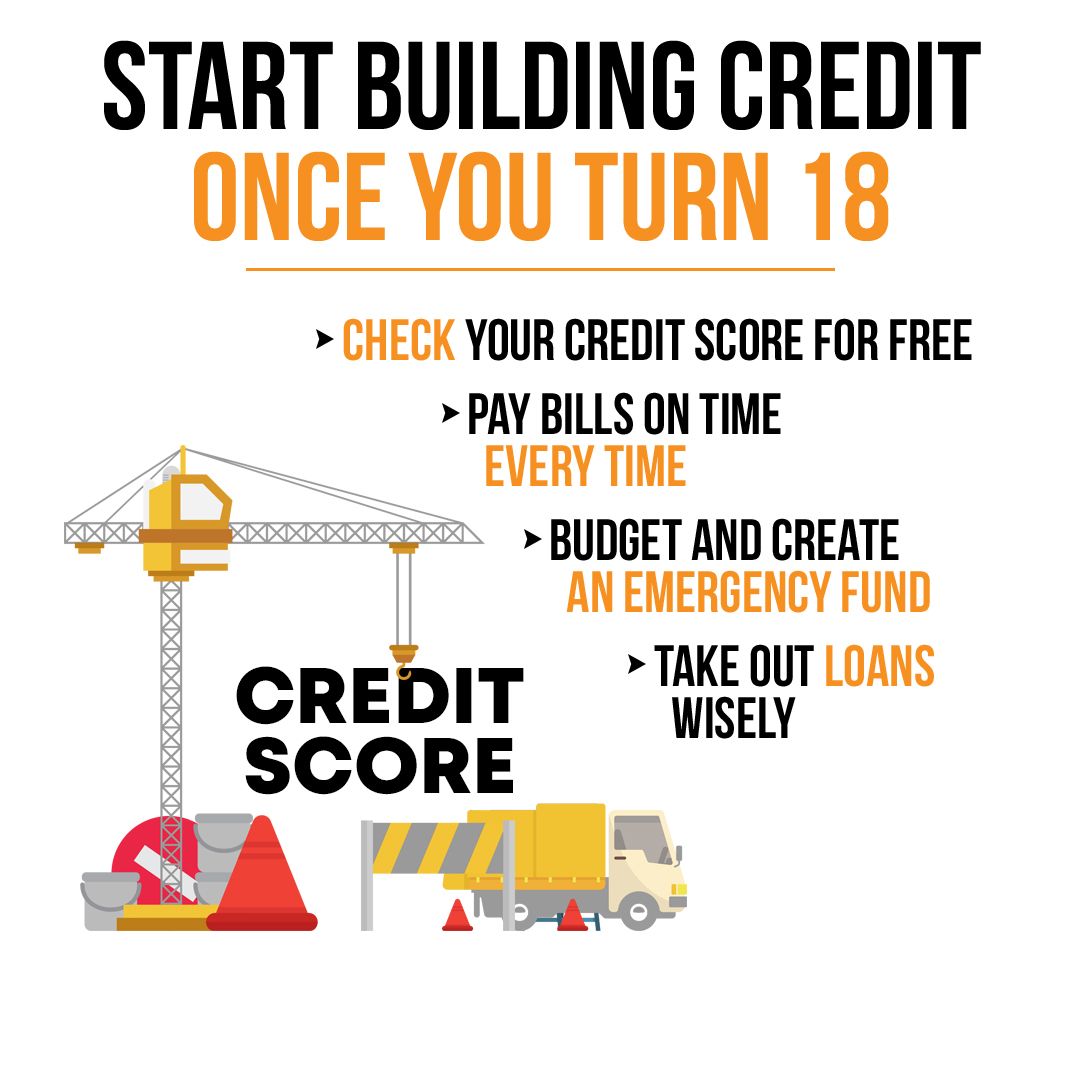
Step 4: Become an Authorized User
This is a popular option for Texas families. If a parent or relative has a long-standing credit card account with a perfect payment history and a low balance, they can add you as an Authorized User.
When this happens, that account’s entire history often shows up on your credit report. It can give a massive "jumpstart" to a thin file. However, a word of caution: if the primary cardholder misses a payment or maxes out the card, that negative info could show up on your report, too. Only do this with someone you trust implicitly.
The Secret Sauce: Understanding the Factors
Building credit is about more than just opening accounts; it’s about managing them correctly. If you don't understand the "why" behind the numbers, it’s easy to make a mistake that sets you back months.
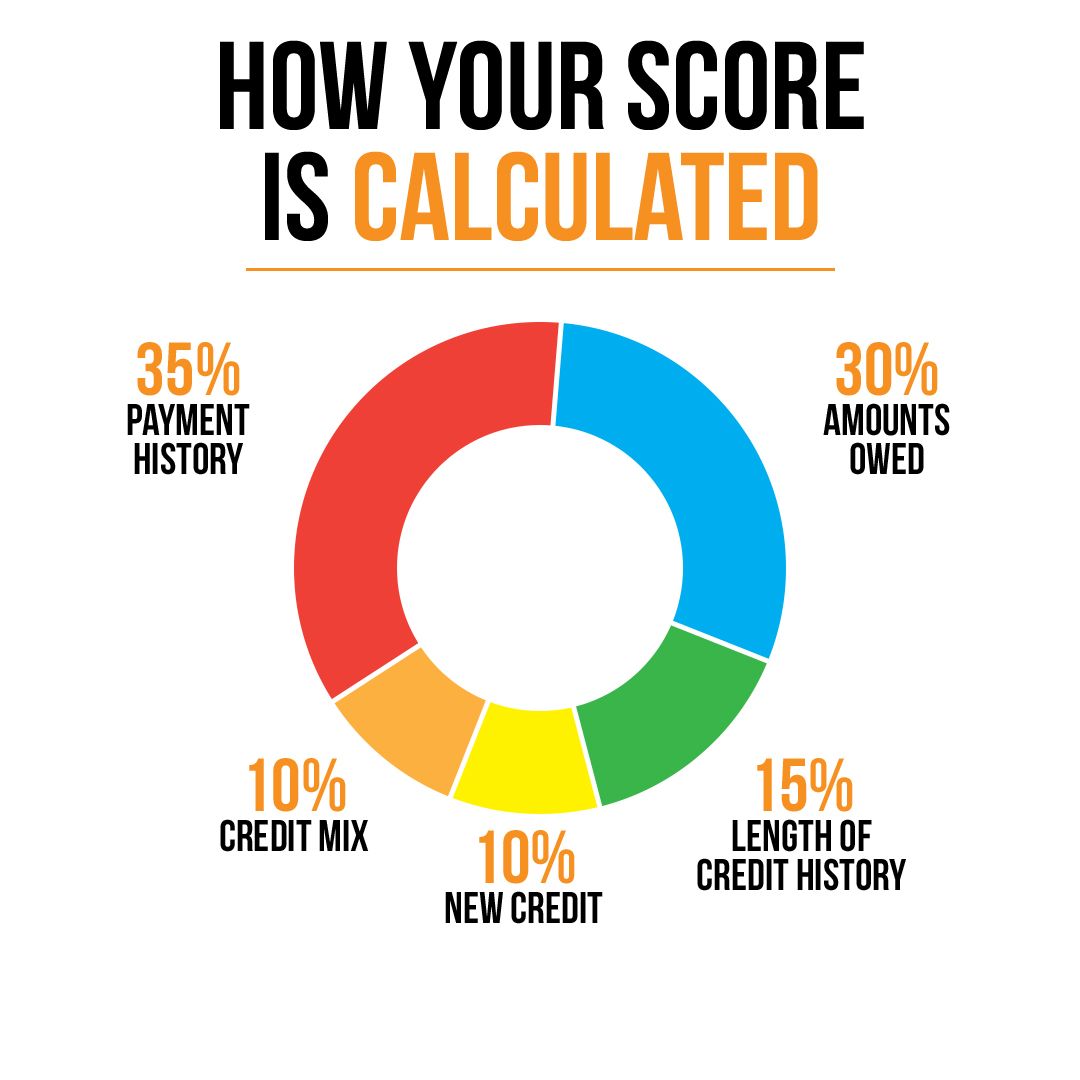
As you can see from the breakdown, two factors carry the most weight:
1. Payment History (35%)
This is the big one. One late payment (30 days or more) can tank a score by 100 points or more. In the world of credit, "on-time" means on-time. Set up autopay for at least the minimum amount so you never miss a deadline.
2. Credit Utilization (30%)
This is a concept many people struggle with. Credit utilization is the percentage of your total available credit that you’re actually using. If you have a secured card with a $300 limit and you carry a $290 balance, your utilization is nearly 100%. This looks "risky" to lenders.
- The Rule of Thumb: Keep your balance under 30% ($90 on a $300 card).
- The "Pro" Tip: Keep it under 10% for the best possible score growth.
The Reality Check: Why DIY Isn't Always Enough
Technically, anyone can follow these steps and see progress. But the "Hard Truth" is that the credit system is designed to be complex. Mistakes happen: sometimes you apply for too many cards at once (which hurts your score via "hard inquiries"), or perhaps an old medical bill from a high school sports injury pops up and halts your progress.
While building from scratch is straightforward, fixing errors or optimizing a score for a major purchase like a home requires a level of expertise that most people don't have time to master. That’s where professional guidance comes in. We offer specialized services to help families navigate the more complex parts of the credit journey, ensuring you don't waste years making "beginner" mistakes.
The Comparison: DIY vs. Guided Credit Building
| Feature | DIY Approach | Texas Credit Trail Guided |
|---|---|---|
| Speed | 12-24 months for significant movement | Often 3-6 months for optimization |
| Knowledge | Trial and error | Expert strategies used by insiders |
| Error Correction | Hard to navigate bureau disputes | Professional handling of inaccuracies |
| Cost | Free (but potential for costly errors) | Small investment for long-term savings |
| Stress Level | High (constantly checking and guessing) | Low (we handle the heavy lifting) |
Bottom Line for Texas Families
Building credit is a marathon, not a sprint. If you start today by opening a secured card or a credit builder loan, you are setting yourself up for a future where you aren't held back by your financial "reputation."
If you’re a parent, consider these steps for your children as soon as they turn 18. It is much easier to build a clean slate than it is to fix a damaged one later. If you find yourself stuck or if you've already hit some bumps in the road, don't hesitate to contact us. We’re proud to be a Texas-based company helping our neighbors achieve the American Dream.
Ready to take the next step? Check out our offers to see how we can help you accelerate your journey, or dive deeper into the world of finance with our free ebooks. The trail to better credit starts here.
Texas Credit Trail is a Credit Repair and Financial Services company. We believe in education first and results that last. For more information on our mission, visit our About Us page.
Ready to Start Your Credit Journey?
Get personalized credit repair guidance from William Avery
Book Free Consultation