How to Build Credit from Scratch in Texas: 5 Easy Steps for the Next Generation
If you’re a young adult in the Clear Lake area or a parent helping your teenager navigate their first steps into adulthood, you’ve likely hit the "Credit Catch-22." You can’t get a loan because you don’t have a credit score, and you don’t have a credit score because you’ve never had a loan.
It’s a frustrating cycle that leaves many Texans "credit invisible." Without a score, that first apartment in Houston or a reliable truck for work becomes much harder: and more expensive: to get. At Texas Credit Trail, we believe the next generation shouldn't have to wander in the dark. Building credit isn't a mystery; it’s a process.
This guide is specifically for the "Next Gen" Texans: those 18 to 24 years old: who have no credit history at all. If you already have a 700 score or you’re dealing with deep collections, this isn't the post for you. But if your credit report is a blank slate, here is exactly how you build a rock-solid foundation from scratch.
Step 1: Get on the Credit Radar (The "Thin File" Fix)
Before you can build a score, the three major credit bureaus (Equifax, Experian, and TransUnion) need to know you exist. Most young adults have what we call a "thin file."
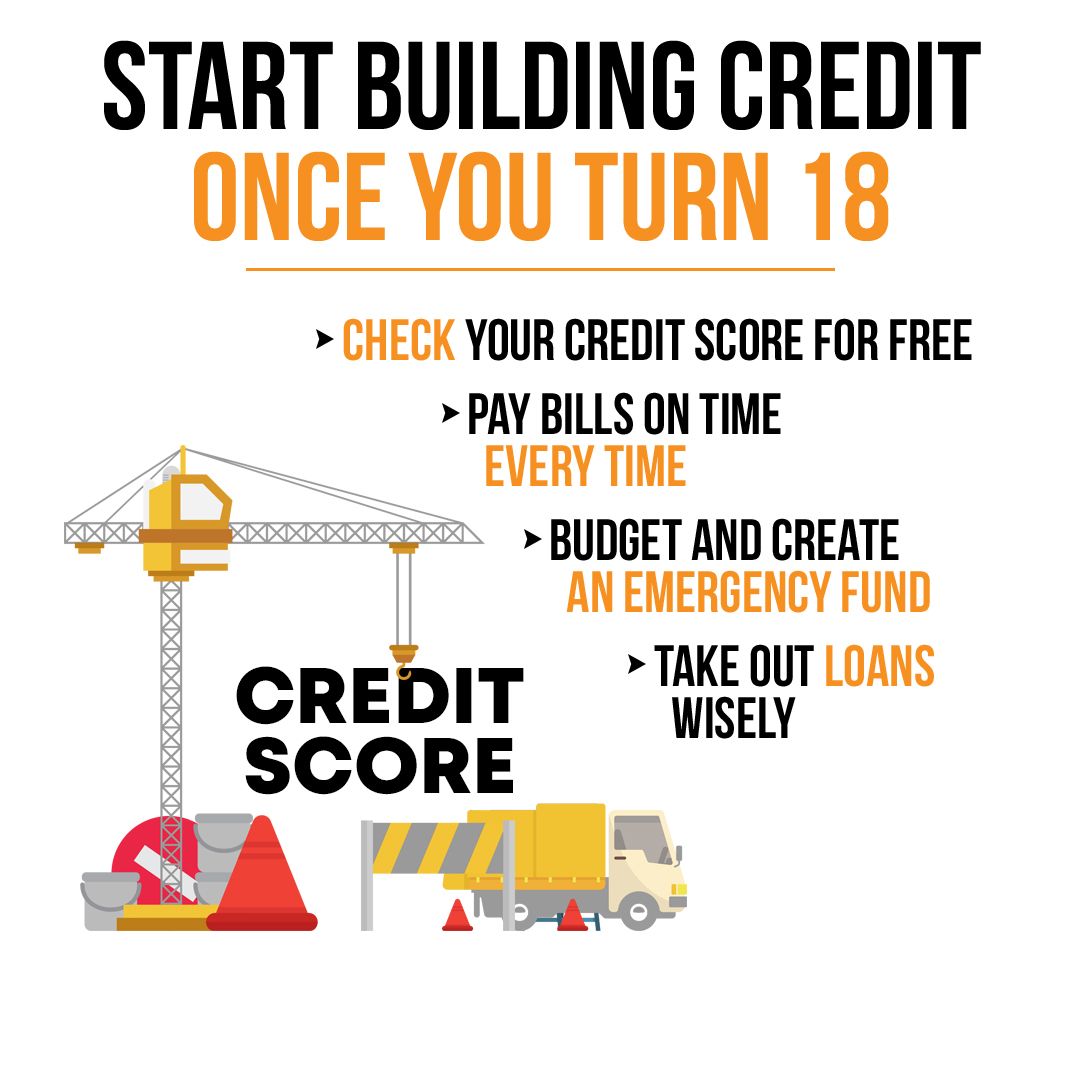
The first thing you should do is check if you already have a file. You can do this for free at AnnualCreditReport.com. If nothing comes up, don't panic. That’s actually a better starting point than having a report full of mistakes.
Start with what you already pay
Did you know your phone bill or rent could help build your score? In 2026, we have tools that didn't exist a decade ago.
- Experian Boost: This allows you to link your bank account to your credit file so that your on-time utility and cell phone payments count toward your score.
- Rent Reporting: If you're renting an apartment in the Bay Area, ask your landlord if they use services like RentTrack or LevelCredit. These services report your monthly rent payments to the bureaus.
"Most people think credit starts with a credit card, but in Texas, we teach that it starts with proving you’re a responsible neighbor. If you’re already paying for your phone and your roof, let’s make sure you’re getting the 'points' for it." : William Avery, Owner of Texas Credit Trail
Step 2: Open Your First "Starter" Account
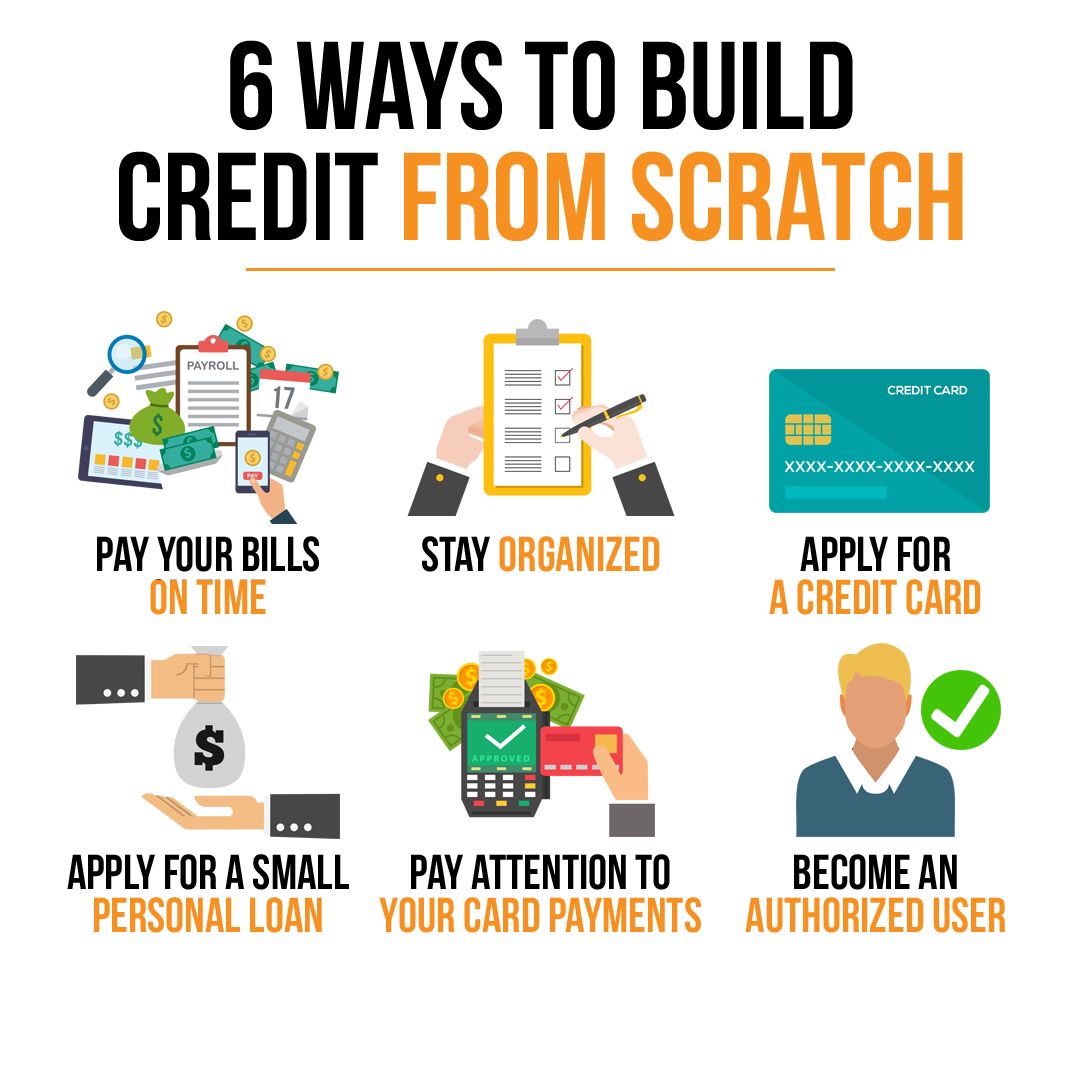
Once the bureaus know you exist, you need a "tradeline": a formal account that reports your payment history every month. For the Next Generation, there are two primary ways to do this without a high income or existing credit.
The Secured Credit Card
This is the gold standard for beginners. You provide a cash deposit (usually $200–$500) to a bank or credit union. That deposit becomes your credit limit. If you don't pay the bill, they take it from the deposit. Because there is zero risk to the bank, they are much more likely to approve you.
In Texas, we recommend looking at local institutions like PrimeWay Federal Credit Union or Texas Bay Credit Union. They often have "Fresh Start" programs designed exactly for this purpose.
The Credit-Builder Loan
Think of this as a "forced savings account" that builds credit. You "borrow" a small amount, say $1,000, but the bank holds it in a locked account while you make monthly payments. Once the loan is paid off, the bank releases the $1,000 to you. You’ve built a savings nest egg and a perfect payment history at the same time.
Explore our educational guides to learn more about credit products.
Step 3: Master the Math (30% is the Magic Number)
Opening the account is only half the battle. How you use it determines whether your score climbs or stays stuck in the mud. To build credit quickly, you must understand how the score is calculated.
The two biggest factors are:
- Payment History (35%): One late payment can tank a new score. Set your accounts to Autopay for at least the minimum balance immediately.
- Credit Utilization (30%): This is the "secret sauce." If your credit card limit is $300, and you spend $250, your score will drop: even if you pay it off every month.
The Texas Credit Trail Rule: 10% for Growth
While the industry says to keep your balance under 30%, we teach our clients to keep it under 10%. If you have a $300 limit, never let the balance shown on your statement exceed $30. Use the card for one tank of gas or a grocery trip, then pay it off.

Step 4: Add "Mix" and "History" (The Long Game)
Once you’ve managed one account for six months, it’s time to add variety. A high credit score doesn't just come from one card; it comes from showing you can handle different types of debt.
Become an Authorized User
If you have a parent or family member with a long history of perfect credit and low balances, they can add you as an "Authorized User" on their oldest credit card. You don't even need to hold the physical card. Their years of good history will "piggyback" onto your report, potentially jumping your score significantly in just 30 to 60 days.
Add an Installment Loan
If you started with a credit card (revolving credit), consider adding a small installment loan (like a credit-builder loan mentioned in Step 2). Having both types of credit proves to lenders that you aren't a "one-trick pony."
"Don't rush the process. Credit is a marathon, not a sprint. We see too many young folks apply for five cards in their first year and get denied for all of them because they look desperate. Patience pays dividends in the credit world." : William Avery

Step 5: Protect Your Trail from Hard Inquiries
Every time you apply for credit, a "Hard Inquiry" is placed on your report. For a new credit file, too many inquiries are a red flag. It tells lenders you might be in financial trouble.
The Reality Check:
- Avoid "Store" Cards: Don't get sucked into the 10% discount at the mall in exchange for a credit card application. These cards often have low limits and high interest rates that can hurt your utilization ratio.
- Shop in Windows: If you are shopping for a car loan, do all your applications within a 14-day window. The bureaus will often count these as a single inquiry because they recognize you are "rate shopping."
The Hard Truth About DIY Credit Building
While the steps above are technically something anyone can do, the road is full of potholes. One wrong move: a missed payment notification that didn't go to your email, or an identity thief opening an account in your name: can set you back years before you even get started.
Most young Texans wait until they need credit to start building it. By then, it’s often too late to get the house or car they want. Building credit from scratch takes 6 to 12 months of consistent, perfect behavior.
If you’re feeling overwhelmed or you want to make sure you’re doing this right the first time, don't leave it to chance. At Texas Credit Trail, we’ve helped families across the state turn "no credit" into "great credit" through education and strategic planning.

Ready to Start the Right Way?
Don't let your financial future be a guessing game. Whether you're a parent wanting to set your child up for success or a young professional ready to take control of your numbers, we’re here to guide you.
Building a credit score is the first step toward true financial freedom. Let's make sure your trail is clear and your foundation is strong.
Start Your Credit Journey Today – Book Your Consultation
Texas Credit Trail is a licensed and bonded credit services organization. We believe in education first. For more resources, visit our Education Center or check out our latest news.
Ready to Start Your Credit Journey?
Get personalized credit repair guidance from William Avery
Book Free Consultation