7 Mistakes Texans Make When Trying to Fix Credit (and How to Actually Improve Your Score)

Look, we've all been there. You check your credit score, see a number that makes you wince, and think "I'll just fix this myself." And hey, that determination is admirable: it's very Texan of you. But here's the thing: wanting to improve your credit and actually knowing how to do it effectively are two different animals.
After working with hundreds of Texas families, I've seen the same credit mistakes pop up again and again. These aren't small oops moments: they're score-killing moves that can keep you stuck for years. The good news? Once you know what to avoid, you can actually start making progress.
Let's walk through the seven biggest credit mistakes I see Texans make, and more importantly, what you should do instead.
Mistake #1: Ignoring Late Payments Like They'll Just Go Away
Here's the hard truth: late payments can stay on your credit report for up to seven years from the date you missed that payment. And they're not just sitting there looking ugly: they're actively dragging down your score.
I get it. Life happens. Your truck needed repairs, the AC unit died in July (because of course it did), or medical bills piled up. But even one 30-day late payment can drop your credit score by 50-100 points depending on where you started.
What to do instead: Set up automatic payments for at least the minimum amount due. Every. Single. Time. If you've already got late payments on your report, don't panic: there are legitimate strategies to address them. Check out our guide on how to handle late payments for specific steps.

Mistake #2: Only Paying the Minimum Each Month
Look, credit card companies love when you make minimum payments. You know why? Because that $50 minimum payment on your $3,000 balance means you'll be paying them interest for years: potentially thousands of extra dollars.
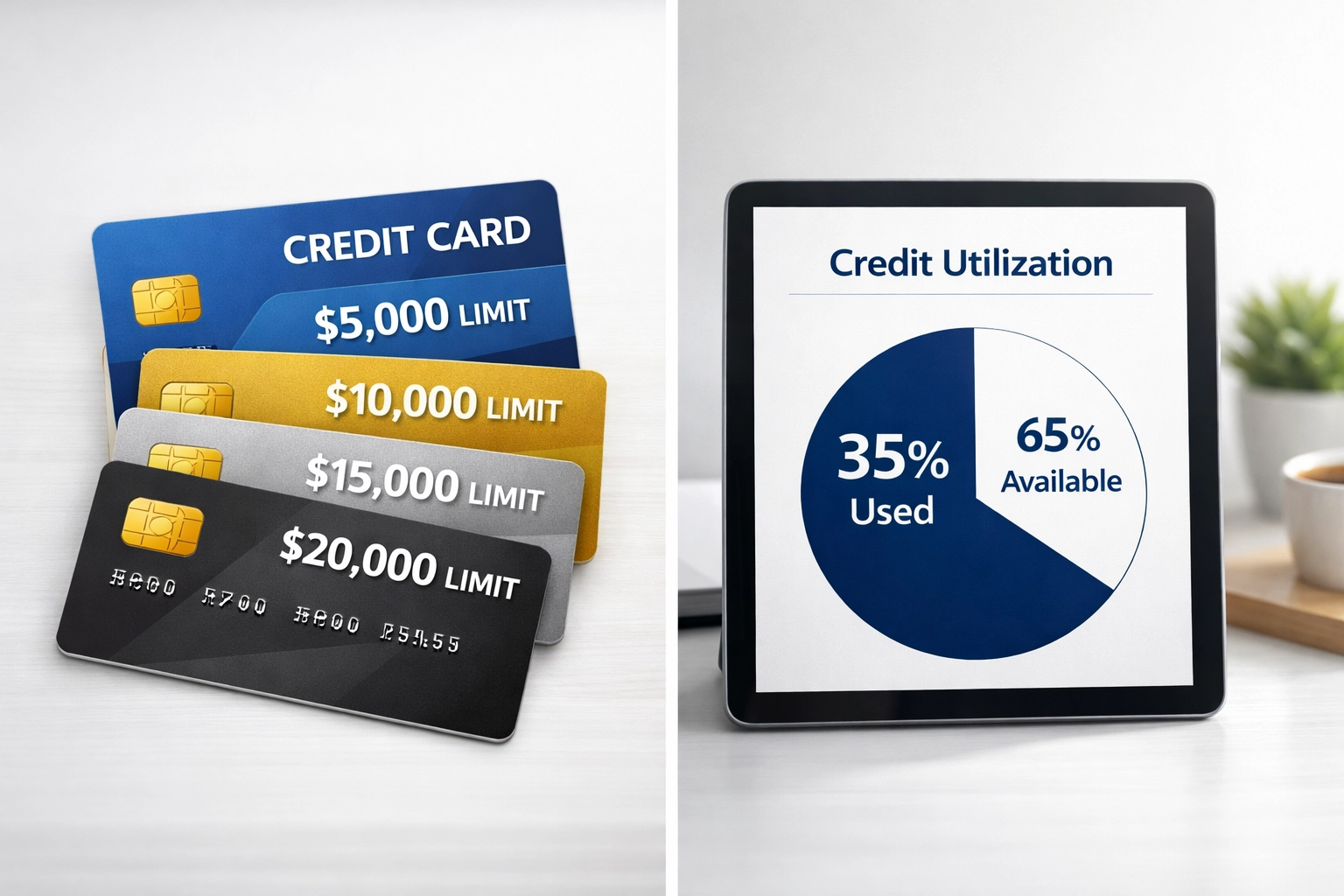
But here's what many folks don't realize: carrying high balances also hurts your credit utilization ratio, which makes up about 30% of your credit score. Even if you're making those minimum payments on time, maxed-out cards are signaling to lenders that you're financially stressed.
What to do instead: Pay as much as you possibly can above the minimum. Even an extra $25-50 per month makes a difference. Target your highest-interest cards first, and try to keep all your card balances below 30% of the limit: below 10% is even better.
Mistake #3: Maxing Out Credit Cards (Even If You Pay Them Off)
This one surprises people. "But I pay it off every month!" they'll say. That's great: you're avoiding interest charges. But here's the catch: if you're charging your cards to the limit before paying them off, your credit utilization still looks high when your statement closes.
Credit scoring models don't care that you pay it off eventually. They see the snapshot when the balance gets reported to the credit bureaus, which is usually your statement closing date.
What to do instead: Keep your credit utilization below 30% at all times. If you're using your card heavily for rewards or cash back, make multiple payments throughout the month before your statement closes. This keeps your reported balance low while you still rack up those points.

Mistake #4: Never Checking Your Credit Reports for Errors
Would you believe that studies show up to 20% of credit reports contain errors that could be hurting your score? We're talking incorrect late payments, accounts that aren't yours, wrong credit limits, or debts you've already paid showing as unpaid.
I've seen Texans lose out on lower mortgage rates, get denied for car loans, or pay higher insurance premiums: all because of errors they didn't know existed on their reports.
What to do instead: Review your credit reports from all three bureaus (Equifax, Experian, and TransUnion) at least once a year. You can get them free at AnnualCreditReport.com. Check your monthly credit card statements too. If you spot something fishy, dispute it immediately. The bureaus have 30 days to investigate.
Mistake #5: Falling for Those "Zero Interest!" Credit Card Offers Without Reading the Fine Print
Texas is full of optimists, and credit card companies know it. They dangle those 0% intro APR offers, and folks jump without understanding that these rates are temporary: usually 12-18 months max.
What happens after? That rate shoots up to 18%, 24%, or even 29.99%. If you haven't paid off that balance transfer or big purchase, you're suddenly drowning in interest charges you didn't budget for.
What to do instead: Before accepting any intro rate offer, find out exactly when it expires and what the regular APR will be. Set a reminder on your phone for two months before the promo ends. Make a plan to pay off the balance before that deadline, or at least understand what you're getting into.
Mistake #6: Not Shopping Around for Loans (Because "It'll Hurt My Credit")
Here's a credit myth that costs Texans thousands: thinking that applying for multiple loans or mortgages will tank your score. The truth? Credit scoring models are smarter than that.
When you're rate shopping for a car loan, mortgage, or student loan, multiple inquiries within a 14-45 day window (depending on the scoring model) typically count as just one inquiry. The system understands you're comparison shopping, not desperately applying for credit everywhere.
What to do instead: Absolutely shop around. Even a 0.5% difference in your mortgage interest rate can save you tens of thousands over the life of the loan. Get quotes from at least 3-5 lenders within a short timeframe. Your credit score will barely flinch, and your wallet will thank you.
Mistake #7: Trying to DIY Complex Credit Issues
This is the one I see most often. Someone has serious credit problems: collections, charge-offs, mixed files, identity theft issues: and they try to fix everything themselves using templates they found online.
Look, I'm all for DIY when it makes sense. But would you represent yourself in court? Probably not. Credit repair laws are complex. The Fair Credit Reporting Act, Fair Debt Collection Practices Act, and state-specific regulations create a legal framework that takes expertise to navigate effectively.
What to do instead: If your credit situation is straightforward: maybe you just need to pay down some balances and wait for time to pass: then DIY might work fine. But if you're dealing with errors you can't get removed, old debts in collections, or a credit report that looks like it went through a blender, professional help isn't just smart: it's cost-effective. The time and frustration you'll save, plus the potentially better results, often make it worth the investment.

The Bottom Line: Credit Improvement Takes Knowledge AND Action
Here's what this comes down to: improving your credit isn't about one big fix. It's about avoiding these common mistakes and building better habits over time.
You don't need to be perfect. You need to be consistent. Pay on time, keep balances low, check your reports regularly, and be strategic about new credit. Do those things, and you're already ahead of most people.
And if you're starting from scratch? We've got you covered there too. Check out our guide on building credit from zero for specific steps to establish your first strong score.
Remember, your credit score isn't just a number: it affects your mortgage rate, your car payment, even your insurance premiums. Every 20-point increase in your score can save you real money every month. For Texas families trying to build wealth and financial security, that matters.
If you're dealing with credit challenges that feel overwhelming, you don't have to figure it all out alone. At Texas Credit Trail, we help Texas families navigate the credit repair process with education, transparency, and proven strategies. Want to learn more about how we can help? Visit our services page or reach out to chat about your specific situation.
Your credit journey starts with that first smart decision. Make today that day.
Ready to Start Your Credit Journey?
Get personalized credit repair guidance from William Avery
Book Free Consultation