Collections Blocking Your Mortgage in Houston? A Step-by-Step Plan to Get Approved

You're shopping in Katy, maybe you’ve already found the one in Sugar Land or The Heights—and then underwriting hits the brakes because your credit report shows collections.
Here’s the paid-specialist truth: collections don’t always “auto-deny” a mortgage, but they do create underwriting conditions that stall approvals—especially on conventional and FHA files when the numbers don’t work cleanly. Collections can:
- push your DTI over the limit (even if you’re not paying them),
- trigger documentation conditions you weren’t prepared for,
- and raise a simple underwriter question: “Is this borrower financially stable right now?”
Who this is for (and who it’s NOT for)
This page is for you if:
- You’re an active Houston-area homebuyer (or under contract) and stuck in pre-approval/underwriting because of collections
- Your lender mentioned DTI, “5% calculation,” “payoffs,” or “letters of explanation”
- You want a clear, step-by-step plan to get your file clean for Houston underwriters—fast, documented, and defensible
This is NOT for you if:
- You want free DIY dispute templates and you’re not hiring help
- You’re not buying a home soon (no timeline = no urgency, different strategy)
- You’re looking for a “hack” to magically delete legitimate debt overnight
“Houston underwriters don’t need a perfect credit story—they need a clean, documented one they can approve.” — William Avery, Texas Credit Trail
Now let’s walk through how collections block approval and the exact plan to get you cleared.
PAIN: Why Collections Stall Houston Mortgage Approvals (What Underwriters Actually Do)
Collections aren’t all created equal—but underwriting is allergic to uncertainty. Here’s what typically happens on Houston mortgage files when collections show up:
Medical collections get better treatment. FHA, VA, and USDA loan programs often ignore medical collections entirely when calculating your qualification. They understand medical debt happens, and it's not necessarily a sign of financial irresponsibility. Conventional loans are stricter, but even they're softening on medical debt in 2026.
Non-medical collections over $2,000 hit your debt-to-income ratio (DTI). This is the killer most Houston buyers don't see coming. If you have a $3,000 collection from a credit card or old utility bill, the underwriter adds a 5% expected monthly payment to your DTI calculation: that's $150/month added to your obligations. It doesn't matter if you're not actually paying it. The lender assumes you will eventually, and that assumption can knock you out of approval range or reduce how much house you can afford.
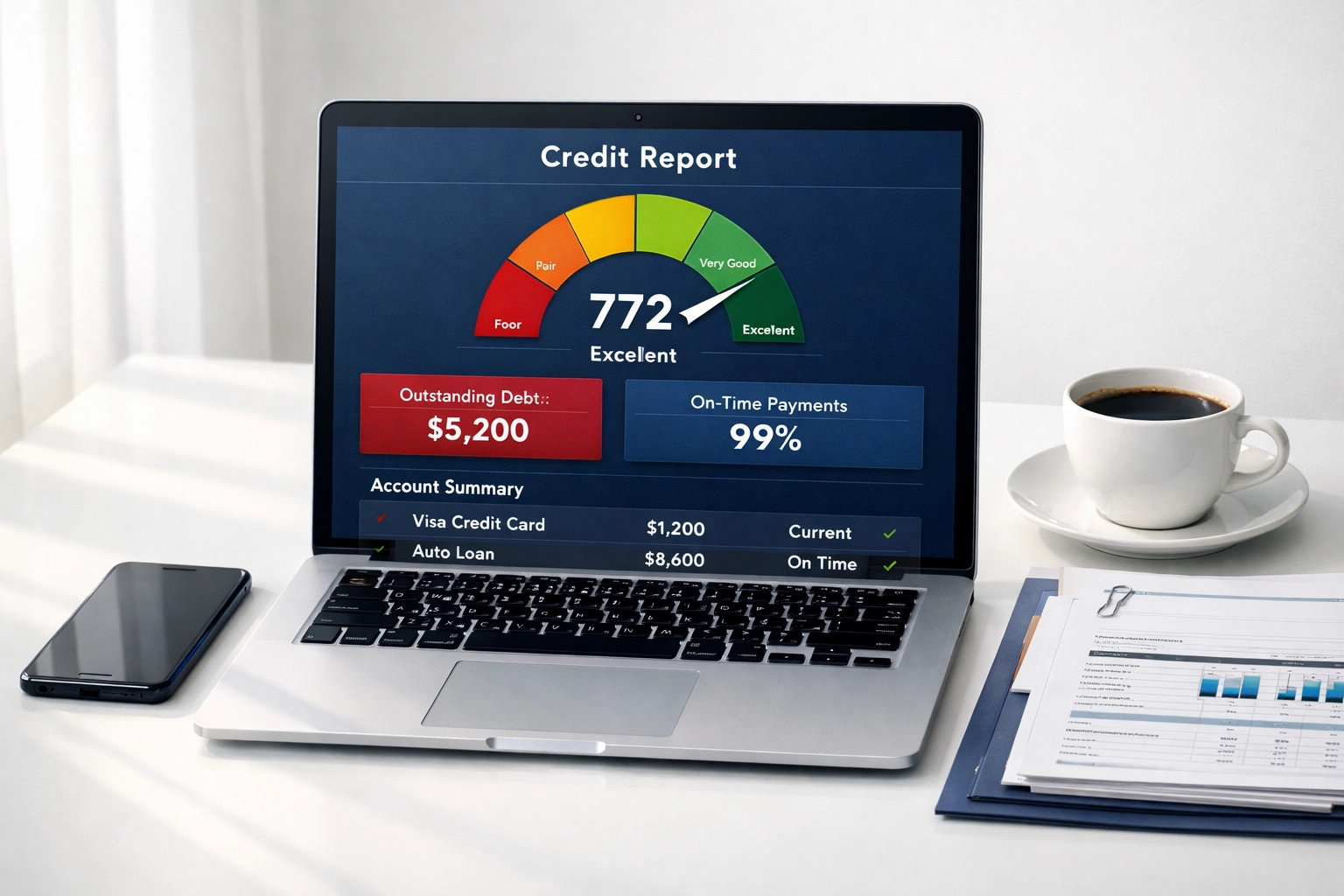
Recent collections hurt more than old ones. A collection from two years ago carries less weight than one from six months ago. Underwriters view recent collections as a sign of current financial instability. Older collections (especially those approaching the 7-year mark when they fall off your report) signal past issues that may be resolved.
Loan type matters: a lot. FHA loans are the most forgiving. They allow collections, and if you have less than $2,000 in total non-medical collections, they often won't even count them against your DTI. VA loans have similar flexibility for veterans. Conventional loans? They're tougher. You might still get approved, but expect a higher interest rate and stricter scrutiny.
AUTHORITY: The 3 Options Underwriters Accept (And When Each One Works)
When you’re close to buying, you don’t need internet opinions—you need a plan that matches (1) your loan type, (2) your DTI, and (3) the underwriter’s conditions.
In real underwriting terms, there are three workable paths: dispute (only when justified), negotiate (with the right paper trail), or pay (when required or when DTI is the issue).
Path 1: Dispute the Collection
When to use this: The collection is inaccurate, doesn't belong to you, or violates your rights under the Fair Credit Reporting Act (FCRA) or Fair Debt Collection Practices Act (FDCPA).
You have the right to dispute inaccurate information on your credit report. Send a dispute letter to the credit bureaus (Experian, Equifax, TransUnion) and request validation from the collection agency. If they can't verify the debt within 30 days, it must be removed.
The catch: Disputing takes time: 30 to 45 days minimum: and there's no guarantee it works. If you're trying to close on a house in 60 days, this path is risky unless the collection is clearly bogus. Also, underwriters can see dispute notations on your credit report, and some lenders won't approve a loan until disputes are resolved.
Path 2: Negotiate a Settlement
When to use this: You owe the debt but can't afford to pay in full, or you want to save money.
Contact the collection agency and negotiate. Many will accept 40-60% of the balance as a settlement. Get everything in writing before you pay a dime: specifically, a letter stating they'll accept your payment as "payment in full" and report the account as settled or paid.
The catch: Settled collections still show up on your credit report. They're better than unpaid collections, but underwriters will see them. Some lenders require you to pay collections in full before approval, especially for conventional loans. And if you settle, you might owe taxes on the forgiven portion (the IRS can treat forgiven debt as income).
Path 3: Pay It Off
When to use this: You need the cleanest possible approval, or the lender requires payment before closing.
Paying the collection doesn't erase it from your report, but it changes the status to "paid." That's a big credibility boost with underwriters. It shows you take responsibility and resolve obligations.
The catch: Your credit score might not improve immediately. Paid collections still count as negative marks. However, mortgage underwriters care more about paid vs. unpaid than your actual score. A 650 score with paid collections beats a 660 score with unpaid collections in underwriting eyes.

ACTION: The Houston Underwriting Game Plan (Step-by-Step to Get Cleared)
This is the same structured approach we use to get collections handled in a way underwriters can actually sign off on. It’s not about “credit tricks”—it’s about removing conditions, controlling DTI, and documenting the file.
Important: this is not a guarantee; underwriting guidelines and lender overlays vary, and results depend on your specific credit file and timeline.
Days 1-7: Pull Your Credit and Make a List
Order your credit reports from all three bureaus. Identify every collection account: the name of the creditor, the balance, the date it was reported, and whether it's medical or non-medical. Call each collection agency and ask for written validation of the debt (this is your right under the FDCPA).
Days 8-21: Decide Your Strategy for Each Collection
Sort your collections into categories:
- Must dispute: Accounts that aren't yours, are duplicate entries, or have incorrect balances
- Negotiate and settle: High-dollar collections you can't pay in full
- Pay in full: Recent collections under $1,000, or accounts where the lender requires payment
Focus your energy on collections over $2,000 first: those are the ones impacting your DTI the most.
Days 22-45: Execute and Document Everything
Send dispute letters (via certified mail). Make settlement offers (in writing). Pay accounts in full and request "paid in full" letters immediately. Keep copies of every email, letter, receipt, and confirmation number. You'll need this paper trail for underwriting.
Days 46-60: Update Your Credit and Prep Your Loan File
Request updated credit reports to confirm changes have been reported. If you paid or settled collections, follow up with the agencies to make sure the status is updated. Gather all your documentation into a clean folder: letters of explanation, proof of payment, settlement agreements, validation letters, dispute confirmations.
During this phase, don't apply for new credit, don't make large deposits into your bank account without documentation, and don't close old credit cards. Any of these moves can derail your approval.
Underwriter Documentation Checklist (Bring This or Expect Delays)
When you sit down with your Houston lender (or when conditions come back), the difference between “stalled” and “clear to close” is usually documentation. Here’s the checklist underwriters commonly want when collections are involved:
- Credit report page(s) showing the collection(s) (the lender will pull their own, but you should be working from the same list)
- Letter of Explanation (LOE) for each collection (brief, factual, consistent with the credit report dates)
- Proof of resolution based on your strategy:
- Paid in full letter on creditor/collector letterhead or an official statement showing $0 balance
- Settlement agreement signed/confirmed in writing (terms + amount + date) and proof it was satisfied
- Payment plan agreement (if allowed by the lender/loan type) plus proof of on-time payments
- Validation documentation (if you requested validation): your request + the collector’s response
- Dispute documentation (if applicable): dispute submission + bureau results + confirmation of updates/removal
- Updated status evidence (screenshots/letters showing the collection updated to “paid/settled” where available)
- Any court paperwork if the collection is tied to a judgment (if applicable) and evidence of satisfaction/plan
- Contact log (dates, names, phone numbers) for every collector/creditor interaction—underwriters love clean timelines
If you can’t produce this cleanly, underwriting usually adds conditions, asks for more, and your closing date gets squeezed.
Now, here’s what each document is used for and how to write it correctly.
Letter of Explanation (LOE) for Each Collection
This is a short, honest letter explaining what happened and how you resolved it. Example: "In March 2024, I had a medical emergency that resulted in a $2,500 collection from Memorial Hermann. I set up a payment plan in January 2026 and have made three consecutive on-time payments. Attached is documentation of my payment history."
Keep it factual, take responsibility, and show what you've done to fix it.
Proof of Payment or Settlement
If you paid or settled a collection, you need a letter from the collection agency or original creditor confirming the account is resolved. Bank statements showing the payment aren't enough: you need the creditor's confirmation.
Validation or Dispute Documentation
If you disputed a collection, include the dispute letter and any responses from the credit bureaus or collection agencies. If the dispute resulted in removal, include confirmation of that removal.
Updated Credit Report
Pull a fresh report showing the current status of all collections. Underwriters will pull their own, but having an updated report in your hand shows you're organized and proactive.

What NOT to Do Before Closing
You've done the hard work to clean up collections. Don't blow it in the final stretch. Here are the moves that kill mortgage approvals in Houston:
Don't open new disputes during underwriting. If your credit report shows active disputes when the lender pulls it, many won't approve your loan until those disputes are resolved. Disputes signal uncertainty, and lenders hate uncertainty.
Don't ignore underwriter requests. If they ask for more documentation, respond within 24 hours. Delayed responses make underwriters nervous and can push your closing date or kill the deal.
Don't make big purchases on credit. That new truck or furniture for your future house? Wait until after closing. New debt changes your DTI and can disqualify you at the last minute.
Don't deposit large sums of cash without sourcing. Underwriters need to verify where your down payment and closing costs are coming from. Random $5,000 deposits raise red flags. If you're receiving gift money, document it properly with a gift letter.
Don't pay off collections at the last second without lender approval. Some underwriters prefer you leave small collections unpaid rather than drain your cash reserves right before closing. Ask your loan officer before making moves in the final 30 days.
The Bottom Line (Houston Underwriters Don’t Care About “Effort”—They Clear Files)
If collections are blocking your mortgage, the solution is rarely “try harder.” It’s usually one of these:
- your DTI math is being hit by non-medical collections (that 5% calculation),
- your file is missing clean documentation (LOEs, settlement letters, payoff proof),
- or you’re using a strategy that doesn’t match your timeline (like starting disputes during underwriting).
If you’re actively buying in Houston and your lender is already asking questions, you don’t need another blog post—you need a 15-minute, lender-aligned Game Plan built around your credit report and your underwriting conditions.
Book your 15-minute Game Plan here: https://texascredittrail.getcredithelpnow.com/start
Disclaimer: This post is for educational purposes and does not constitute legal or financial advice. The FDCPA and FCRA govern consumer rights related to debt collection and credit reporting; consult a qualified attorney for legal guidance. Results vary, and no specific outcome can be guaranteed.
Ready to Start Your Credit Journey?
Get personalized credit repair guidance from William Avery
Book Free Consultation