Build Credit From Scratch in Texas: 5 Steps to Your First 700+ Score (Easy Guide for Young Adults)
Hey there, Texas young adults! Whether you're fresh out of high school in Houston, starting college in Austin, or just landed your first job in Dallas, there's one thing you need to know: your credit score matters more than you think.
No credit history? That's actually super common. But here's the thing, having no credit is almost as bad as having bad credit when you're trying to rent an apartment, finance a car, or even get approved for some jobs. Landlords want to see you're responsible with money. Car dealers need proof you'll pay them back. Even some employers check credit as part of background checks.
The good news? Building credit from scratch isn't complicated, and you don't need to be rich to do it. You just need to know the right steps and have a bit of patience. Let's walk through exactly how to build your credit score from zero to 700+ (which is considered "good" credit, by the way).
Why Your Credit Score Matters in Texas
Before we dive into the how-to, let's talk about why this matters. In Texas, the average rent in cities like Austin or Dallas can run $1,200–$2,000 per month. Most landlords will run a credit check, and if you've got no credit history, you might need a cosigner or have to put down a bigger deposit, sometimes two or three months' rent upfront.
Want to buy a car? With good credit (700+), you could qualify for interest rates around 5-7%. With no credit or bad credit? You're looking at 15-20% or higher. That's the difference between paying $300 a month and $450 a month for the same car.
Bottom line: building credit now saves you serious money later.

Step 1: Start With a Secured Credit Card
Here's your foundation: a secured credit card. This is hands-down the best way to start building credit when you have none.
How it works: You put down a cash deposit (usually $200-$500) with a bank or credit union, and that deposit becomes your credit limit. So if you deposit $300, you get a $300 credit limit. The bank holds your deposit as security, which is why they're willing to give you a card even with zero credit history.
Why this works: You're building real credit history. The card issuer reports your payment activity to all three major credit bureaus (Equifax, Experian, and TransUnion). Every on-time payment you make gets recorded and starts building your credit score.
Texas tip: Many Texas credit unions offer great secured card options with lower fees than big national banks. Check out local options in your area, places like Amplify Credit Union, UFCU, or Velocity Credit Union often have beginner-friendly programs.
After 6-12 months of responsible use, most issuers will upgrade you to a regular unsecured card and give you your deposit back. That's your goal.
Step 2: Keep Your Credit Utilization Below 30%
Okay, you've got your secured card. Now here's the trick: don't max it out.
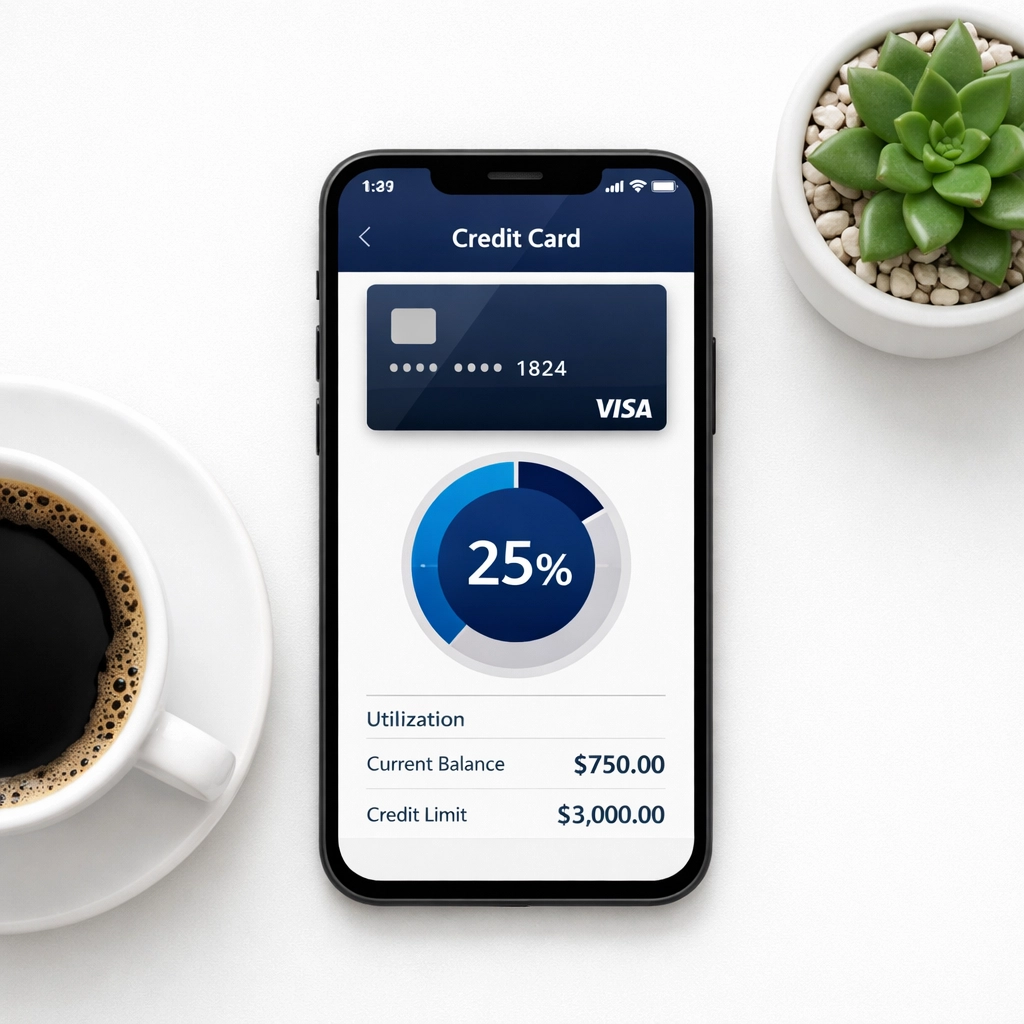
Credit utilization is the percentage of your available credit that you're using. It's one of the biggest factors in your credit score. The magic number? Keep it under 30%. Under 10% is even better.
Here's the math: If you have a $500 credit limit, try to keep your balance below $150 at any given time. If you can keep it under $50? Even better.
Practical strategy: Use your card for small, regular purchases you'd make anyway: gas, groceries, your Netflix subscription. Then pay it off. Don't think of it as "free money." Think of it as a tool to prove you're responsible.
I know it's tempting to use that full $500 limit, especially when you're just starting out and money might be tight. But trust me on this one: keeping that utilization low makes a huge difference in how quickly your score climbs.
Step 3: Pay Your Full Balance On Time, Every Single Month
This is the most important step. I can't stress this enough: payment history is 35% of your credit score. That's more than any other single factor.
Here's what you need to do:
- Set up automatic payments so you never miss a due date
- Pay at least the minimum, but ideally pay the full balance
- Paying in full also means you won't pay interest charges
The reality check: One late payment can drop your score by 50-100 points, and it stays on your report for seven years. That's why consistency matters more than anything else.
Pro tip: Set your card's due date to a few days after your paycheck hits. Most credit card companies let you choose your due date. This way, you always have money in your account when the bill is due.
Think of this like building a reputation. Every on-time payment is you saying, "I'm reliable. I keep my word." Do this for 6-12 months consistently, and lenders will take notice.
Step 4: Become an Authorized User (If You Can)
This step is optional but can speed things up significantly if you have a parent or family member with good credit who's willing to help.
How it works: They add you as an authorized user on their credit card. You might get your own card to use, or they might just add your name to the account. Either way, their payment history on that card shows up on your credit report.
Important: Make sure the card issuer reports authorized users to all three credit bureaus. Not all do, so ask before you go this route.
The catch: Their bad behavior affects you too. If they max out the card or miss payments, that negative history could show up on your report. Only do this with someone who has excellent credit habits and a card they've had for several years.
This isn't necessary to build credit, but it can give you a head start. Some young adults see their scores jump 50-100 points just from being added to a parent's well-managed account.

Step 5: Add a Credit Builder Loan or Mix Your Credit Types
Once you've got 6-12 months of credit card history under your belt, you can level up by adding another type of credit to your profile.
Credit mix accounts for about 10% of your credit score. Having both revolving credit (credit cards) and installment loans (like a car loan or credit builder loan) shows lenders you can handle different types of credit responsibly.
What's a credit builder loan? It's a small loan (usually $300-$1,000) specifically designed to help you build credit. Here's the twist: the lender holds the money in a savings account while you make monthly payments. Once you've paid it off, you get the money. It sounds backwards, but it works: you're building credit and savings at the same time.
Many Texas credit unions and community banks offer these loans. The monthly payments are usually pretty small ($25-$50), and they report to all three credit bureaus.
Student loans count too: If you have federal or private student loans, those report to credit bureaus. Making your payments on time helps build your credit. Just remember: missing payments hurts your score just as much.
You can learn more about different credit building strategies on our education page.
What's a Realistic Timeline to Hit 700+?
Let's be real about expectations. You're not going to go from zero credit to a 700 score in three months. It takes time to build a solid credit history.
Here's a realistic timeline:
- Months 1-3: You're just getting started. Your score might be in the 600-650 range.
- Months 6-9: With consistent on-time payments and low utilization, you could be in the 650-680 range.
- Months 12-18: This is when things really start to shine. Many people hit 700+ around the one-year mark if they've been disciplined.
- Beyond 18 months: You're building a longer payment history, which strengthens your score even more.
The keys to getting there faster:
- Never miss a payment
- Keep utilization under 30% (preferably under 10%)
- Don't apply for too much credit at once
- Let your accounts age: older accounts help your score

Common Mistakes Young Texans Make (And How to Avoid Them)
Mistake #1: Applying for too many cards at once. Each application triggers a hard inquiry, which can temporarily drop your score. Start with one secured card and be patient.
Mistake #2: Closing their first credit card too soon. Once you get upgraded to an unsecured card or get approved for a better card, don't close that first one. Length of credit history matters, and closing accounts shortens your average age of accounts.
Mistake #3: Only making minimum payments while carrying high balances. This hurts your utilization ratio and costs you money in interest. Pay off your balance in full whenever possible.
Mistake #4: Not checking their credit reports. You're entitled to a free credit report from each bureau once a year. Check for errors or signs of identity theft. Catching problems early can save you major headaches.
Your Next Steps
Building credit from scratch isn't glamorous or exciting, but it's one of the smartest financial moves you can make as a young adult. Start with a secured card, use it responsibly, pay on time every month, and be patient. That 700+ score is absolutely within reach.
Remember: good credit opens doors. Bad credit or no credit closes them. The habits you build now will pay off for decades.
If you're feeling overwhelmed or want personalized guidance on your specific situation, that's what we're here for at Texas Credit Trail. We work with Texas families every day to help them understand and improve their credit. Check out our services page to learn more about how we can help you on your credit journey.
You've got this!
Ready to Start Your Credit Journey?
Get personalized credit repair guidance from William Avery
Book Free Consultation