7 Mistakes You’re Making with Credit Utilization (and How to Fix Them for Your Family’s Future)
In Texas, we take pride in our work ethic. Whether you're working the fields, running a shop, or climbing the corporate ladder in the city, the goal is usually the same: building a better future for your family. We know that hard work pays off, but there is one area where hard work alone isn’t enough: your credit score.
You can work eighty hours a week and bring home a great paycheck, but if your credit utilization is out of whack, you might still find yourself denied for that home loan or paying double the interest on a new family truck. At Texas Credit Trail, we see it every day. Good people, hard workers, making simple mistakes that keep their scores stuck in the mud.
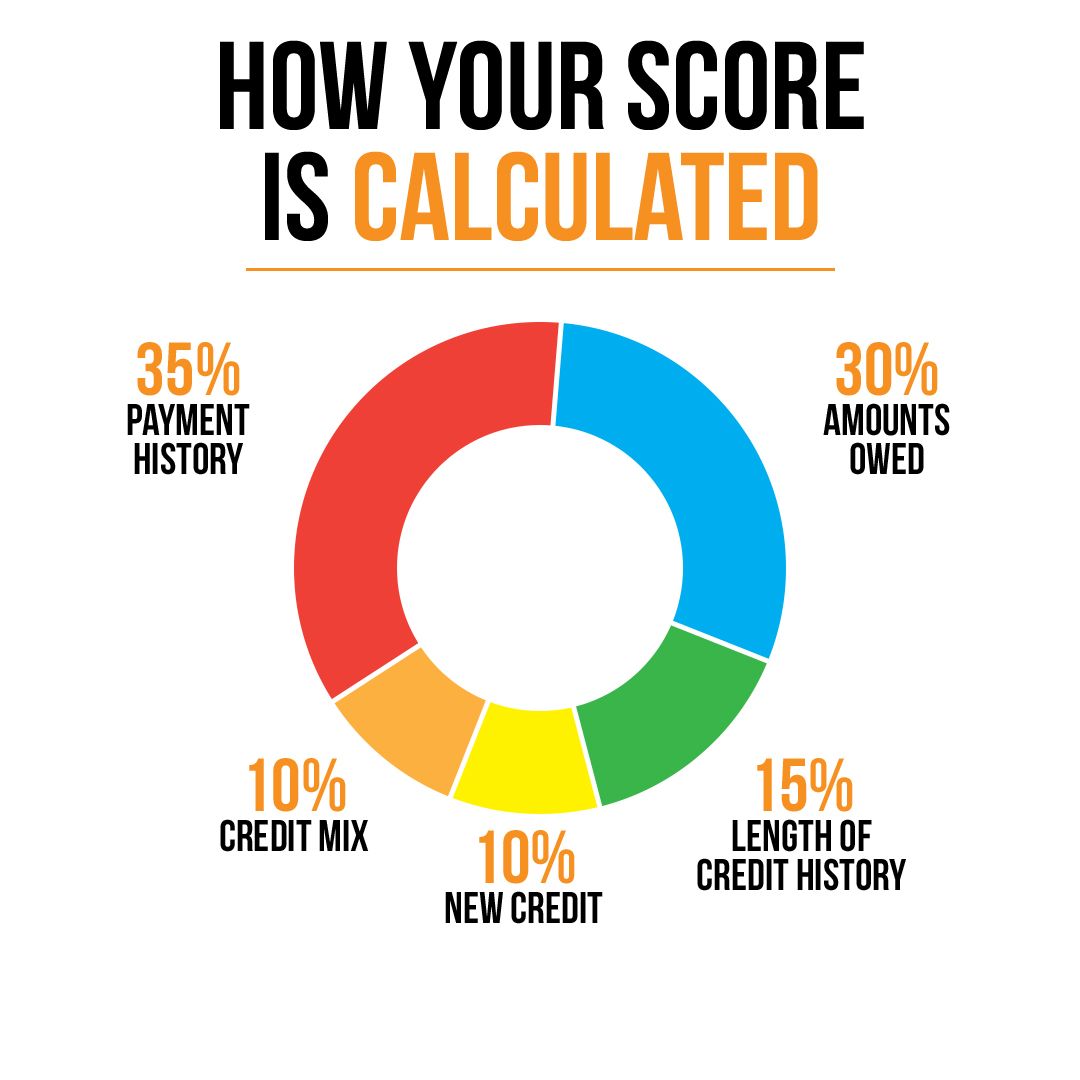
Credit utilization is arguably the most misunderstood part of the credit scoring puzzle, yet it accounts for roughly 30% of your total FICO score. If you want to leave a legacy for your kids and secure your family’s financial health, you need to master this "silent engine" of your credit report.
Here are the seven biggest mistakes we see Texans making with their credit utilization: and exactly how to fix them.
1. The "Redline" Mistake: Maxing Out Your Cards
Most people think that as long as they pay their bills on time, their score will stay high. This is the biggest myth in the industry. You could have a perfect 10-year payment history, but if you max out your credit cards, your score will plummet.
Think of your credit limit like the RPM gauge on your truck. If you’re constantly redlining that needle at 7,000 RPM, the engine is going to blow. Credit bureaus view maxed-out cards as a sign of financial distress. Even if you plan to pay it off next month, the moment that high balance hits your report, your score takes a hit.
The Fix: The general rule of thumb is to keep your utilization under 30%. However, if you want "Elite" status, you should aim for under 10%. If you have a $5,000 limit, don't let that balance sit above $500.
2. Only Making the Minimum Payment
We understand: life happens. Sometimes the AC goes out in the middle of a Texas August, and you have to put the repair on plastic. But falling into the habit of only making minimum payments is a trap that keeps your utilization ratio high for years.
When you only pay the minimum, the majority of your money goes toward interest, not the principal balance. This means your utilization stays high, your score stays low, and you end up paying for that AC repair three times over by the time the debt is gone. This is money that should be going into your family’s savings or your children’s education fund.
The Fix: Use the "Avalanche Method." Pay the minimum on all cards, but put every extra dollar you have toward the card with the highest interest rate. Once that’s gone, move to the next. You can learn more about these strategies on our Education page.
3. Applying for Too Much Credit at Once
When a family decides it’s time to move or upgrade their lifestyle, there’s often a rush to get things done. We see folks applying for three different credit cards, a furniture store line of credit, and an auto loan all in the same month.
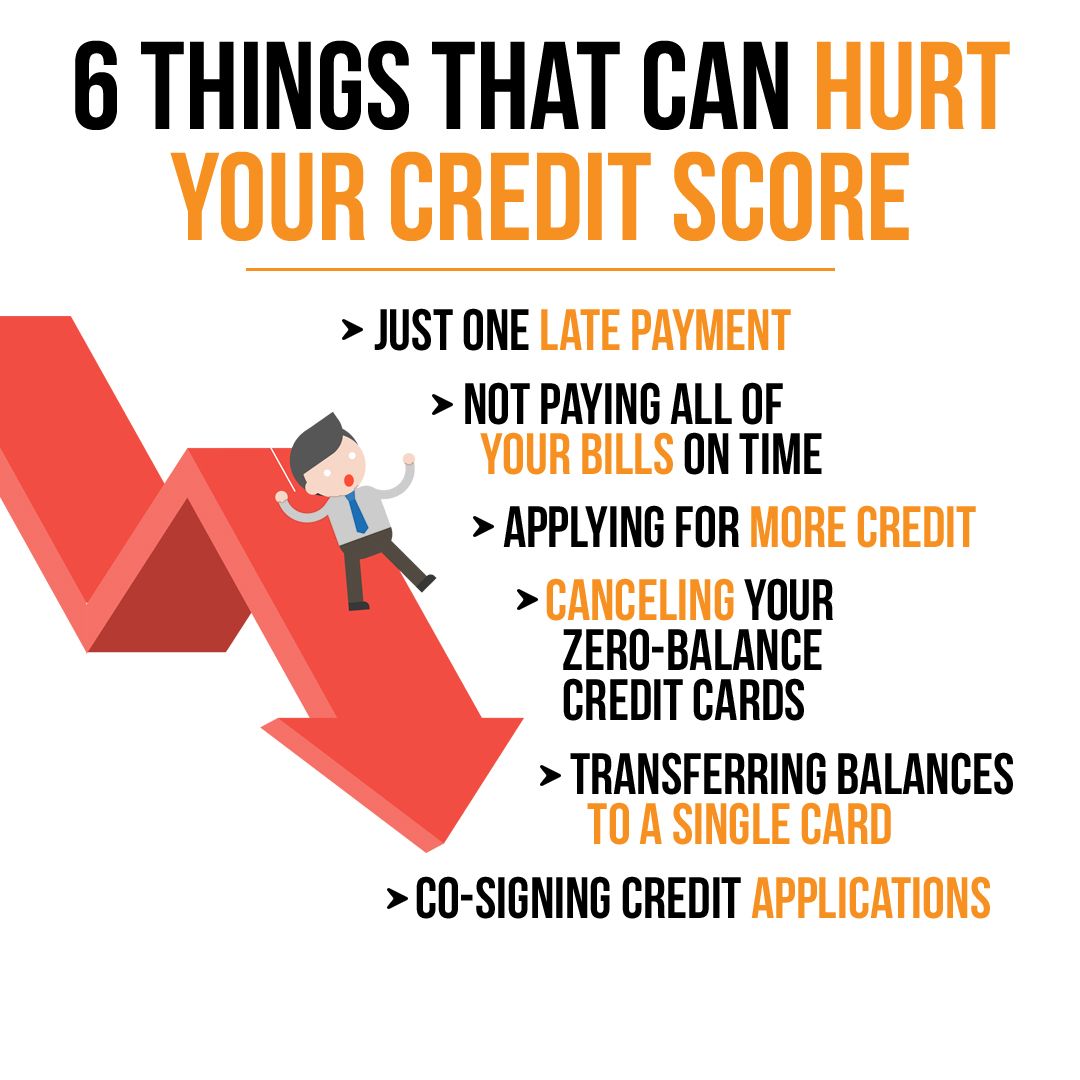
Every time you apply for credit, it triggers a "hard inquiry." While one inquiry might only drop your score by a few points, a cluster of them makes you look "credit hungry" to lenders. It suggests you’re in a hurry to take on debt, which increases your perceived risk.
The Fix: Space out your applications. If you’re planning a major purchase like a home, avoid all other credit applications for at least 6 to 12 months. Credit is a marathon, not a sprint.
4. Closing Old, Unused Accounts
This is a mistake born out of good intentions. You pay off a card, you’re proud of yourself, and you decide to "clean up" your finances by closing the account. You think, "I don't use it, so I don't need it."
Stop right there.
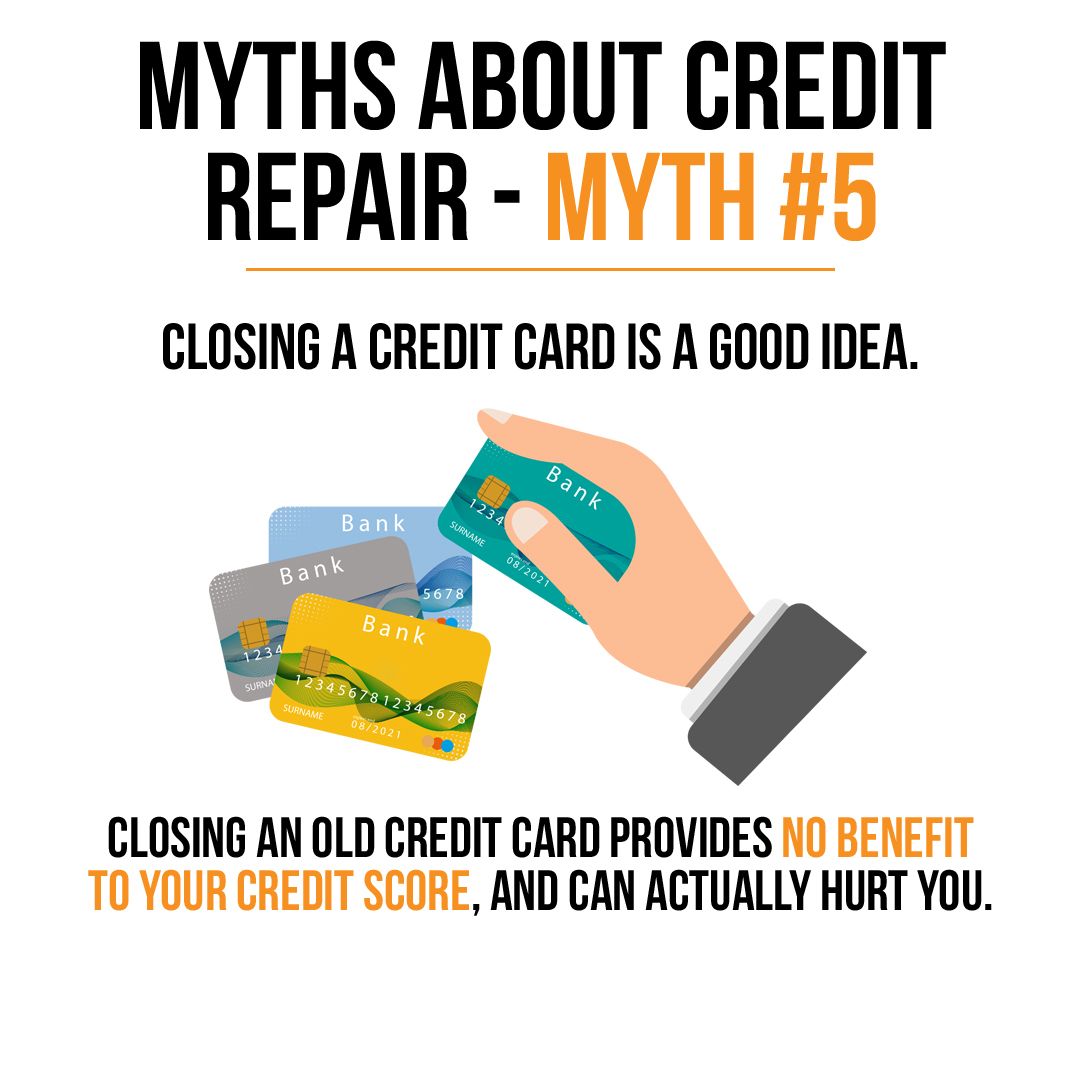
Closing an account does two things that hurt you:
- It reduces your total available credit, which instantly spikes your utilization ratio on your other cards.
- It eventually shortens the "age" of your credit history.
"Many of our clients think they're doing the 'responsible' thing by closing cards they no longer use. In reality, they are often deleting years of positive history and shrinking their credit cushion. Keep those old accounts open; they are the anchors of your credit score." : William Avery, Owner of Texas Credit Trail
The Fix: Keep the accounts open. If you’re worried about inactivity fees or the bank closing the card due to non-use, put one small recurring subscription (like Netflix) on it and set it to autopay.
5. Carrying "Lifestyle" Debt
In the modern world, it’s easy to use credit for things that don’t build value. Discretionary debt: vacations, high-end electronics, or dining out: can quickly inflate your utilization. Unlike a mortgage (which is an investment in a home) or a student loan (an investment in a career), credit card debt for lifestyle choices is purely "expensive money."
When your utilization is high because of non-essential spending, you are essentially borrowing from your family’s future to pay for today’s temporary comfort.
The Fix: Treat credit cards as a tool for convenience, not as an extension of your income. If you wouldn't buy it with cash, think twice before swiping the card. If you're already in deep, check out our services to see how we can help you navigate a path back to zero.
6. The "Statement Date" vs. "Due Date" Confusion
This is a nuanced mistake that even "credit-savvy" people make. You might pay your balance in full every single month by the due date, but your score still shows high utilization. Why?
Because most banks report your balance to the credit bureaus on your statement closing date, which is usually 21-25 days before your due date. If you spend $3,000 on a $5,000 limit and wait until the due date to pay it off, the bank has already reported that 60% utilization to the bureaus.
The Fix: Find out when your statement closing date is and pay your balance down before that date. This ensures that when the bank "snaps a photo" of your balance to send to the bureaus, it shows a low number.
7. Misunderstanding the Math (The 30% Myth)
There is a widespread belief that as long as you are at 29% utilization, you are "safe." While 30% is better than 90%, it is still not the "A+" grade. Credit scoring models are highly sensitive. There is a measurable difference in a score when utilization drops from 30% to 10%, and another jump when it drops below 3%.
If you’re sitting at 30% and wondering why your score isn't hitting that 750 or 800 mark, the math is the answer.
The Fix: Don't aim for the "passable" grade. Aim for the "excellent" grade. Lower is almost always better. If you can keep your total utilization between 1% and 3%, you will see your score reach its maximum potential.
Why This Matters for Texas Families
At Texas Credit Trail, we don't just care about numbers on a screen. We care about what those numbers represent.
- Home Ownership: Better credit means lower mortgage rates. Over 30 years, a 1% difference in your interest rate can save you $50,000 to $100,000. That’s a college education or a retirement fund.
- Security: Lower interest rates on car insurance and loans mean more cash flow every month for your family’s needs.
- Legacy: Teaching the next generation how to handle credit utilization is a gift that lasts a lifetime.
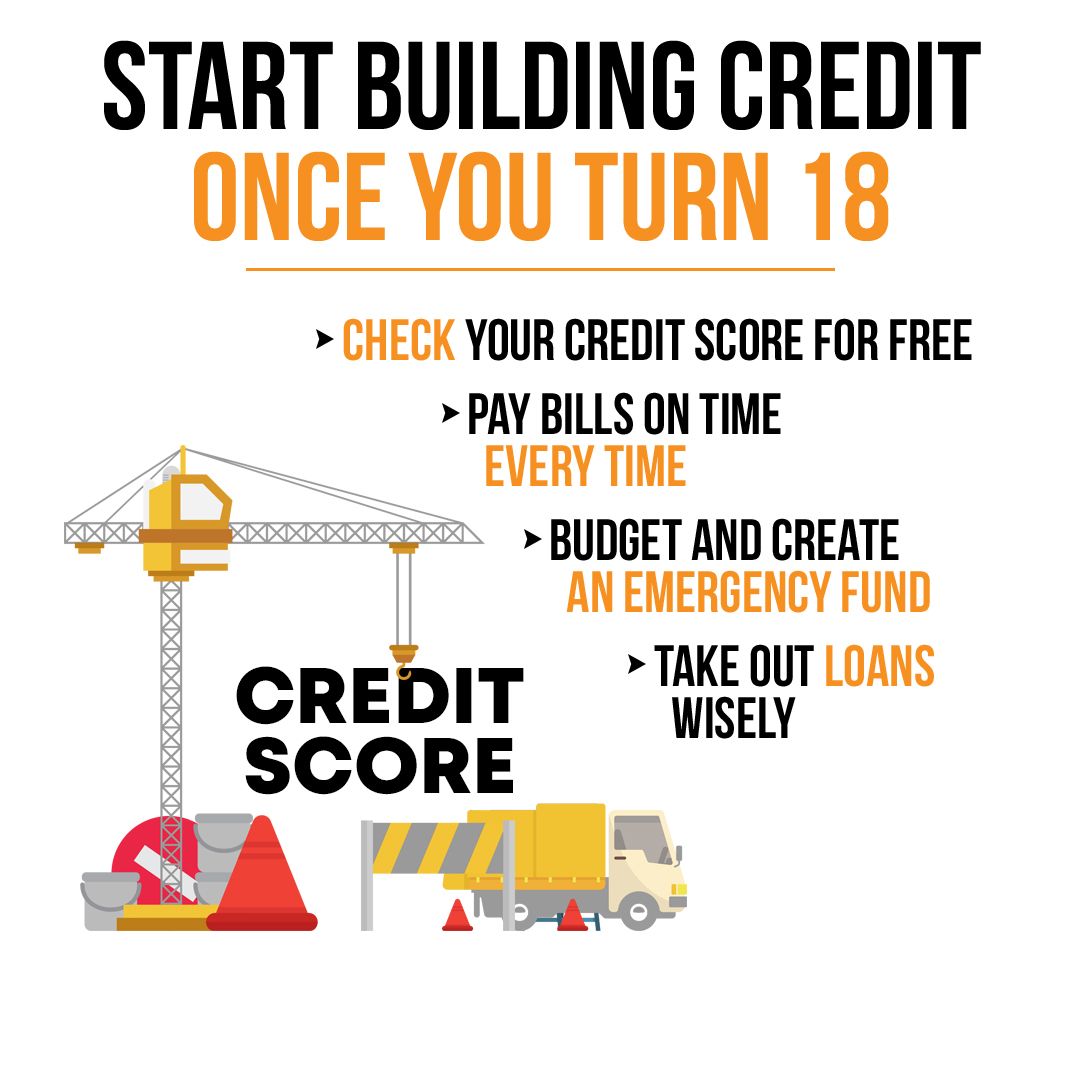
Building credit is a lot like building a house. You need a solid foundation, the right materials, and a plan. You wouldn't build a home without a blueprint, so why try to fix your credit without expert guidance?
The Reality Check
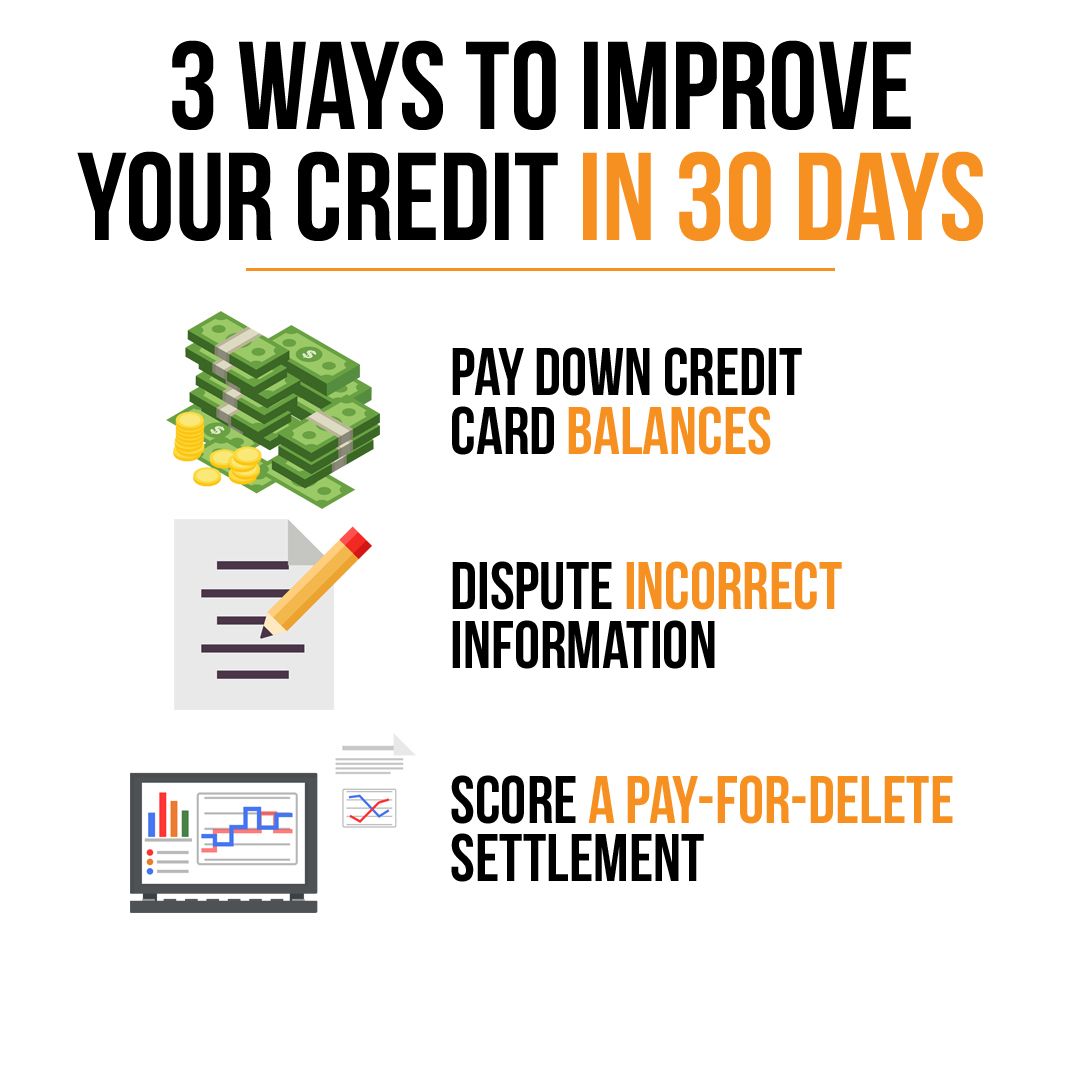
While you can certainly take steps to lower your utilization on your own, the credit system is designed to be confusing. Errors on credit reports are incredibly common, and sometimes, no matter how much you pay down, your score doesn't budge because of underlying issues or reporting mistakes.
This is where professional help makes the difference. We’ve spent years learning the "insider" rules that the credit bureaus don't want you to know. We know how to dispute inaccuracies and how to strategically restructure your credit profile for maximum impact.
The cost of waiting is high. Every month you spend with a sub-par credit score is a month you are paying "interest penalties" to big banks.
Ready to Blaze a New Trail?
You’ve worked hard for your family. Now, let’s make sure your credit score is working just as hard for you. Whether you’re looking to buy your first home, start a business, or just get out from under the weight of high-interest debt, we’re here to help.
- Get the full picture: Check out our E-books for deep dives into credit secrets.
- Join the team: Interested in helping others? Explore our Affiliate program.
- Take the first step: Reach out to us directly on our Contact page for a consultation.
Don't let simple mistakes hold back your family's future. Let's fix your utilization, raise your score, and get you back on the right trail.
Texas Credit Trail
Educational. Expert. Family-Focused.
www.texascredittrail.com
Ready to Start Your Credit Journey?
Get personalized credit repair guidance from William Avery
Book Free Consultation