The Ultimate Guide to How to Fix Credit: Everything You Need to Succeed in the Texas Market
Hey there, neighbor. If you’ve ever felt like your credit score was a gatekeeper standing between you and the life you want for your family, you aren't alone. Whether you’re looking to buy a home in the Hill Country, upgrade the family truck, or just get a handle on your financial future, understanding how to fix credit is one of the most valuable skills you can have.
At Texas Credit Trail, we believe that every Texan deserves a fair shot at financial freedom. But the credit world can feel like a maze designed to keep you lost. That’s why we’ve put together this ultimate guide. We're going to break down the "black box" of credit scoring, explain your legal rights, and show you exactly how to build a foundation that lasts.
What Exactly Is a "Good" Credit Score?
Before we talk about how to fix credit, we need to know what we’re aiming for. In the simplest terms, your credit score is a three-digit number that tells lenders how likely you are to pay back borrowed money.
Most lenders use the FICO® model, which ranges from 300 to 850. But what do those numbers actually mean for a Texas family?
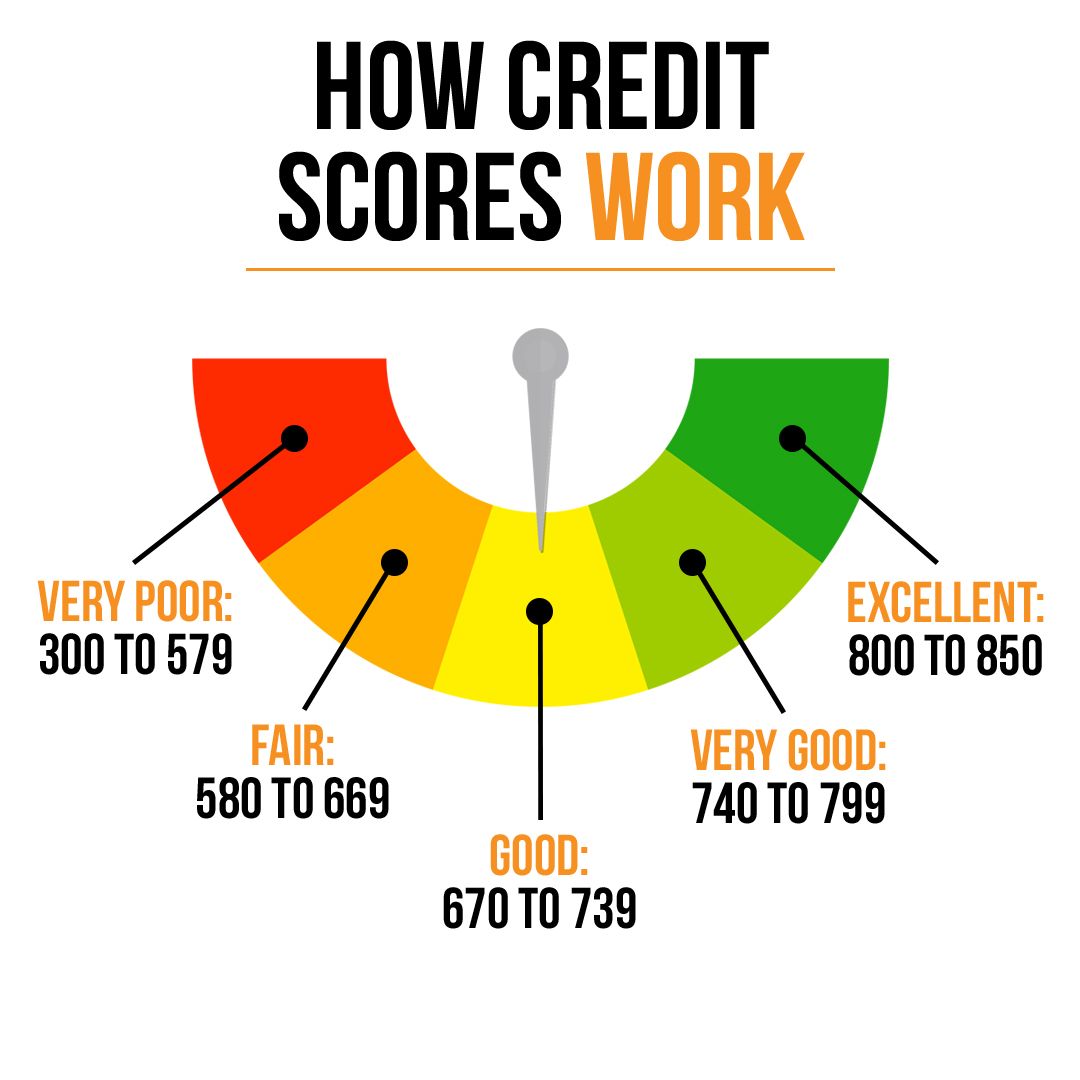
- 300–579 (Very Poor): You’ll likely struggle to get approved for any traditional credit. If you do, the interest rates will be sky-high.
- 580–669 (Fair): You’ve got a foot in the door, but you’re still paying a "credit tax" in the form of higher interest.
- 670–739 (Good): This is the "sweet spot" where most Texans find themselves able to get decent rates on auto loans and mortgages.
- 740–799 (Very Good): You’re a low-risk borrower. You get better terms and lower fees.
- 800–850 (Excellent): You’re at the top of the mountain. You get the absolute best rates available.
Knowing where you stand is the first step. You can check your standing and start your journey by visiting our Education page.
The Texas Blueprint: How Your Score Is Calculated
Most people think their credit score is a mystery, but it’s actually basic math. If you want to know how to improve your score, you have to know which levers to pull.

- Payment History (35%): This is the big one. Have you paid your bills on time? Even one 30-day late payment can knock significant points off your score.
- Amounts Owed / Credit Utilization (30%): This looks at how much of your available credit you’re using. If you have a $1,000 limit and you’ve spent $900, your score will take a hit.
- Length of Credit History (15%): How long have your accounts been open? Generally, the longer, the better.
- Credit Mix (10%): Lenders like to see that you can handle different types of debt, like a credit card (revolving) and a car loan (installment).
- New Credit (10%): Opening too many accounts in a short window makes lenders nervous.
"The hardest truth about credit is that it takes years to build and only minutes to break. But the good news? The law gives you the tools to rebuild it faster than you might think." : William Avery, Owner
How to Fix Credit: The Cleanup Phase
If your score isn't where it needs to be, it’s often because of "noise" on your report: inaccurate, unfair, or unverifiable items. This is where credit repair comes in.
Your Legal Rights in Texas
In the Lone Star State, you are protected by both federal and state laws. The Fair Credit Reporting Act (FCRA) gives you the right to dispute any item on your report that isn't 100% accurate. If a credit bureau can't verify an item within 30 to 45 days, they must remove it.
Furthermore, Texas has its own set of rules under Chapter 393 of the Finance Code. Any legitimate credit repair organization in Texas must be registered with the Secretary of State and maintain a $100,000 surety bond. This is designed to protect you from "fly-by-night" scams. At Texas Credit Trail, we take these regulations seriously because we live and work in the same communities you do.
The Step-by-Step Dispute Process
- Get Your Reports: Go to AnnualCreditReport.com and pull your reports from Equifax, Experian, and TransUnion.
- Audit Everything: Look for accounts that aren't yours, late payments that were actually on time, or debts that are too old to be reported (usually over 7 years).
- Send Dispute Letters: Write to the bureaus explaining why the information is wrong. Send these via certified mail so you have a paper trail.
- Debt Validation: If a collection agency is hounding you, ask them to prove the debt is yours. If they can’t produce the original contract, they shouldn't be reporting it.
If this sounds like a lot of paperwork, it is. That’s why many families choose our professional services to handle the heavy lifting.
Building Credit from Scratch
What if you don't have bad credit, but no credit? This is common for young adults or folks who have always lived on a cash basis. Building a "thin file" into a robust score requires a different strategy.

Credit Builder Loans
These are fantastic tools for young Texans. Unlike a traditional loan where you get the money upfront, with a credit builder loan, the lender puts the "loaned" money into a locked savings account. You make monthly payments, which the lender reports to the bureaus as "on-time payments." Once the loan is paid off, you get the money back. It’s essentially a savings plan that builds your credit.
Secured Credit Cards
If you can’t get a standard credit card, a secured card is your best friend. You provide a deposit (say, $200), and that becomes your credit limit. Use it for small things like gas or groceries, pay it off in full every month, and watch your score climb.
Authorized Users
If a family member has a long-standing credit card with a perfect payment history, they can add you as an "authorized user." You don't even need to use the card: their good history will "piggyback" onto your report.
The "Golden Rules" of Credit Improvement
While you’re cleaning up the past, you must protect your future. Here are the non-negotiables:
- Master Your Credit Utilization: Keep your balances below 30% of your limit. If your limit is $1,000, never carry a balance over $300. If you can keep it under 10%, your score will soar even higher.
- Never Miss a Payment: Set up autopay for the minimum amount on every single bill. You can always pay more later, but that "on-time" checkmark is gold.
- Don't Close Old Accounts: Even if you don't use that old card from college, keep it open. It helps your "length of history" and your overall available credit.

DIY vs. Professional Credit Repair: Which Is Right for You?
You can fix your credit yourself. The law allows it, and there are plenty of resources available. However, there’s a reason people hire professionals.
The DIY Approach:
- Pro: It’s free (aside from postage).
- Con: It takes a massive amount of time. You have to track dates, respond to stall tactics from bureaus, and understand complex legal jargon.
The Professional Approach (Texas Credit Trail):
- Pro: We have the systems and experience to identify errors you might miss. We handle the communication, the follow-ups, and the legal pressure.
- Con: There is a service fee (though we never charge illegal upfront fees before work is performed).
For most Texas families, the time saved and the higher success rate make professional help the smarter investment. If you’re ready to see what we can do, check out our latest offers.
Common Credit Myths Debunked
We hear a lot of "cowboy logic" when it comes to credit. Let’s clear a few things up:
- "Closing a card helps your score." Usually, it hurts it. It lowers your total available credit, which spikes your utilization.
- "Checking your own credit lowers your score." False. This is a "soft inquiry" and has zero impact.
- "Married couples have one score." Nope. Your credit is yours; your spouse's is theirs. While joint accounts affect both, you are two separate entities in the eyes of the bureaus.
Your Trail to Financial Freedom Starts Today
Fixing your credit isn't just about a number; it’s about the opportunities that number provides. It’s about being able to say "yes" when your family needs a new home or "yes" to a better interest rate that saves you $300 a month.
Whether you decide to take the DIY route or want a partner like Texas Credit Trail to guide you, the most important thing is to start. The "cost of inaction" is real: every month you wait is another month you're paying higher interest rates and missing out on better opportunities.
Ready to take the first step? Contact us today for a consultation. Let’s get you back on the right trail.
Texas Credit Trail is a registered Credit Services Organization. We believe in education first and results that last. For more information on your rights, visit our Terms & Conditions or our Privacy Policy.
Ready to Start Your Credit Journey?
Get personalized credit repair guidance from William Avery
Book Free Consultation