Build Credit from Scratch 101: A Texan’s Guide to Mastering Your Score
Starting your financial journey can feel a bit like staring at a blank map of the Lone Star State, you know where you want to go, but you aren't quite sure which trail leads there. If you’ve ever been told "no" for a car loan or an apartment because you have "no credit history," you know exactly how frustrating that is. It’s the classic Catch-22: you can’t get credit without a score, and you can’t get a score without credit.
At Texas Credit Trail, we see this every day. Whether you’re a young adult just turning 18 or a family that’s lived on a cash-only basis for years, building credit from scratch is entirely doable. It’s about more than just a number; it’s about the freedom to buy a home, lower your insurance premiums, and get the best rates on life’s big purchases.
What is a "Good" Credit Score, Anyway?
Before we start building, we need to know what the finish line looks like. Credit scores generally range from 300 to 850. In the world of lending, your score tells a story about how "trustworthy" you are with borrowed money.
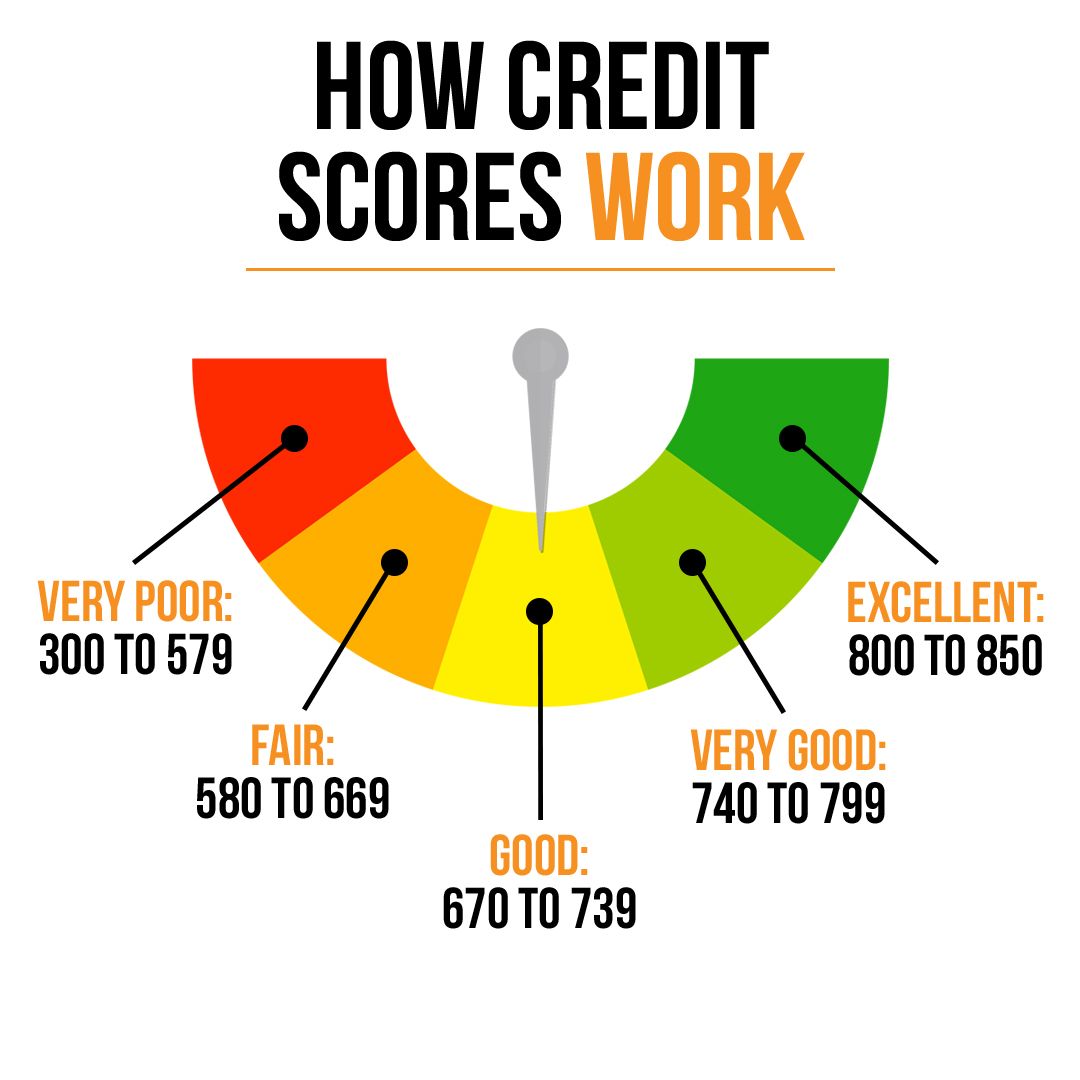
As you can see from the chart above, there’s a big difference between "Fair" and "Excellent." While you might get approved for a loan with a score in the 600s, you’ll likely pay a "Texas-sized" interest rate. Our goal at Texas Credit Trail is to move you into that 740+ range where the best opportunities live.
"Most folks think a credit score is just a grade on how much debt you have. The reality? It's a measure of your reliability. In the credit world, no news isn't necessarily good news: it's just a blank page that lenders are afraid to read." : William Avery, Owner of Texas Credit Trail
How the Magic Happens: The Credit Score Formula
To master your score, you have to understand what makes it move. It’s not a mystery; it’s a math equation. If you know the variables, you can control the outcome.
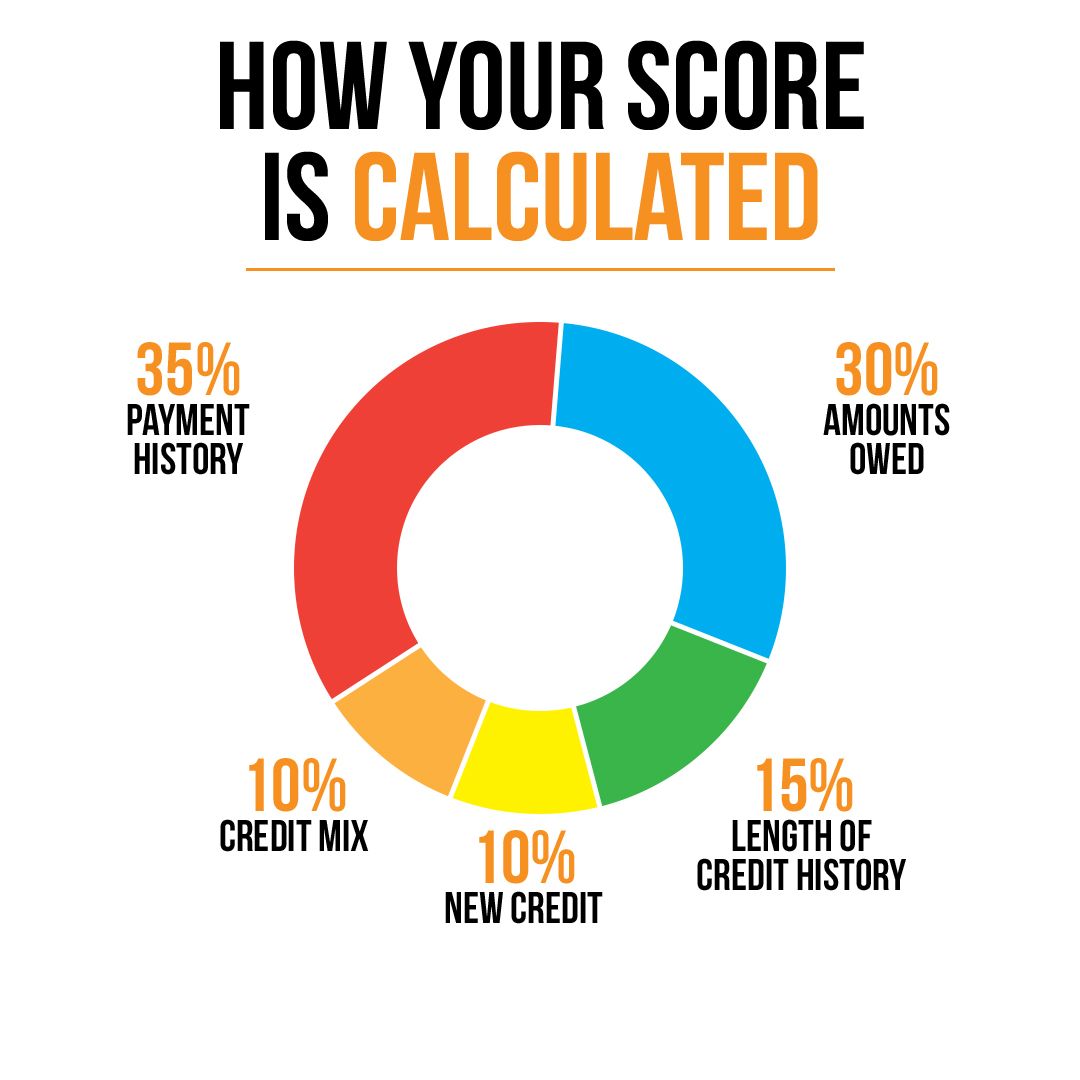
Here is the breakdown of what lenders are looking at:
- Payment History (35%): Do you pay your bills on time? This is the heaviest hitter. One late payment can knock your score down significantly.
- Amounts Owed / Credit Utilization (30%): How much of your available credit are you using? If you have a $1,000 limit and you’ve spent $900, you look "maxed out" to a lender.
- Length of Credit History (15%): How long have your accounts been open? This is why starting early matters.
- Credit Mix (10%): Do you have a variety of accounts (like a credit card and a car loan)?
- New Credit (10%): Opening too many accounts at once makes you look desperate for cash.
Three Ways to Start Building from Zero
If you’re starting from scratch, you usually won’t have a score for about 3 to 6 months after opening your first account. Here are the best "entry-level" trails to take:
1. The Secured Credit Card
Think of this as a credit card with training wheels. You give the bank a deposit (say $200 or $500), and that deposit becomes your credit limit. Because you’ve already "paid" the limit, the bank takes zero risk. You use the card for small things: like a tank of gas or a grocery run: pay it off in full every month, and the bank reports that positive behavior to the credit bureaus. Check out our offers page for recommendations on where to start.
2. Credit-Builder Loans
This is one of the most effective tools for Texas families. Unlike a traditional loan where you get the money upfront, with a credit-builder loan, the lender puts the "loaned" money into a locked savings account. You make monthly payments, and the lender reports those on-time payments to the bureaus. Once the loan is paid off, you get the money back! It’s like a forced savings plan that builds your credit simultaneously.
3. Becoming an Authorized User
If you have a family member with a long history of great credit, they can add you as an "authorized user" on one of their older credit cards. You don’t even have to use the card (or even have the physical card in your hand) for their good habits to start reflecting on your report. This is a powerful "cheat code," but it requires a high level of trust.
Mastering Your Score: The Golden Rules
Once you have your first account open, the real work begins. It’s easy to build credit, but it’s even easier to ruin it if you aren’t careful. Here’s what we teach our clients at Texas Credit Trail:
Keep Your Utilization Low
Your Credit Utilization Ratio is the percentage of your total credit limit that you’re using. If you have a $1,000 limit, try to keep your balance below $300 (30%). If you really want to see that score jump, keep it below 10%. Lenders love to see that you have access to credit but choose not to use it all.
Pay Early, Not Just "On Time"
While the due date is the "hard" deadline, we recommend paying your balance a few days before the statement closing date. This ensures that when the credit card company reports your balance to the bureaus, it shows a low number, which helps your utilization.
Avoid the "Debt Trap"
Credit cards aren't free money. If you can’t afford to pay the balance in full at the end of the month, don’t put it on the card. Interest charges are the fastest way to lose the "financial game." We offer plenty of educational resources to help you navigate these habits.
Common Pitfalls to Avoid
When you’re new to the game, it’s easy to make mistakes that feel small but have a big impact.
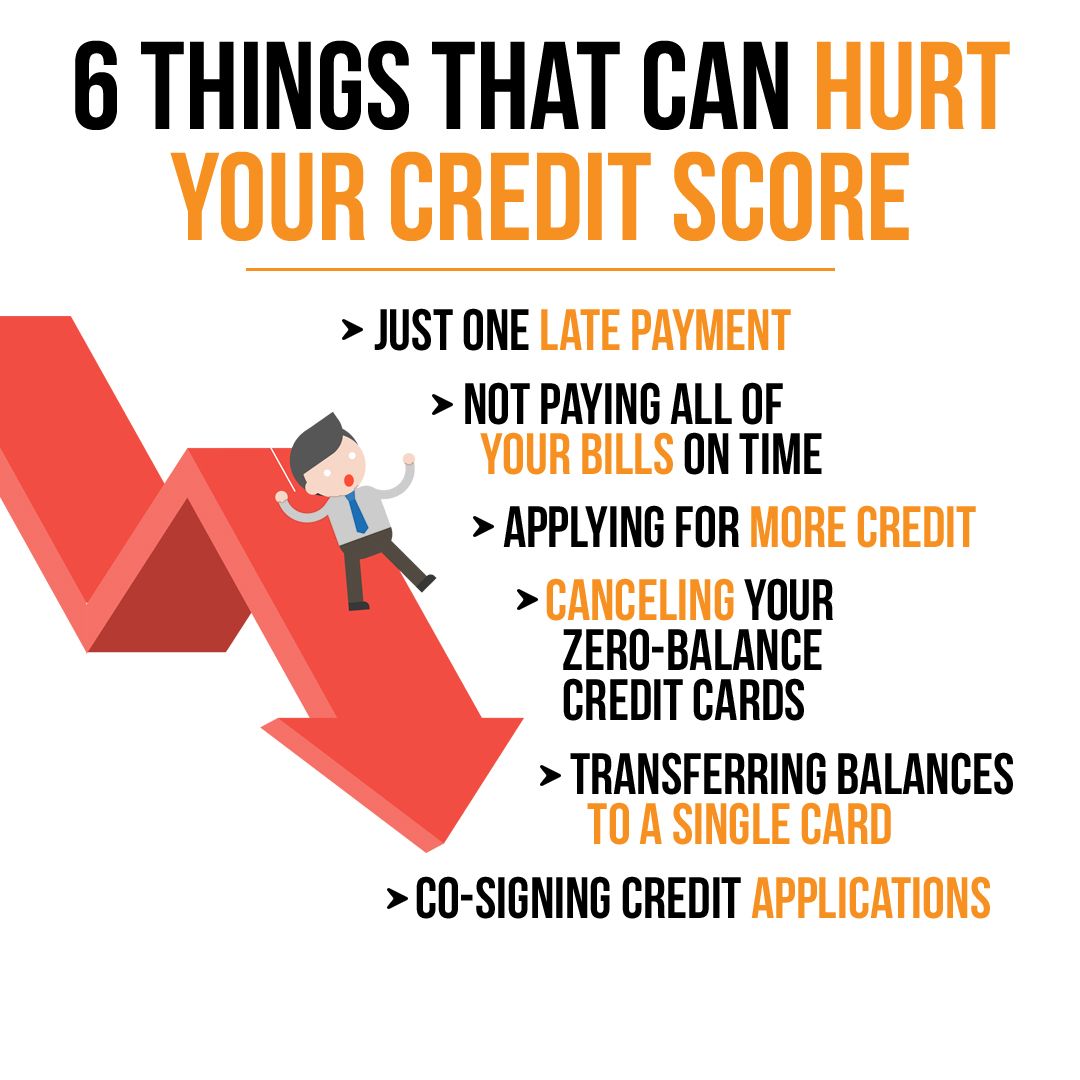
As the graphic shows, some common mistakes include:
- Applying for too much at once: Every time you apply for credit, it triggers a "hard inquiry," which can temporarily dip your score.
- Co-signing for others: If you co-sign for a friend and they miss a payment, your credit takes the hit. In Texas, we’re neighborly, but be very careful who you link your financial reputation to.
- Closing old accounts: Even if you don’t use your first credit card anymore, closing it can shorten your "credit age," which makes up 15% of your score.
DIY vs. Professional Guidance: The Texas Credit Trail Advantage
Can you build credit on your own? Absolutely. Many people do it successfully. But the "hard truth" is that the system isn't always fair. Errors on credit reports are incredibly common, and navigating the bureaucracy of the big three credit bureaus can feel like a full-time job.
Here is why many Texas families choose to work with us:
- The Cost of Inaction: A "Fair" credit score could cost you an extra $50,000 to $100,000 in interest over the life of a 30-year mortgage. Waiting "until next year" to fix your credit is a very expensive decision.
- Insider Knowledge: We know the laws (like the Fair Credit Reporting Act) that protect you. We know how to challenge inaccuracies that you might not even realize are there.
- Speed: While DIY can take years of trial and error, our services are designed to get you results in months, not years.
"I’ve seen folks spend three years trying to fix a single error on their report only to get nowhere. We handle the heavy lifting so you can focus on your family and your future. We don't just fix scores; we build paths to homeownership." : William Avery
Your Next Steps
Building credit from scratch is a marathon, not a sprint. It requires patience, discipline, and a bit of strategy. If you’re ready to stop guessing and start growing, here is your checklist:
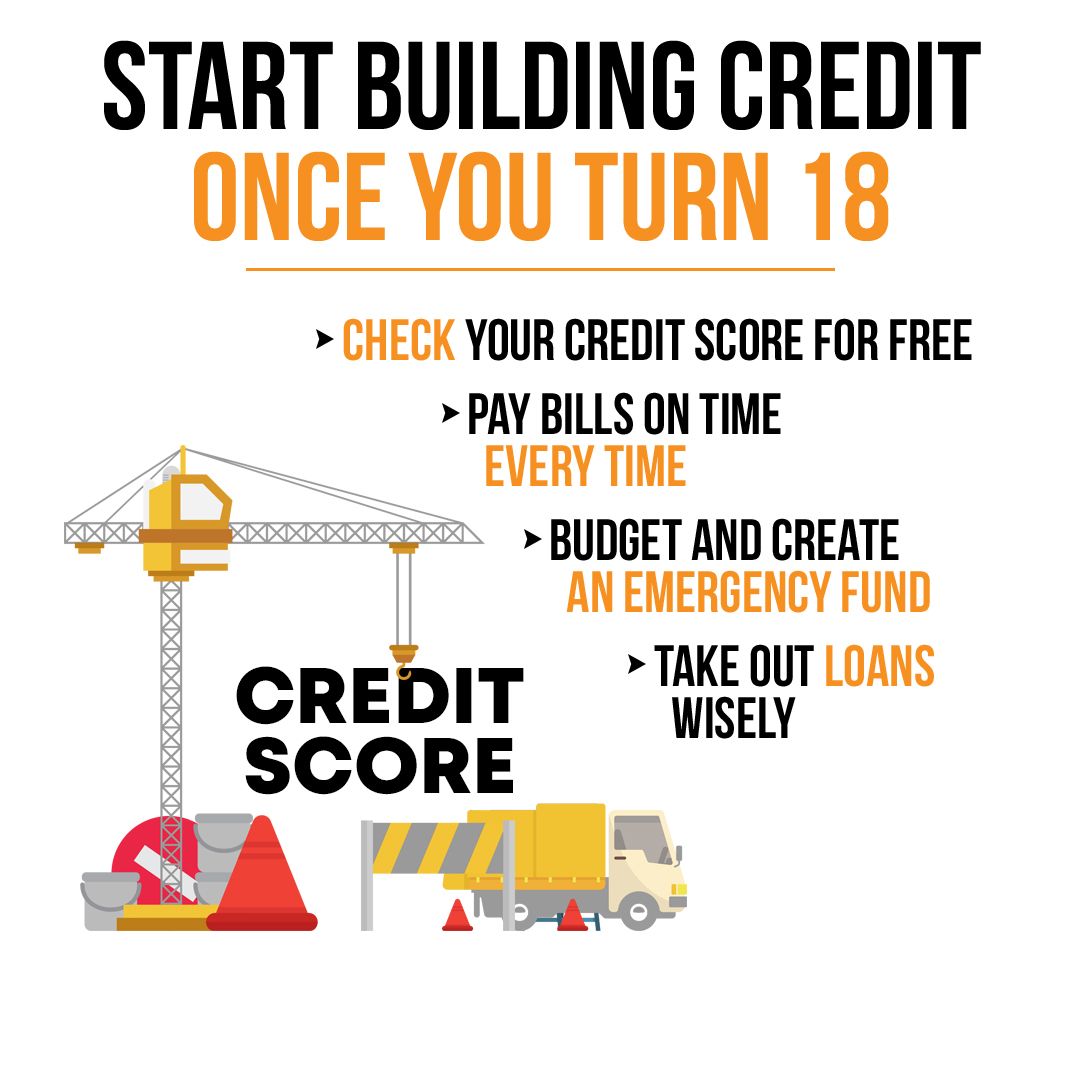
- Check your current report (even if you think there's nothing on it) at our education center.
- Open one "starter" account (Secured card or Credit-Builder loan).
- Set every bill to autopay. Never, ever miss a payment.
- If you hit a roadblock or see something on your report that doesn't look right, contact us for a consultation.
You don't have to walk this trail alone. Whether you’re looking to buy your first home or just want the peace of mind that comes with financial stability, Texas Credit Trail is here to guide you every step of the way.
Ready to get started? View our latest offers and let's put you on the map to an excellent credit score.
Ready to Start Your Credit Journey?
Get personalized credit repair guidance from William Avery
Book Free Consultation