The Ultimate Guide to Building Credit from Scratch: The Texan Way to a Strong Financial Start
Starting your financial journey can feel a bit like staring at a blank map. You know where you want to go, maybe it’s buying a home for your family, getting a reliable truck, or just having the peace of mind that comes with financial stability, but you don’t quite have the "trail" blazed yet. In the world of finance, that trail is your credit score.
If you have no credit history at all, you’re what lenders call "credit invisible." It’s a frustrating spot to be in because you can’t get a loan without credit, but you can’t get credit without a loan. At Texas Credit Trail, we’ve helped countless neighbors navigate this exact "Catch-22."
Building credit from scratch isn't about racking up debt; it's about building a reputation for reliability. Here is the blueprint for a strong financial start.
What is a Good Credit Score, Anyway?
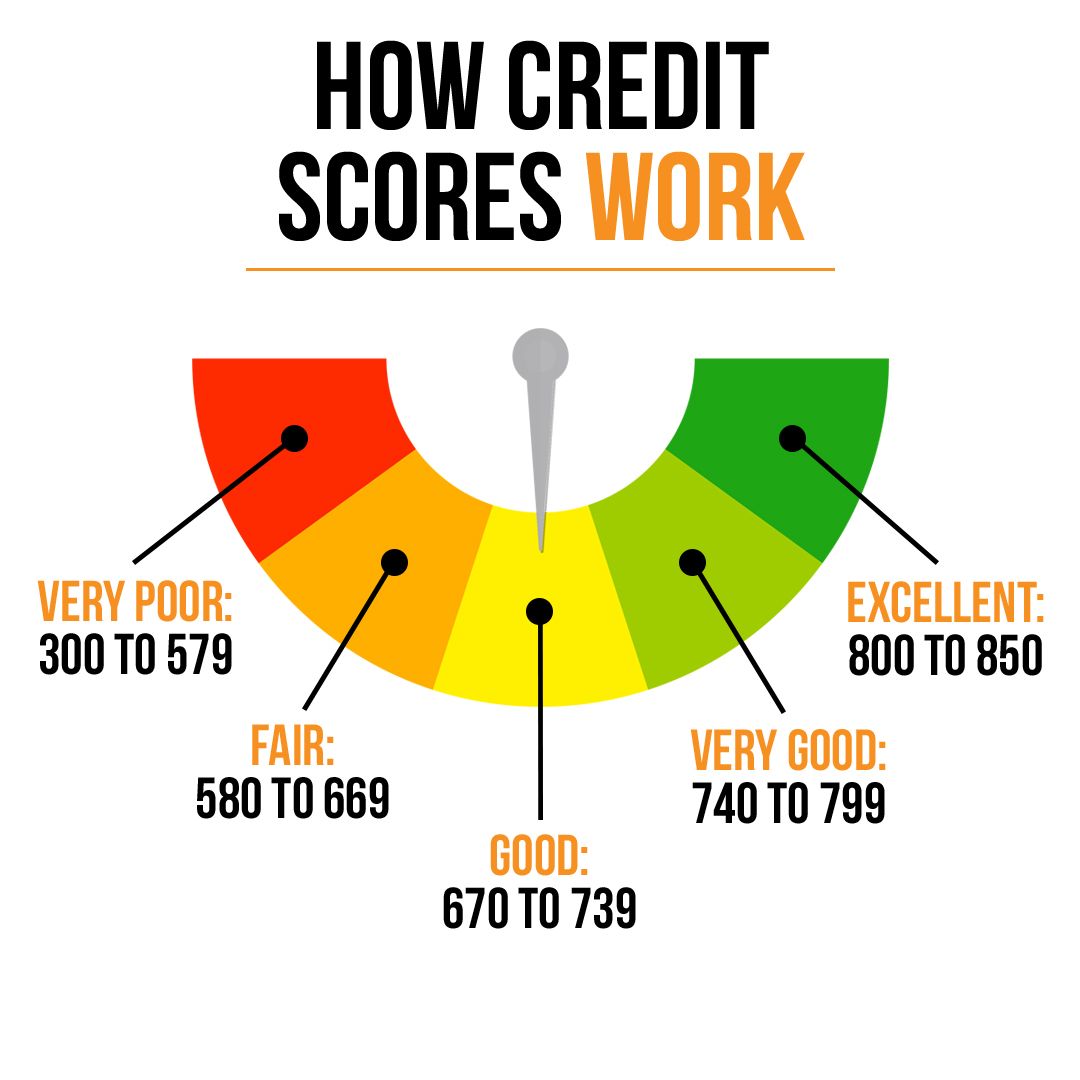
Before you start building, you need to know what you’re aiming for. Your credit score is a three-digit number, typically ranging from 300 to 850, that tells lenders how likely you are to pay back what you borrow.
Most lenders use the FICO® score model. Here is how those numbers generally break down:
- Exceptional (800–850): You get the best rates and the "red carpet" treatment.
- Very Good (740–799): You’ll qualify for almost any loan with great terms.
- Good (670–739): This is the sweet spot for most Texas families. It’s a solid score that gets you approved for standard rates.
- Fair (580–669): You might get approved, but you’ll likely pay higher interest.
- Poor (300–579): You’ll struggle to get traditional financing.
"Building credit isn't about spending money you don't have; it's about proving you're a person of your word. In Texas, your word is your bond, and your credit score is just the digital version of that." : William Avery, Owner of Texas Credit Trail
The "Hard Truth" About Having No Credit
Many people think that having no debt means they have "good" credit. The reality is that having a score of zero (or no score at all) can be just as expensive as having a poor score. When you have no history, insurance companies might charge you higher premiums, landlords might ask for larger security deposits, and utility companies may require a "good faith" payment just to turn on the lights. Starting from scratch is a necessity, not an option, if you want to save money in the long run.
Step 1: Laying the Foundation (Age 18 and Beyond)
If you or a family member are just starting out: perhaps a recent graduate or someone who has always dealt in cash: the first step is often the hardest. You need someone to give you a chance.
For those just turning 18, the focus should be on small, manageable steps. This isn't the time to go out and finance a $60,000 dually. It's the time to show you can handle $200.
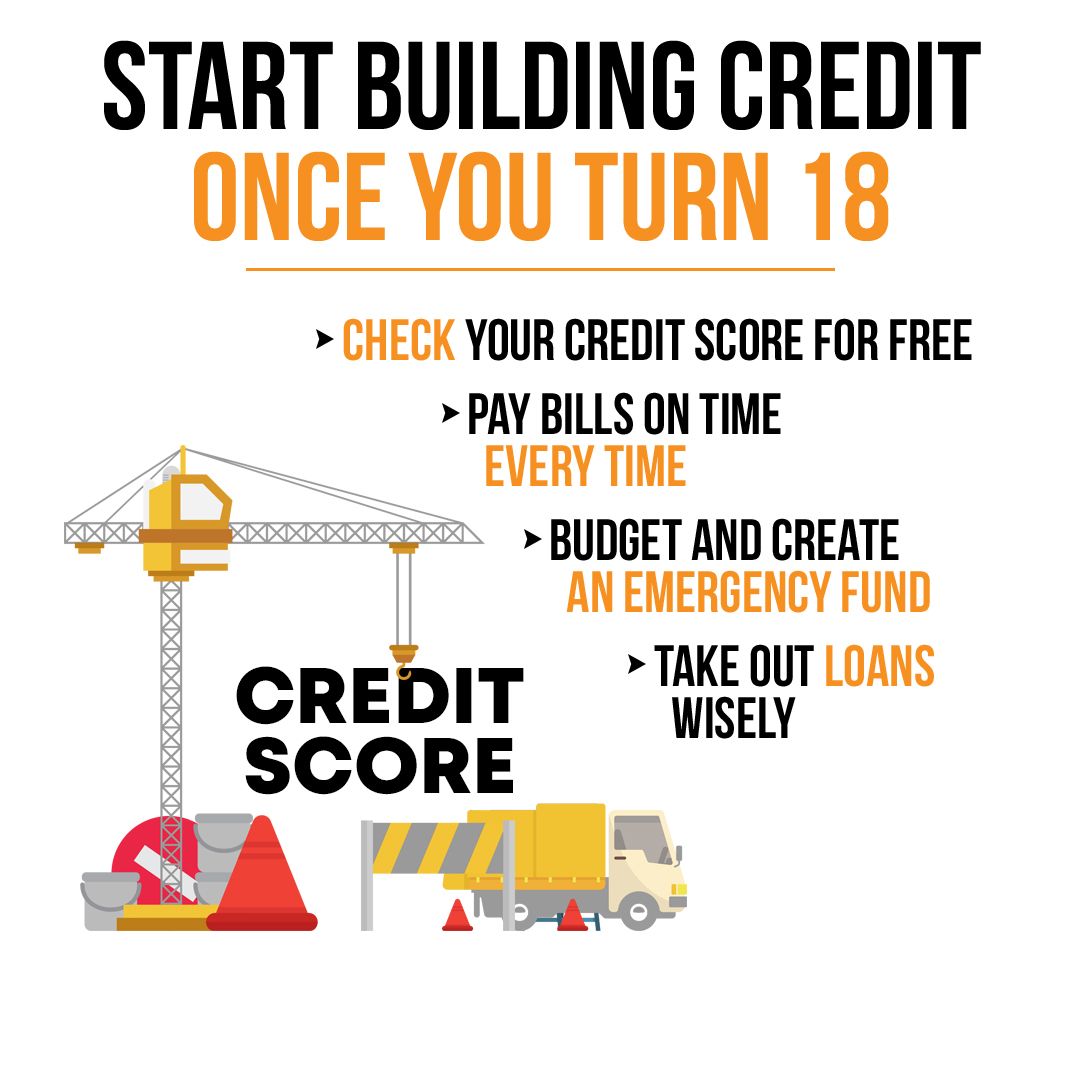
Strategies for the Credit Invisible:
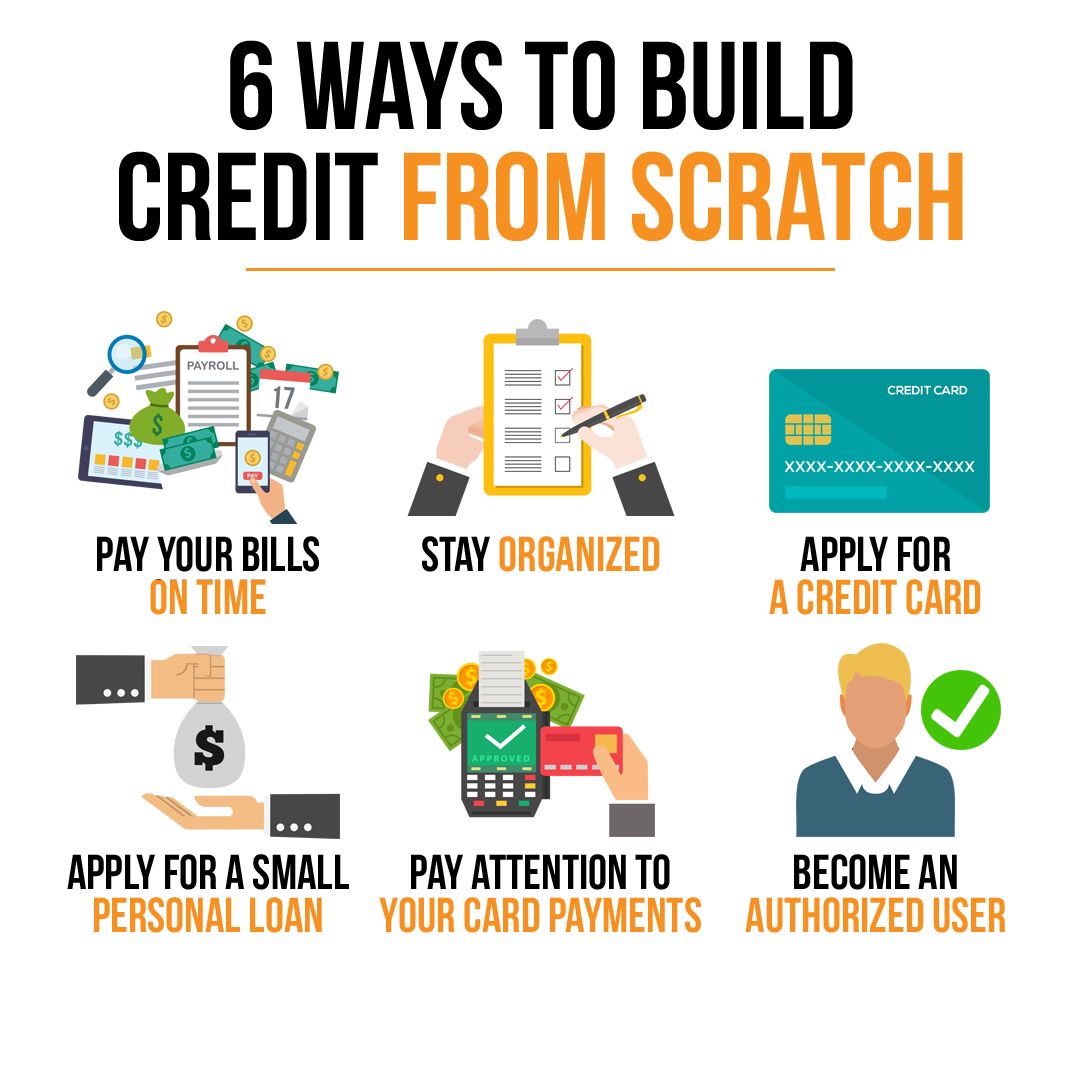
- The Secured Credit Card: This is the "training wheels" of the credit world. You provide a deposit (say, $200), and that deposit becomes your credit limit. Since the bank has your money as collateral, they are much more likely to approve you.
- Become an Authorized User: If a parent or spouse has a long-standing credit card account with a perfect payment history, they can add you as an authorized user. Their positive history "piggybacks" onto your report.
- Credit Builder Loans: These are unique tools where the "loan" stays in a savings account while you make payments. Once the loan is paid off, you get the money back, and your credit report shows a history of on-time installments. Check out our offers page to see tools that can help with this.
Step 2: Understanding the Math (The 5 Factors)
Once you have your first account open, you need to know how to manage it. You don't need a PhD in finance, but you do need to understand the five factors that make up your score.

- Payment History (35%): This is the big one. One late payment can set you back months. If you want to improve and fix credit later on, the first thing we look at is whether you’re paying on time now.
- Credit Utilization (30%): This is the ratio of how much credit you’re using compared to your limit. If your limit is $1,000 and you owe $900, your score will drop. We recommend keeping this under 30%: and under 10% if you want to see your score skyrocket.
- Credit Age (15%): The longer an account is open, the better. This is why you should never close your oldest accounts once you’ve established them.
- Credit Mix (10%): Lenders like to see that you can handle different types of debt, like a credit card (revolving) and a car loan (installment).
- New Credit (10%): Opening too many accounts in a short window makes you look "credit hungry" and risky.
Step 3: Practical Habits for Texas Families
Building credit "the Texan way" means being neighborly but also being smart. It’s about protecting your family’s future. Here are the day-to-day habits that move the needle:
- Treat Your Credit Card Like a Debit Card: Never buy something on credit that you couldn't pay for with cash right now.
- Set Up Autopay: Life gets busy. Between work, school, and family, it’s easy to miss a due date. Set your accounts to pay at least the minimum automatically so you never suffer a late fee or a hit to your score.
- Monitor Everything: You can’t fix what you don't see. We provide resources in our education section to help you keep an eye on your reports.
Common Mistakes to Avoid
When you're building from scratch, the trail can be slippery. Avoid these common pitfalls:
- Applying for everything at once: Every time you apply for credit, it creates a "hard inquiry" on your report. Too many of these will lower your score.
- Maxing out cards: Even if you pay it off at the end of the month, if the bank reports a "maxed out" balance to the bureaus, your score will temporarily tank due to high credit utilization.
- Ignoring small bills: In Texas, medical bills or old utility fragments can end up in collections. Even if you're building "good" credit, one old "bad" collection can hold you back.
Why Professional Guidance Matters
You can technically do all of this yourself. You can research every law, call every bureau, and manage every dispute. But just like you could technically fix your own transmission or roof, sometimes it’s better to call in a professional who has the right tools and years of experience.
At Texas Credit Trail, we don't just "fix" numbers. We educate. We help you understand the why behind the what. Whether you are looking to build credit from scratch or you need to repair damage from the past, having a local partner makes the journey much shorter.
"Many people spend years trying to figure out the credit game through trial and error. We prefer to give you the answers to the test so you can get into your new home or car in months, not years." : William Avery
Your Next Steps
Building credit is a marathon, not a sprint. It takes about six months of activity for a FICO® score to even be generated. If you start today, you could be in a completely different financial position by this time next year.
If you’re ready to start your journey, here is what we recommend:
- Check your current status: Even if you think you have "nothing," pull your reports to make sure there are no errors or identity theft issues.
- Open a starter account: Look into credit builder loans or secured cards.
- Learn the ropes: Dive into our ebooks for more in-depth strategies.
- Reach out: If you’re feeling stuck or overwhelmed, contact us. We’re here to help our Texas neighbors succeed.
Don't let a lack of credit history hold your family back from the life you deserve. The trail is open( you just have to take the first step.)
Ready to Start Your Credit Journey?
Get personalized credit repair guidance from William Avery
Book Free Consultation