The Young Texan’s Guide to Building Credit From Scratch
So, you’ve finally hit that milestone. Maybe you’re graduating from high school, heading off to a university in Austin or College Station, or starting your first real job here in the Lone Star State. You’re ready to take on the world, but there’s one giant roadblock standing in your way: the "Credit Catch-22."
You know the one. You need a credit history to get an apartment, a car loan, or even a decent cell phone plan, but you can’t get credit because you don’t have a history yet. It feels like trying to get a job that requires five years of experience for an entry-level position.
At Texas Credit Trail, we see this every day. Most folks think credit is something that just "happens" to you, but the truth is, it’s something you build. And if you’re starting from zero, you actually have a massive advantage: a clean slate. You haven't made the mistakes that we often have to help people fix or improve later in life.
Here is the neighborly truth about how to build credit from scratch without falling into the debt traps that catch so many young Texans.
What is a "Good" Credit Score, Anyway?
Before you start building, you need to know what you’re aiming for. A credit score is essentially a grade that tells lenders how likely you are to pay them back. In the world of FICO scores (the most common model), the numbers range from 300 to 850.
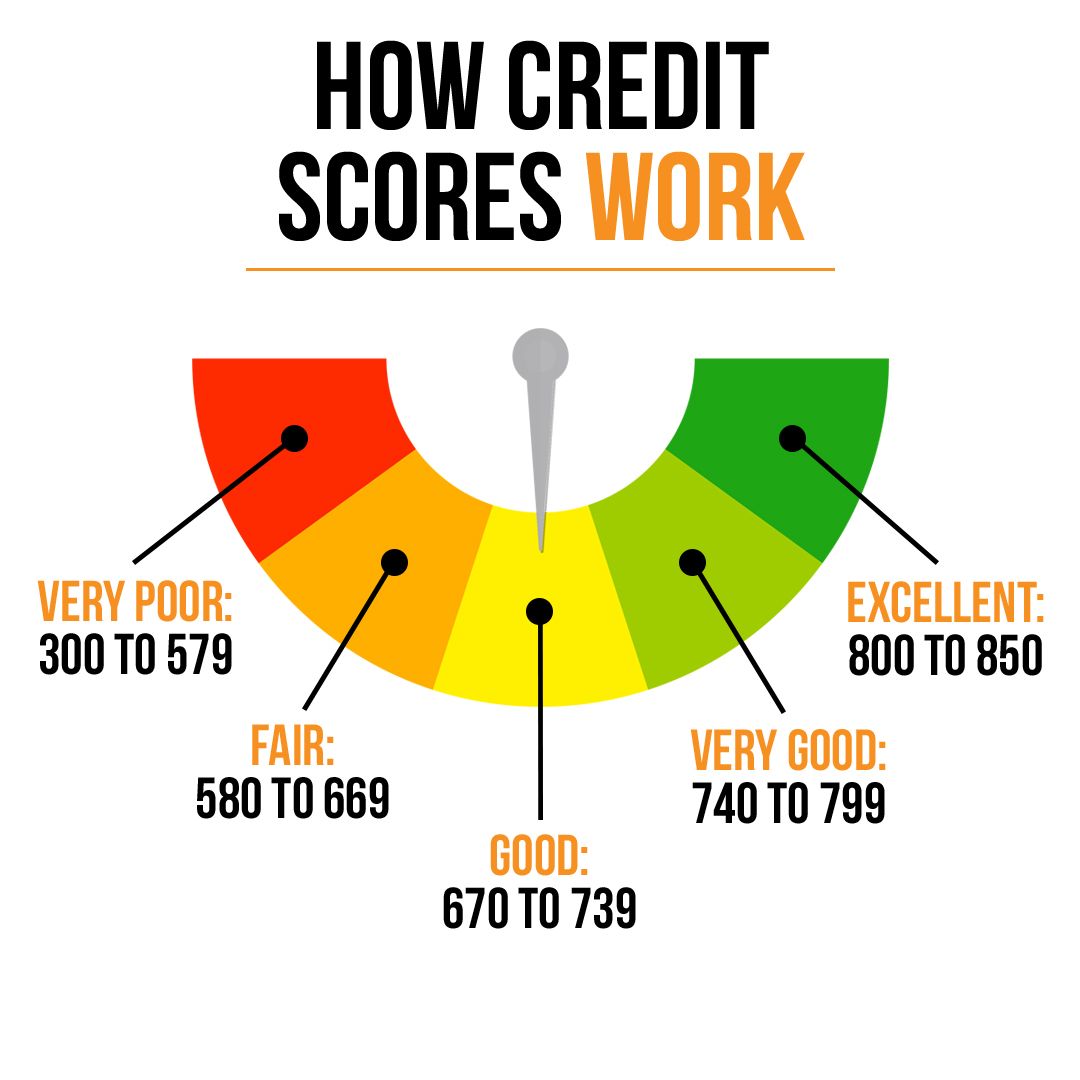
Most young adults start with what we call a "thin file" or no score at all. Once you start reporting data, you'll likely land somewhere in the middle. Generally, anything above 670 is considered "Good," but once you cross into the 740+ range, you’re looking at the best interest rates available.
"Starting your credit journey is a lot like planting a pecan tree. You won't see the shade today, but if you water it correctly now, it’ll protect your financial future for decades. The biggest mistake is waiting until you need a mortgage to care about your score." : William Avery, Owner of Texas Credit Trail
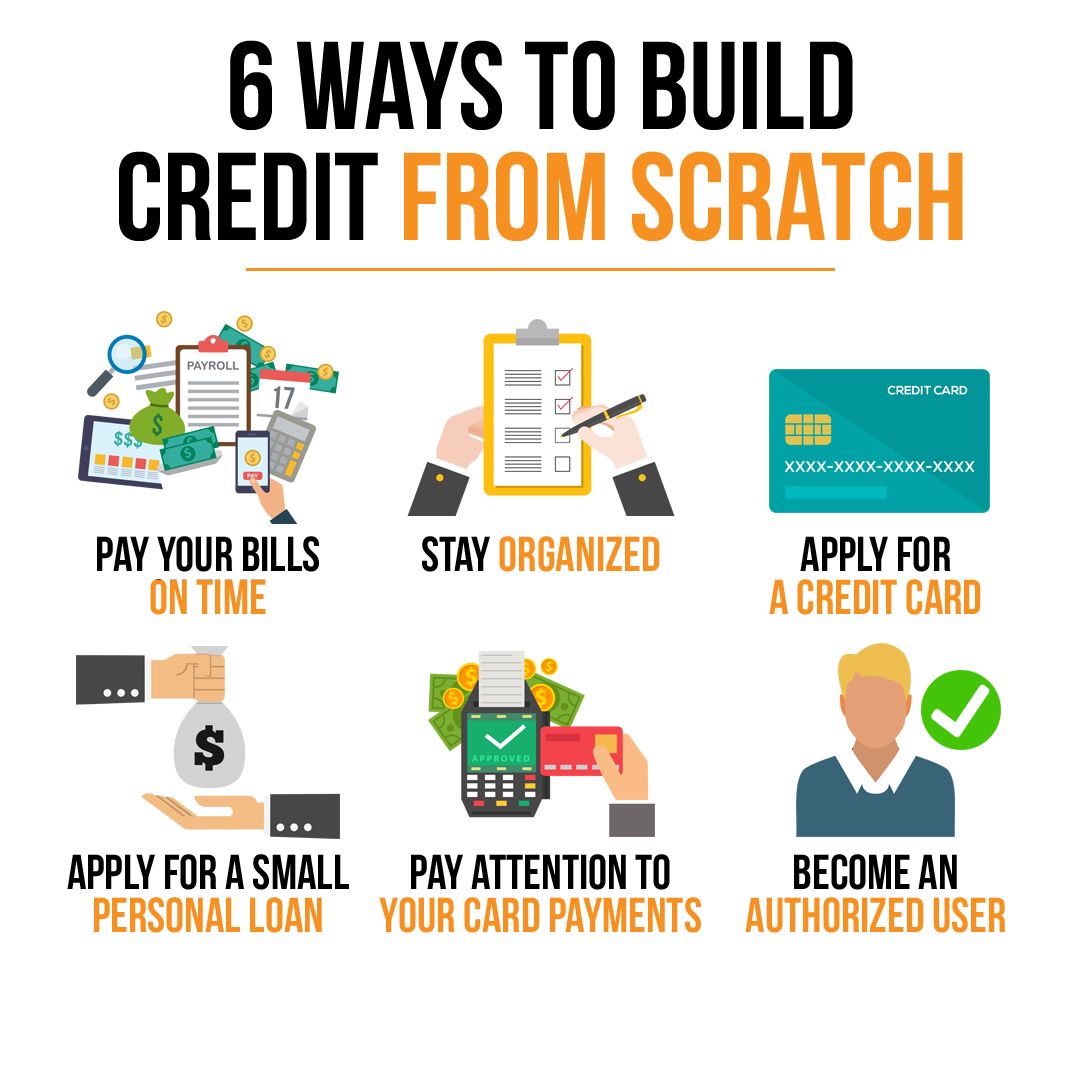
Step 1: The Secured Credit Card (Your Training Wheels)
If you walk into a big bank and ask for a high-limit rewards card with no history, they’ll probably show you the door. That’s where the secured credit card comes in.
A secured card is the most accessible way to build credit from scratch. Here’s how it works:
- You give the bank a deposit (usually $200–$500).
- That deposit becomes your credit limit.
- You use the card for small things: like a tank of gas or a grocery run.
- You pay it off in full every single month.
Because the bank has your deposit, there’s no risk for them. After 6 to 12 months of on-time payments, most banks will "graduate" you to a regular unsecured card and send your deposit back. It’s one of the most effective tools we recommend in our educational resources.
Step 2: Credit Builder Loans
If you aren't a fan of credit cards, or you want to diversify your "credit mix," a credit builder loan is a fantastic Texas-sized secret.
Unlike a traditional loan where you get the money upfront, a credit builder loan works in reverse. The lender (often a local Texas credit union like UFCU or Amplify) puts the loan amount into a locked savings account. You make monthly payments, and the lender reports those payments to the credit bureaus. Once the "loan" is paid off, the money is released to you.
It’s essentially a forced savings plan that builds your credit score at the same time. It's a win-win for any young Texan looking to establish a solid foundation.
Step 3: Understanding the "Rules of the Trail"
Building credit isn't just about having accounts; it’s about how you manage them. If you don't follow the rules, you can end up needing credit repair services before you’ve even turned 25.
The 35% Rule: Payment History
This is the big one. Your payment history makes up 35% of your total score. One late payment (30 days past due) can tank a score by 100 points.
The Pro Tip: Set every single bill to "Autopay." Even if it’s just the minimum payment, make sure the bank gets their money on time, every time.
The 30% Rule: Credit Utilization
This is where most young people get tripped up. Credit utilization is the ratio of how much credit you’re using compared to your limit.
- If your secured card has a $300 limit and you spend $290, your utilization is 96%. This looks "risky" to lenders, even if you pay it off.
- The Goal: Keep your utilization under 30% (under $90 for that $300 card). If you want an "A+" grade, keep it under 10%.

Step 4: The Authorized User Shortcut (The "Family" Method)
If your parents or a trusted family member have a credit card with a long history of on-time payments and a low balance, they can add you as an authorized user.
You don't even need to have a physical card or spend a dime. Their years of good habits will "piggyback" onto your credit report. It can give a young person’s score a significant jump-start. However, be careful: if that family member starts missing payments or maxes out the card, it could hurt your score too. Choose your "trail guides" wisely.
Why "Doing It Yourself" is Only Half the Battle
You can find plenty of tips online about improving your credit, and for many young Texans, the steps above are enough to get started. But the credit system is notoriously complicated and often full of errors.
Here is the reality check:
- DIY is great for starting: Everyone should learn the basics of budgeting and bill-paying.
- Professional help is for strategy: Once you start looking at buying your first home or a new truck, the difference between a 680 and a 740 score can cost you tens of thousands of dollars in interest over the life of a loan.
At Texas Credit Trail, we don't just "fix" things; we educate. We help you navigate the landscape so you don't step into a hole. If you’re already seeing errors on your report or your score isn't moving despite your best efforts, that’s when it’s time to contact a professional.
| Strategy | Speed | Ease of Setup | Long-term Value |
|---|---|---|---|
| Secured Card | Moderate | Easy | High |
| Credit Builder Loan | Slow | Moderate | High (Builds Savings) |
| Authorized User | Fast | Very Easy | Moderate (Depends on Owner) |
| Professional Guidance | Fast | Easy | Very High (Avoids Costly Mistakes) |
The Cost of Inaction
It’s tempting to say, "I’ll worry about my credit when I’m older." But let’s look at the numbers. On a typical $30,000 car loan, a person with "Poor" credit might pay $8,000 more in interest than someone with "Excellent" credit. That’s money that could have been a down payment on a house or a nice vacation.
Delaying your credit build is literally throwing money away.

Final Thoughts for the Young Texan
Building credit from scratch is a marathon, not a sprint. It takes about six months of activity before a FICO score can even be calculated. If you start today, by this time next year, you could be standing on a rock-solid financial foundation.
Stay disciplined, keep your balances low, and never miss a payment. If you run into trouble or just want to make sure you're taking the most efficient path to a 700+ score, we're here to help. You can check out our e-books for deeper dives or reach out for a consultation.
Don't wait for the trail to get steep. Start building your path today.
Ready to take the next step in your financial journey?
Ready to Start Your Credit Journey?
Get personalized credit repair guidance from William Avery
Book Free Consultation