The Young Texan’s Guide to Building Credit From Scratch (Without Going Into Debt)
So, you’ve finally hit that milestone, maybe you just turned 18, graduated from college, or you’re finally ready to stop renting and start looking at a piece of Texas land to call your own. You go to apply for a car loan or a new apartment, and you hit a brick wall: "Thin file" or "No credit history."
It’s a frustrating catch-22. You need credit to get credit, but how do you start if nobody will give you a chance? Worse yet, you’ve probably heard horror stories about people drowning in credit card debt, and you want no part of that.
At Texas Credit Trail, we talk to folks every day who think they have to spend money they don't have just to get a decent score. Here’s the truth: you can build a rock-solid credit foundation without ever paying a cent in interest or carrying a balance. This is the neighborly guide to navigating the credit trail from scratch, the right way.
What is a "Good" Credit Score, Anyway?
Before we start building, we need to know what we’re aiming for. In the world of lending, your credit score is essentially your financial reputation. It tells banks whether you’re a "man of your word" when it comes to paying back what you owe.
Most lenders use the FICO model, which ranges from 300 to 850. Here in Texas, having a score in the "Good" to "Excellent" range is the key to unlocking lower interest rates, which can save you tens of thousands of dollars over your lifetime.
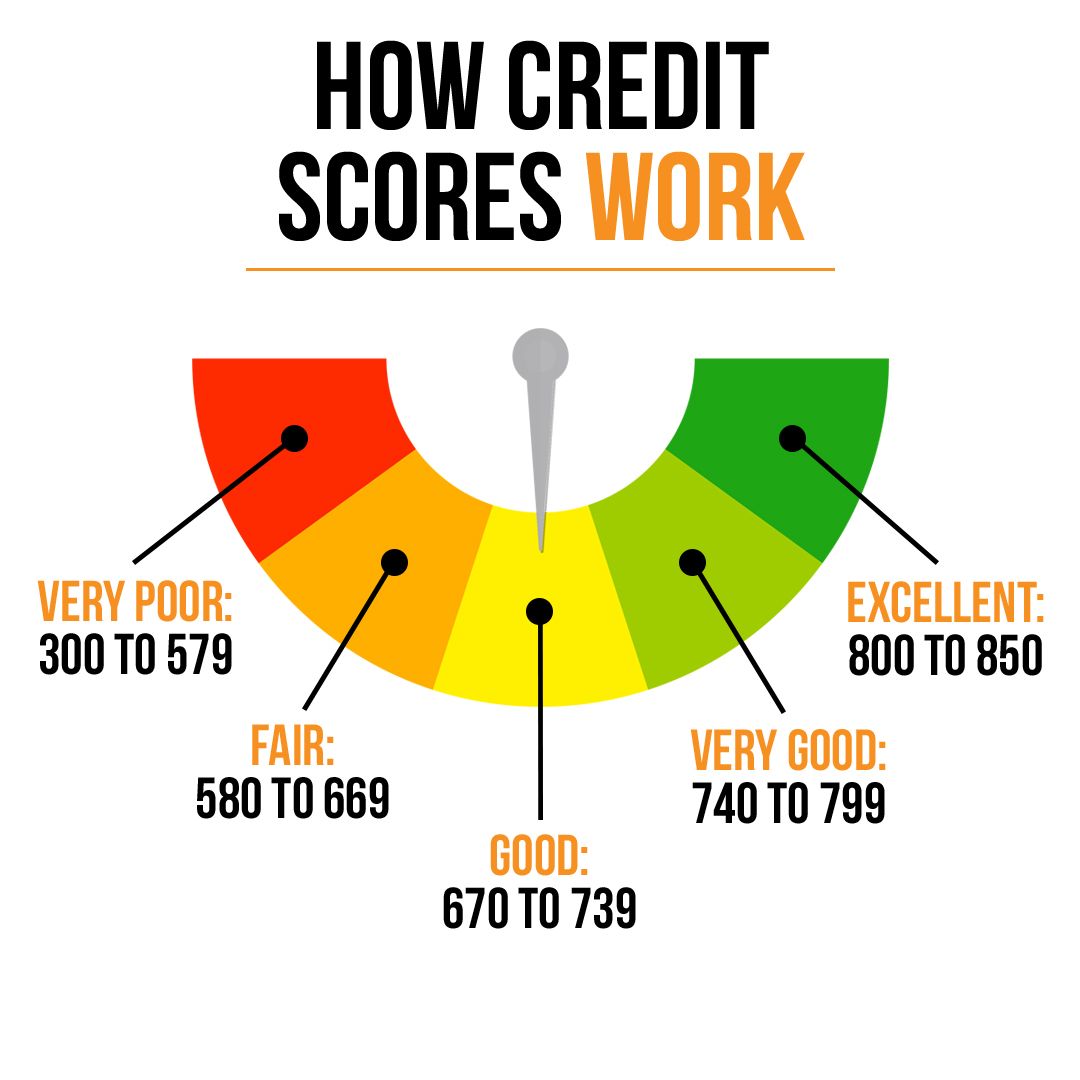
As you can see, the difference between "Fair" and "Very Good" isn't just a label, it's the difference between getting approved for that home in the suburbs or getting a "thanks, but no thanks" from the bank.
"Building credit is like planting an oak tree in the Texas Hill Country; the best time to start was years ago, but the second best time is today. You don't need a massive inheritance to have a great score, you just need a plan and a little patience." , William Avery, Owner of Texas Credit Trail
The Blueprint: How Your Score is Calculated
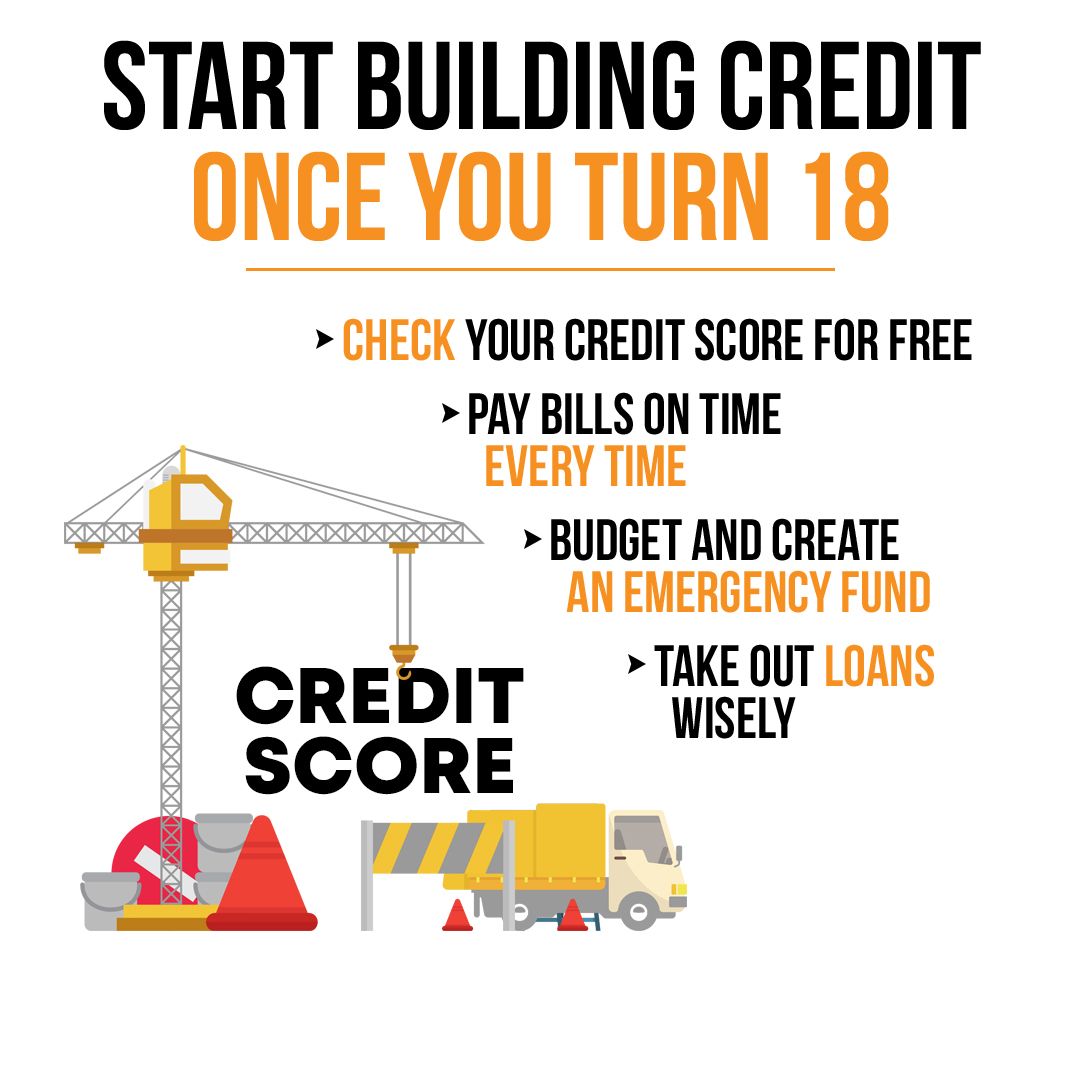
If you want to win the game, you have to know the rules. Your credit score isn't some mystery number pulled out of a hat. It’s based on five specific factors. Understanding these allows you to prioritize your efforts.

- Payment History (35%): This is the heavy hitter. Do you pay your bills on time? Even one 30-day late payment can tank a young score.
- Amounts Owed / Utilization (30%): This is where most people get into trouble. If you have a $1,000 limit and you spend $900, you look "risky" to banks. Keeping this under 10-30% is the goal.
- Length of Credit History (15%): The older your accounts, the better. This is why we recommend starting early.
- Credit Mix (10%): Banks like to see that you can handle different types of credit (like a credit card and a small loan).
- New Credit (10%): Opening too many accounts at once makes you look desperate for cash.
Strategy 1: Use the Bills You’re Already Paying
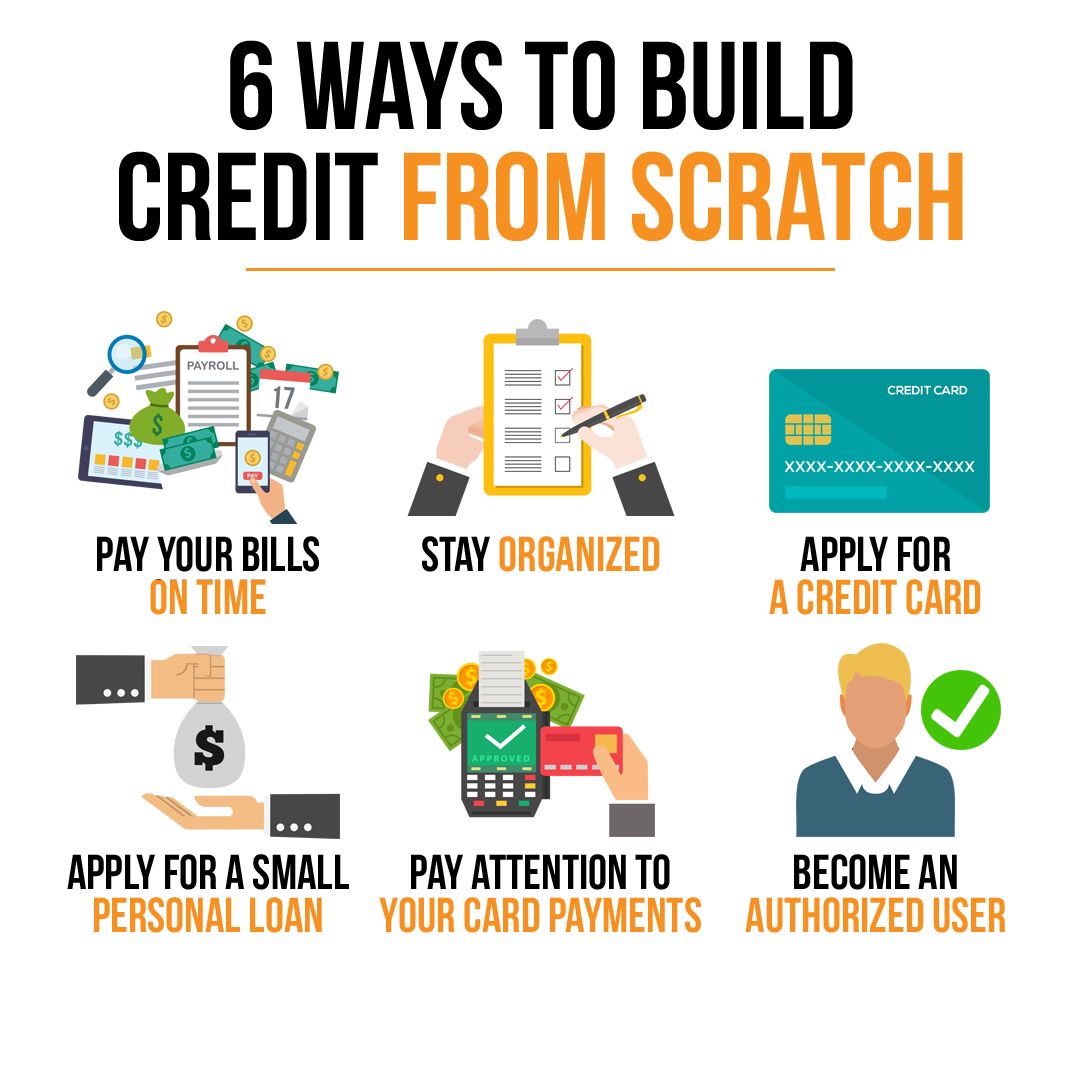
The most common myth is that you need a "loan" to build credit. That’s old-school thinking. Today, you can get credit for the things you’re already paying for.
Rent Reporting
If you’re paying rent to a landlord or a management company, that history usually doesn't show up on your credit report. However, services like Rental Kharma or RentTrack (and even some newer programs offered by apartments) can report those on-time payments to the bureaus. Since rent is likely your biggest monthly expense, getting credit for it is a "no-brainer."
Utility and Phone Bills
Programs like Experian Boost allow you to link your bank account to identify utility, phone, and even streaming service payments (like Netflix or Hulu). If you've been paying your phone bill on time for a year, Experian can add that positive history to your report instantly. It’s free and it only counts the positive data.
Strategy 2: The "Authorized User" Shortcut
If you have a parent or family member with a long history of responsible credit use, they can add you as an Authorized User on one of their older credit cards.
Here’s how it works: You don’t even have to use the card. In fact, they don't even have to give you the physical card. Just by being added to the account, that card’s entire history (the age of the account and the perfect payment record) can be reflected on your credit report. It’s a powerful way to "borrow" someone else’s good reputation to jumpstart your own.
Note: Make sure the person you ask actually has a good history on that specific card. If they miss a payment, it could hurt your score too!
Strategy 3: Credit-Builder Loans (The "Forced Savings" Method)
For young Texans who want to add to their "Credit Mix" without the temptation of a credit card, a Credit-Builder Loan is an excellent tool. You can find these at many local Texas credit unions or through online platforms like Self.
Unlike a traditional loan where you get the money upfront, with a credit-builder loan, the lender puts the "loaned" amount into a locked savings account. You make small monthly payments (say, $25 or $50) for 12 to 24 months. The lender reports these on-time payments to the credit bureaus. Once the term is up, you get the money back (minus a small amount of interest/fees).
It’s essentially a savings account that builds your credit score. You’re not going into debt because the money is already there waiting for you.
Strategy 4: The Secured Credit Card
If you’re ready for a card but worried about overspending, start with a Secured Credit Card. You provide a deposit (usually $200–$500), and that deposit becomes your credit limit.
Because you’ve already provided the cash, the bank takes zero risk, making it very easy for someone with no credit to get approved. Use it once a month for a tank of gas or a grocery run, pay it off in full immediately, and watch your score climb.
Learn more about our recommended credit-building tools on our services page.
The Golden Rules of Debt-Free Growth
Building credit is a marathon, not a sprint. To ensure you stay out of debt while your score goes up, follow these three rules:
- Treat Credit Like Cash: Never buy something on a card that you couldn't pay for with the money currently in your checking account.
- The 10% Rule: Just because your limit is $500 doesn't mean you should spend $500. Try to keep your reported balance under 10% ($50) to maximize your "Credit Utilization" points.
- Automate Everything: Set your bills to autopay. Life gets busy, and forgetting one bill for 30 days can undo a year of hard work.
Why "DIY" Isn't Always Enough
While the steps above are great for starting from scratch, the "credit trail" can get rocky. Sometimes, errors show up on your report that aren't your fault. Other times, identity theft or clerical errors can haunt a young person's record before they’ve even had a chance to use it.
The "Hard Truth" is that the credit bureaus don't always make it easy to fix mistakes. They are multi-billion dollar corporations, and you are just a number to them. This is where professional guidance makes a difference. Knowing how to dispute an error and which laws protect you (like the Fair Credit Reporting Act) is what we specialize in.
If you’ve tried building credit but your score isn't budging, or if you see items on your report that don't belong there, don't wait. The cost of a low credit score: higher insurance premiums, higher interest, and lost opportunities: is far greater than the cost of fixing it.
Take the Next Step
Building credit from scratch is one of the most important adult moves you can make. It’s about more than just numbers; it’s about freedom and the ability to build a future for your family here in the Lone Star State.
Whether you're looking to educate yourself further, grab one of our helpful ebooks, or you need a professional to help you clear the path, Texas Credit Trail is here to help.
Ready to see where your credit stands?
Contact us today for a consultation and let’s get you on the right trail.
Texas Credit Trail is a licensed and bonded credit services organization. We believe in education first and results that last. Check out our latest news for more tips on staying financially healthy in Texas.
Ready to Start Your Credit Journey?
Get personalized credit repair guidance from William Avery
Book Free Consultation