How to Build Credit from Scratch in Texas: 5 Steps for the Next Generation
If you are a young adult in Texas: or the parent of one: you have probably realized that "no credit" can be just as frustrating as "bad credit." Whether you are trying to rent an apartment in Clear Lake, buy a used truck in Pearland, or simply get a cell phone plan without a massive deposit, that three-digit number determines your level of freedom.
In the industry, we call this having a "thin file." To a lender, a person with no credit history is a mystery, and banks generally don’t like mysteries. Here at Texas Credit Trail, we believe that financial literacy is the birthright of every Texan. Building credit from scratch isn't about getting into debt; it’s about building a reputation for reliability.
If you’re starting from zero, here is the professional roadmap to building a top-tier credit score right here in the Lone Star State.
The Reality of the "Invisible" Texan
Before we dive into the steps, let’s talk about why this matters. Many families believe that "staying out of debt" is the smartest move. While avoiding high-interest debt is a great goal, avoiding the credit system entirely leaves you "credit invisible." According to recent data, millions of Americans lack enough credit history to even generate a score.
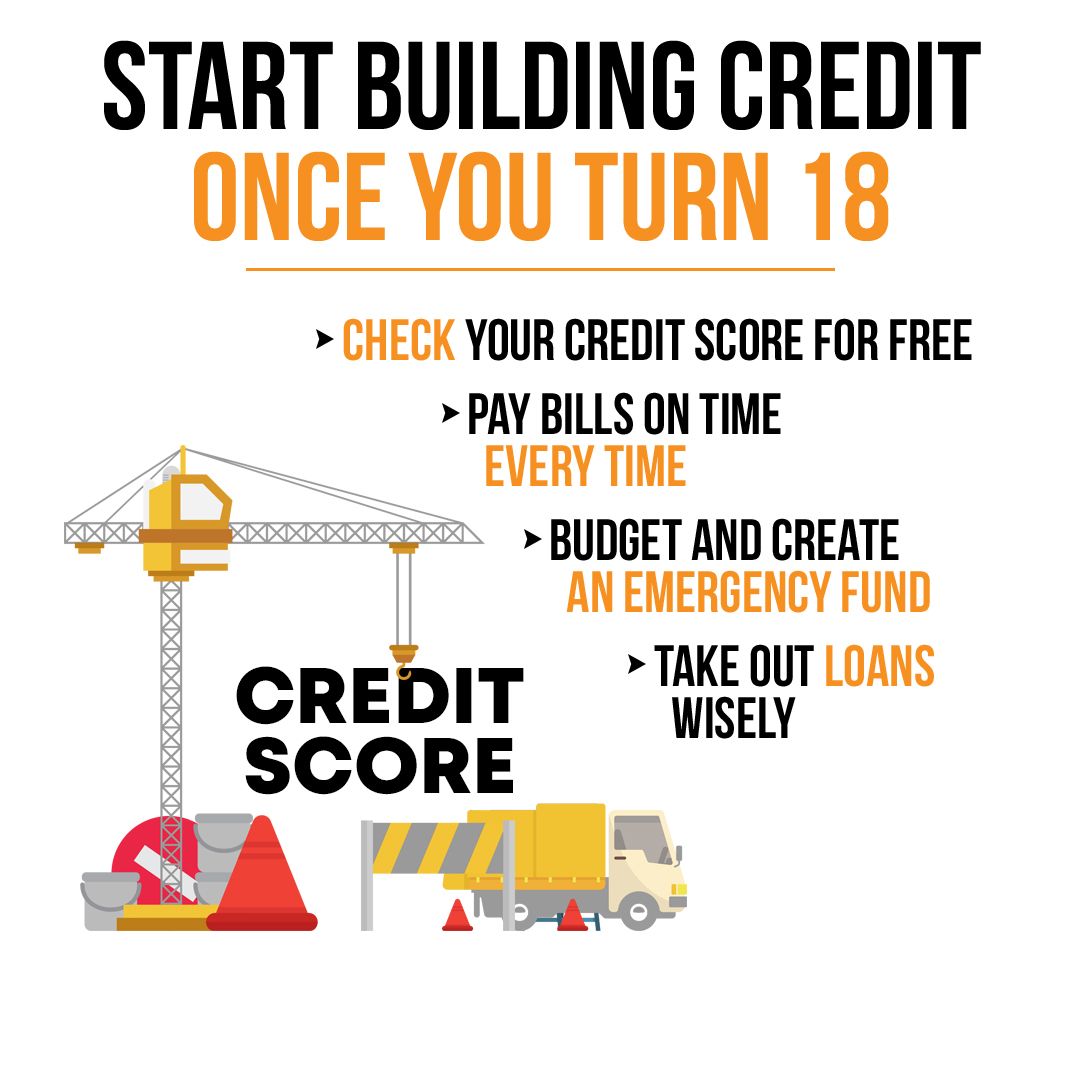
When you decide it’s finally time to buy a home or start a business, the cost of not having credit is paid in sky-high interest rates or flat-out denials. Building credit early: ideally starting at age 18: saves you tens of thousands of dollars over your lifetime.
"I’ve seen too many hardworking Texas families get turned away from their dream homes because their children, now grown, have no credit history. Building a score is like planting an oak tree; the best time to do it was years ago, but the second best time is today." : William Avery, Owner of Texas Credit Trail
Step 1: Save Your "Skin in the Game" (The Initial Deposit)
To build credit when no one will give you a loan, you have to prove you have some "skin in the game." Most starter credit products require a security deposit.
Before you apply for anything, set aside $200 to $500. This isn't a fee; it's collateral. In Texas, we value a man's word, but in the banking world, they value a cash reserve. This deposit will sit in a locked account while you use a secured credit card or loan. If you manage the account well, you get that money back in a year or so.
Step 2: Apply for a Secured Credit Card or Credit Builder Loan
Once you have your deposit, you have two primary paths.
The Secured Credit Card
A secured card works exactly like a regular credit card, but your limit is usually equal to your deposit. If you put down $300, your limit is $300. You use it for small things: like a tank of gas or a grocery run: and pay it off in full every month.
The Credit Builder Loan
Many Texas credit unions and local banks offer "Credit Builder Loans." This is essentially a savings account in reverse. You "borrow" $1,000, but the bank holds it in a CD (Certificate of Deposit). You make monthly payments of $50 or $100. Once the loan is paid off, the bank releases the $1,000 to you. Every one of those payments is reported to the credit bureaus, building your history without you ever actually being "in debt."
You can learn more about these specific tools on our Education page.
Step 3: Master the "30% Rule" (Credit Utilization)
One of the biggest mistakes young Texans make is thinking that a $300 limit means they should spend $300. Do not do this.
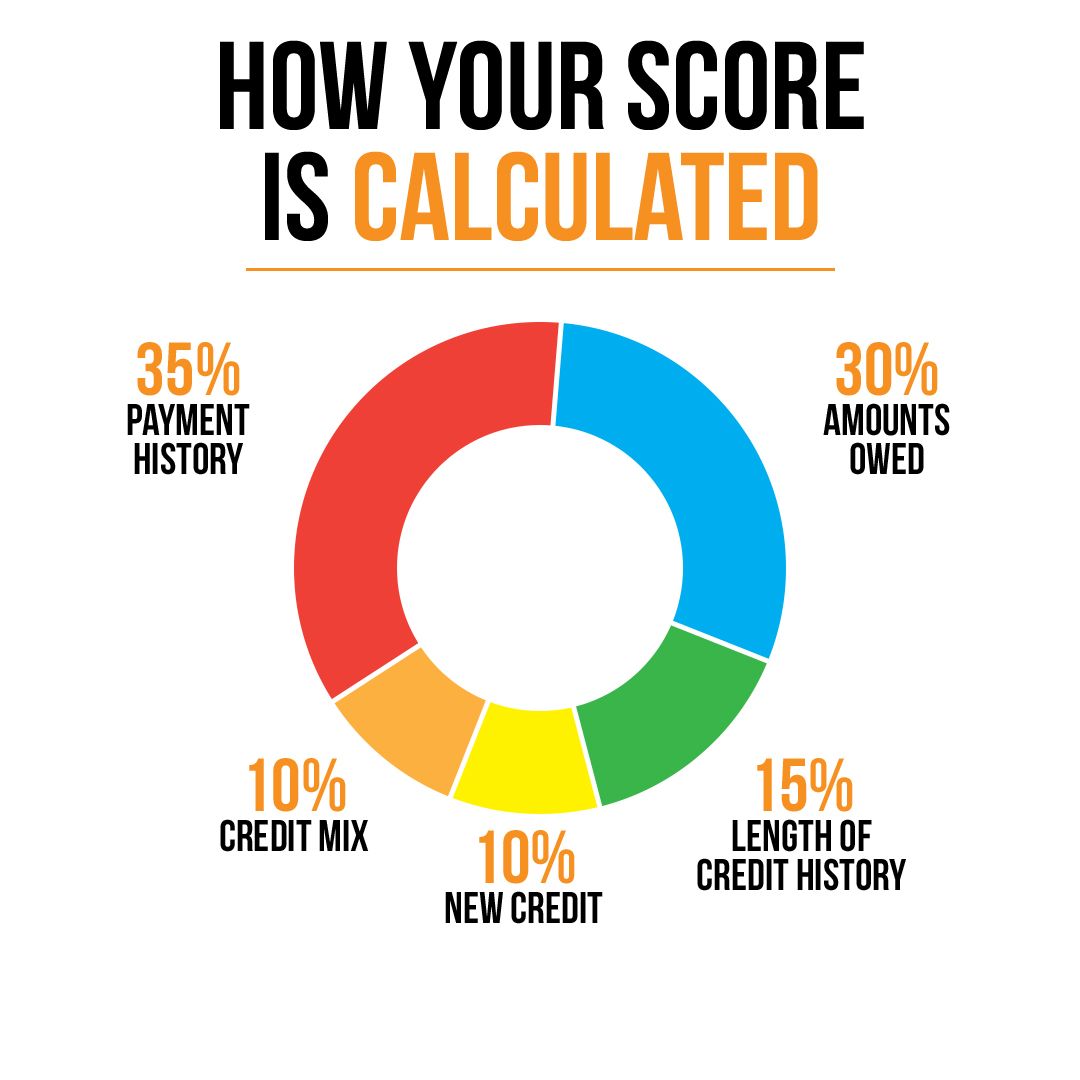
Your "Credit Utilization Ratio" is the second most important factor in your score (30% of the total). If you have a $300 limit and you spend $290, the credit bureaus see you as "maxed out" and risky.
The Insider Trick: Keep your balance below 30% of your limit at all times. If you want an "A+" score, keep it under 10%. On a $300 card, that means never letting your statement show a balance higher than $30. Pay it off as soon as you use it.
Step 4: Automate Your On-Time Payments
Your payment history makes up 35% of your credit score. A single late payment (30 days past due) can tank a brand-new score by 100 points or more. In the early stages of building credit, your score is fragile.
Set up "Auto-Pay" for the minimum amount due, at the very least. However, as an expert guide, I recommend paying the full statement balance every month. This ensures you never pay a dime in interest. You are using the bank's system to build your reputation for free.
Step 5: Graduate to Unsecured Credit and Diversify
After about 6 to 12 months of perfect behavior, your "thin file" will start to look a lot thicker. This is when you should see your score move into the "Good" range (670-739).
At this point, you can:
- Request a Graduation: Ask your secured card issuer to convert your card to an "unsecured" card and return your deposit.
- Diversify: The credit bureaus like to see a "Credit Mix." If you only have a card, maybe it’s time for a small installment loan.
- Monitor: Use tools to watch your report for errors. Mistakes happen, and in the world of credit, a mistake by a bank can cost you money.

Myth vs. Reality: Why DIY Isn't Always Enough
A common myth we hear in the Bay Area is that "Building credit is easy, you just pay your bills."
The Reality Check: While the steps above are technically possible to do on your own, life often gets in the way. A forgotten medical bill from a Texas ER visit or a "zombie" utility bill from an old apartment can appear on your report and destroy your hard work before you even get started.
Furthermore, many "starter" cards marketed to young people are "predatory": they charge massive annual fees and don't actually report to all three bureaus. If you aren't reporting to Equifax, Experian, and TransUnion, you aren't building credit; you're just spending money.
How Texas Credit Trail Helps the Next Generation
We don't just "fix" bad credit; we guide families through the process of establishing a legacy of financial strength. For families in the Clear Lake and surrounding areas, we provide a localized, neighborly approach that big national "credit repair" factories can't match.
We help you:
- Identify which local Texas institutions offer the best starter products.
- Monitor your report for "identity thinness" errors.
- Ensure that your early efforts aren't being undermined by hidden collections.
| DIY Building | Professional Guidance |
|---|---|
| Guessing which cards to apply for | Data-driven recommendations |
| Risking "hard inquiries" that drop your score | Strategy to minimize score impact |
| Navigating complex bureau disputes alone | Expert handling of reporting errors |
| Months of trial and error | A clear, 3-6 month roadmap |
If you are ready to stop being "invisible" to lenders and start building a foundation that will support your future home, car, and business goals, we are here to help. Don't wait until you need the credit to start building it. The best time to start is when you don't need it at all.
Ready to start your journey?
Stop guessing and start growing. Let’s get your credit trail blazed correctly from day one.
Click here to Book Your Credit Evaluation and Start Your Journey Today
Texas Credit Trail is a licensed and bonded credit services organization dedicated to educating Texas families and providing professional credit restoration services.
Ready to Start Your Credit Journey?
Get personalized credit repair guidance from William Avery
Book Free Consultation