The Young Texan’s Guide to Building Credit from Scratch (Without Going into Debt)
If you’re a young adult in Texas or a parent looking to help your teenager get a head start, you’ve likely run into the classic "Catch-22" of the financial world: you need a credit score to get a loan or a credit card, but you can’t get a credit score without having a loan or a credit card. It feels a bit like trying to get an "entry-level" job that requires five years of experience.
The good news? You don't have to go into debt to build a solid credit foundation. In fact, some of the best ways to build credit from scratch involve spending very little money or just using the money you already spend on things like rent and utilities.
At Texas Credit Trail, we believe that education is the first step toward financial freedom. Before you go out and apply for every "pre-approved" offer that hits your mailbox, let’s walk through how this system actually works and how you can master it.
What Exactly is a "Good" Credit Score?
Before we talk about how to build it, we need to know what we’re aiming for. In the United States, most lenders use the FICO scoring model. This score ranges from 300 to 850.
A "good" credit score is generally anything above 670. If you can climb into the "Very Good" (740+) or "Excellent" (800+) range, you’ll find that life gets a whole lot cheaper. You’ll qualify for the lowest interest rates on car loans, get approved for the best apartments without huge deposits, and eventually, save tens of thousands of dollars on a home mortgage.
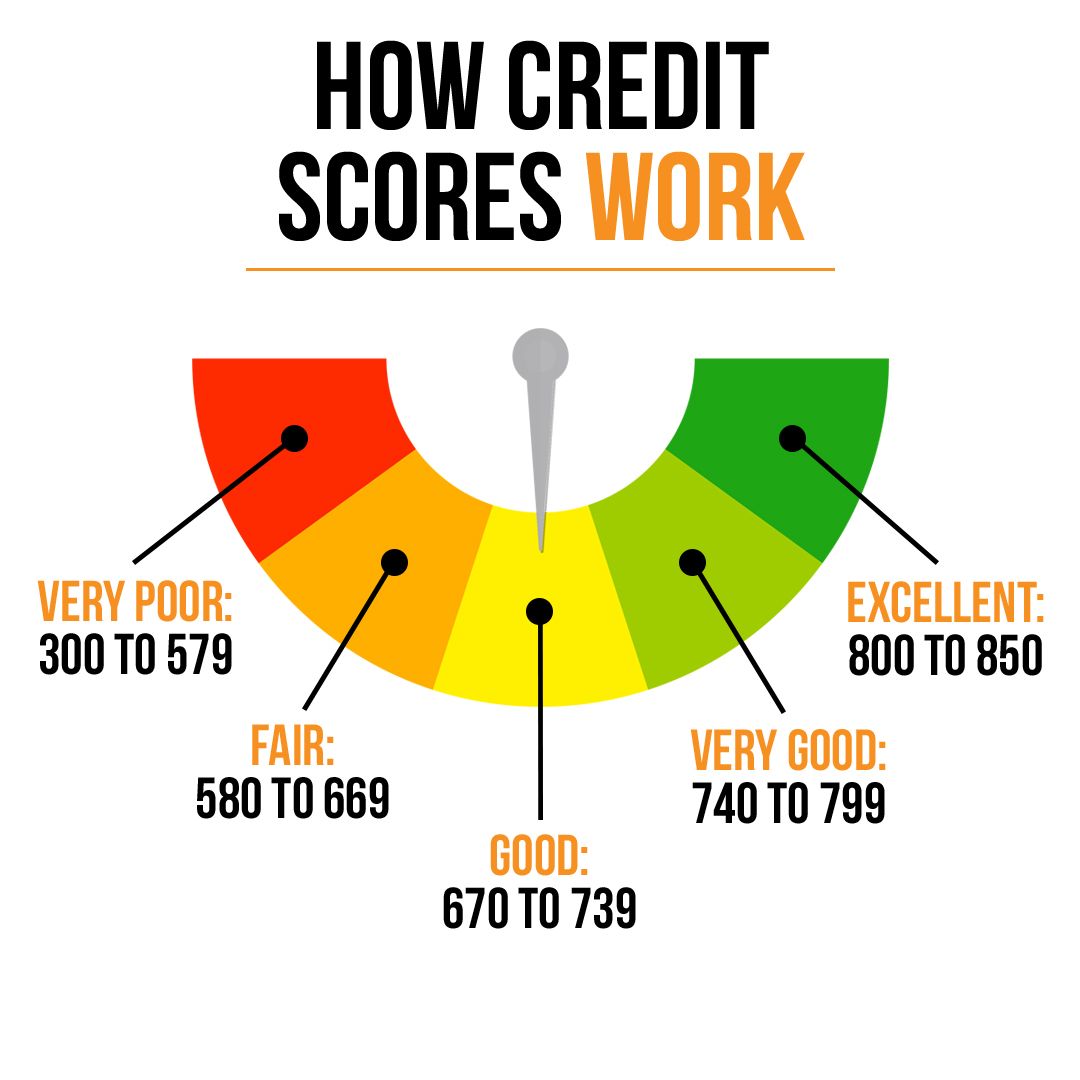
As you can see, where you fall on this spectrum dictates your financial "reputation." When you're starting from scratch, you don't have a bad score: you usually have no score (which the bureaus call being "credit invisible"). Our goal is to move you from invisible to "Good" as efficiently as possible.
How the "Score Pie" is Sliced
To build credit without getting into trouble, you have to understand what makes the needle move. Most people think having a lot of money in the bank helps your credit score. The truth? The credit bureaus don’t care how much you have in savings. They only care about how you handle borrowed money.
FICO calculates your score based on five main categories:
- Payment History (35%): Do you pay on time? Every time?
- Amounts Owed / Credit Utilization (30%): How much of your available credit are you actually using?
- Length of Credit History (15%): How long have your accounts been open?
- Credit Mix (10%): Do you have different types of credit (cards, loans, etc.)?
- New Credit (10%): How many times have you applied for credit recently?

"Most folks think they need to carry a balance and pay interest to improve their score. That is a total myth. You can have a perfect 850 score without ever paying a dime in interest to a credit card company. The secret isn't in how much you owe; it's in showing you can be trusted with the limit you're given." : William Avery, Owner of Texas Credit Trail
Step 1: Become an Authorized User (The Fast Track)
The quickest way to jumpstart a credit file is to "piggyback" off someone else’s good habits. If you have a parent or family member with a long-standing credit card account and a perfect payment history, they can add you as an authorized user.
When they do this, that entire account’s history: sometimes going back a decade or more: gets added to your credit report. You don't even need to have the physical card in your hand. Just being listed on the account can instantly give you a credit score.
The Catch: This only works if the primary cardholder is responsible. If they miss a payment or max out the card, it could hurt your score too. Always make sure the account you're joining has low credit utilization and no late payments.
Step 2: Credit Builder Loans (The Forced Savings Move)
If you don't want a credit card yet, or if you don't have someone to add you as an authorized user, a credit builder loan is a fantastic Texas-friendly option.
Many local credit unions and online platforms (like Self or Kikoff) offer these. Here’s the "magic" of how they work:
- You "borrow" a small amount, say $1,000.
- The bank doesn't give you the money. Instead, they put it in a locked savings account.
- You make monthly payments (perhaps $50 a month) for a year.
- The bank reports every single one of those payments to the credit bureaus.
- At the end of the term, the bank releases the $1,000 to you.
You’ve effectively built a "Payment History" (the biggest part of your score) while simultaneously building a small emergency fund. It’s a win-win for any young Texan starting out.

Step 3: The Secured Credit Card (The Training Wheels)
A secured credit card is different from a regular card because it requires a refundable security deposit. If you put down a $200 deposit, your credit limit is usually $200. Since the bank has your deposit, there’s no risk to them, making these very easy to get even with zero credit.
The key here is to use the card for one small thing: like a Netflix subscription or a tank of gas: and pay it off in full every single month. This keeps your credit utilization low and your payment history perfect.

Master the Rule of Credit Utilization
If there is one thing that trips up young people more than anything else, it’s credit utilization. This is the ratio of your credit card balance to your credit limit.
If you have a $500 limit and you spend $450, your utilization is 90%. Even if you pay it off in full at the end of the month, the credit bureaus might see that 90% and think you're in financial trouble.
Pro Tip: To maximize your score, keep your utilization under 10%. If your limit is $500, try not to let more than $50 show up on your monthly statement. You can learn more about managing these ratios on our services page.
Using "Alternative Data" to Your Advantage
In the old days, things like your phone bill, your rent, and your electric bill didn't count toward your credit score. That’s changing.
Tools like Experian Boost or Experian Go allow you to link your bank account so the credit bureau can see your on-time utility and streaming service payments. For someone building from scratch, this can add points to your score almost overnight.
There are also services that report your rent payments to the bureaus. Since rent is usually a Texan's largest monthly expense, getting credit for paying it on time is a massive advantage.
Common Pitfalls to Avoid
As you start your journey, keep these "Texas Truths" in mind:
- Don't apply for too much at once: Every time you apply for credit, it creates a "hard inquiry" on your report. Too many of these in a short time can make you look desperate for cash, which scares lenders.
- The "No Credit" Myth: Some people believe that staying away from banks entirely is the "safe" way to live. While avoiding debt is great, having no credit history can be just as expensive as having bad credit when you eventually need a home or a car.
- Closing Old Accounts: Once you get your first "starter" card, keep it open forever. The "Length of Credit History" accounts for 15% of your score. Closing your oldest account can actually make your score drop.
The Bottom Line
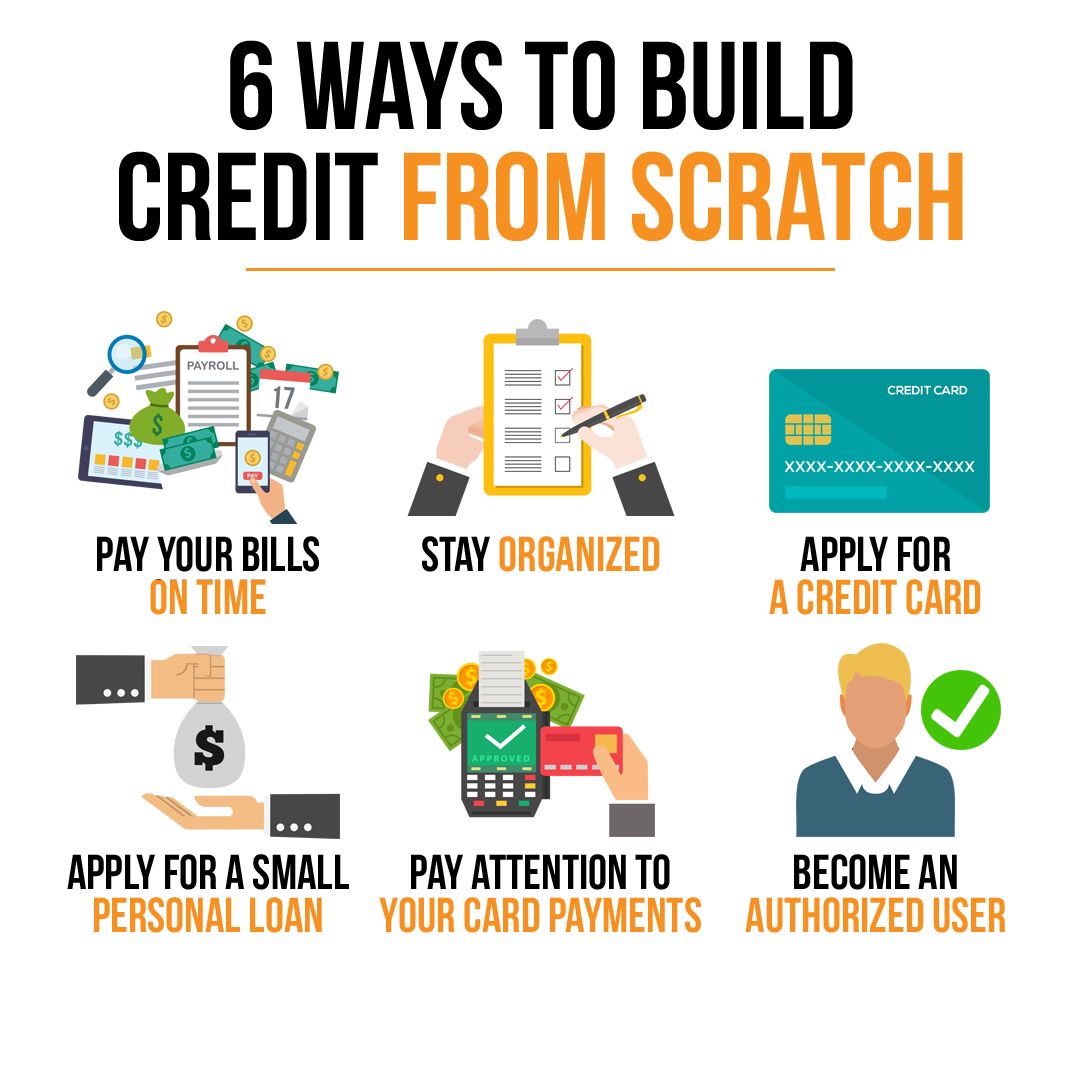
Building credit from scratch isn't about spending money you don't have or paying high interest rates. It’s about being strategic. By using authorized user status, credit builder loans, and keeping your utilization low, you can build a powerhouse score before you even graduate college or buy your first home.
However, we know the system can be confusing. If you’ve already hit a few bumps in the road or you're finding that errors on your report are holding you back, you don't have to navigate the trail alone.
At Texas Credit Trail, we help families across the Lone Star State understand their rights and fix the errors that keep their scores down. Whether you're looking for educational resources or professional help navigating the bureaus, we're here to guide you.
Ready to take the next step?
Contact us today for a consultation, and let's get you on the path to the "Excellent" range. Your future self: and your wallet( will thank you.)
Ready to Start Your Credit Journey?
Get personalized credit repair guidance from William Avery
Book Free Consultation