Credit Scores in 2026: What Clear Lake Families Need to Know Right Now
If you’ve spent any time driving down NASA Parkway or visiting the boardwalk in Kemah lately, you know that the Clear Lake and Bay Area landscape is changing fast. But what’s changing even faster, and often behind closed doors, is how banks and lenders view your financial "reputation."
It is officially April of 2026, and the rules of the credit game have shifted significantly over the last 24 months. If you’re a Texas family looking to upgrade to a larger home in League City, or if you’re a parent in Seabrook helping your recent graduate buy their first car, the credit score advice you followed in 2020 or even 2023 might actually be hurting you today.
At Texas Credit Trail, we believe education is the first step toward financial freedom. We aren’t just here to "fix" numbers; we’re here to help you navigate the modern financial trail.
"In 2026, a credit score isn't just a snapshot of today; it's a story of your last two years. Lenders are looking deeper than ever before, and if you aren't prepared for the new 'trended data' models, you're going to pay for it in interest rates." , William Avery, Owner of Texas Credit Trail
The "Big Shift": What’s Different in 2026?
For decades, credit scores were essentially a "snapshot." A lender would look at your report and see what you owed right now. In 2026, we are fully in the era of FICO 10T and VantageScore 4.0.
The "T" in FICO 10T stands for Trended Data.
Lenders are no longer just looking at your current balances. They are looking at your trajectory over the past 24 months. They want to know: Are you slowly paying down your debt, or are you slowly accumulating it? Are you a "transactor" (someone who pays their balance in full every month) or a "revolver" (someone who carries a balance)?
If you're a "revolver" in 2026, even if you make your payments on time, the new scoring models might penalize you more heavily than they did five years ago.
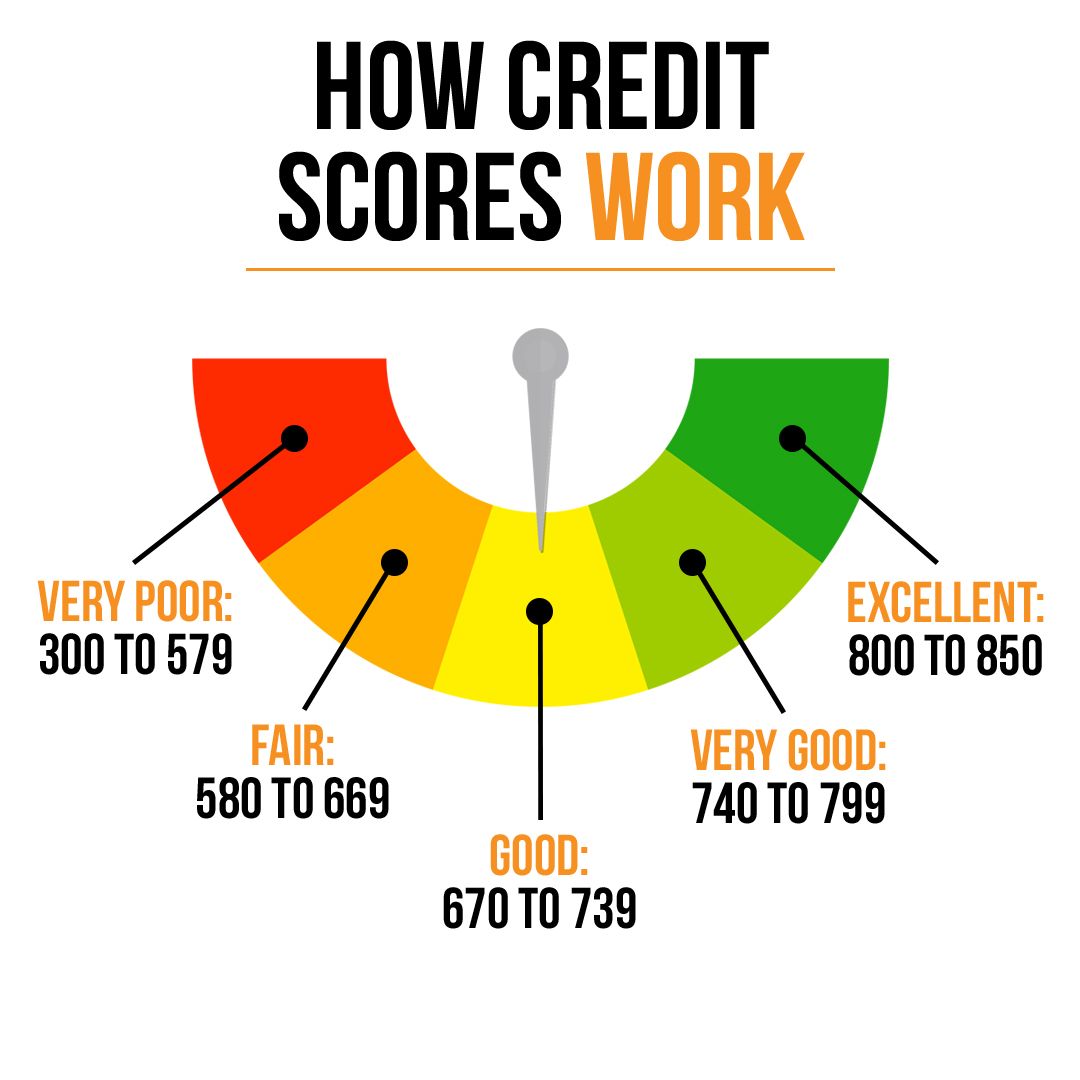
Why Clear Lake Families are Feeling the Pinch
The Bay Area housing market remains competitive. With home prices in neighborhoods like Pine Brook or Bay Forest holding steady, the difference between a 6.5% interest rate and a 7.5% interest rate isn't just a few bucks, it’s tens of thousands of dollars over the life of a loan.
If your score is sitting in the "Fair" range (580–669), you are likely paying what we call the "Credit Tax." This is the extra money you're forced to spend on interest, deposits, and insurance premiums simply because your score isn't optimized for 2026 standards.
The New Breakdown: How Your Score is Calculated Today
To move forward, you have to understand the map. The fundamental components of your credit score remain similar, but the weight and the way they are analyzed have evolved.

- Payment History (35%): Still the king. However, in 2026, "alternative data" like rent payments and utility bills are becoming standard. For many Texas families, this is a huge win, if you've been paying your Clear Lake apartment rent on time for years, that can finally work in your favor.
- Amounts Owed / Utilization (30%): This is where most people trip up. The old advice was to keep your utilization under 30%. In 2026, the elite "Good" and "Excellent" scores usually belong to those who keep their utilization under 10%.
- Length of Credit History (15%): Longevity matters. Don't close those old accounts just because you don't use them!
- Credit Mix (10%): Lenders like to see that you can handle different types of debt, a mortgage, a car loan, and a credit card.
- New Credit (10%): Be careful with those "10% off if you open a card today" offers at the mall. Too many inquiries in a short window still signal desperation to the 2026 algorithms.
The Hard Truth About DIY Credit Repair
We talk to families every day who have tried the "DIY" route. They spend hours on forums, download templates they found on social media, and mail off dozens of dispute letters.
Here’s the reality check: The credit bureaus have upgraded their systems too. In 2026, AI-driven automated systems at Experian, Equifax, and TransUnion are better than ever at spotting "template" disputes. If your dispute looks like a form letter, it’s often dismissed as "frivolous" before a human eye ever sees it.
Is it possible to do it yourself? Technically, yes.
Is it efficient for a busy Texas family? Rarely.
Most people who try the DIY route end up in a "one step forward, two steps back" cycle. They might get one collection removed, but their score stays stagnant because they haven't addressed the underlying "Trended Data" issues or high utilization.

3 Simple Steps to Improve Your Score Right Now
If you’re feeling the pressure of a looming move or a needed vehicle upgrade, here are three things you can do this week to start moving the needle:
1. Audit Your "Trended Data"
Look at your credit card statements from the last six months. Are your balances gradually increasing? Even if you’re staying under your limit, that upward trend is a red flag in 2026. Make a plan to reverse the trend, even if it’s only by $50 a month. The direction of the debt matters as much as the amount.
2. Opt-In for Rent and Utility Reporting
If you’re currently renting in the Bay Area, check if your landlord or property management company reports to the bureaus. If they don’t, there are services (and we can guide you through these) that allow you to self-report these positive payments. This is the fastest way to build "payment history" without taking on new debt.
3. Stop the Myth of the "Self-Check"
One of the biggest hurdles we see is the fear of looking. Many Texans believe that checking their own credit score will lower it.

This is 100% false. Checking your own report is a "soft inquiry" and has zero impact on your score. In 2026, with identity theft and reporting errors at an all-time high, not checking your credit is the real risk.
Why Professional Guidance Matters in 2026
At Texas Credit Trail, we don't just send letters. We look at your entire financial picture. We understand the specific lending environment in Texas and the Clear Lake area.
When you work with a professional, you aren't just paying for "deletions." You are paying for a strategy. We help you identify which debts to pay first, how to restructure your utilization to satisfy the FICO 10T models, and how to build a profile that lenders actually want to say "yes" to.
"The difference between a 640 and a 720 isn't just a number. It's the difference between a 'maybe' and a 'definitely.' It's the difference between a cramped apartment and a backyard for your kids. My goal is to make sure no Texas family pays more than they have to for the life they deserve." : William Avery
This is for you if:
- You’re a Clear Lake family planning to buy a home in the next 6–12 months.
- You’ve been denied a car loan or given an interest rate that made your jaw drop.
- You have "ghost" credit (no history) and don't know where to start.
- You have old collections or late payments that are dragging you down.
This is NOT for you if:
- You’re looking for an overnight "magic wand" to erase legitimate, recent debts.
- You aren't willing to follow a strategic plan to maintain your results.
Start Your Journey on the Texas Credit Trail Today
The cost of waiting is higher than ever. Every month you spend with a sub-par credit score is money wasted on high interest and missed opportunities. In the time it took you to read this article, you could have already taken the first step toward a higher score.
Don't let another year of "trended data" work against you. Let's get you on the right path.
Ready to see what's possible for your family?
Click here to book your consultation and start your credit journey today!
Texas Credit Trail is a Texas-based credit education and restoration firm. We are proud to serve families across the Lone Star State with transparency, integrity, and results.
- Website: www.texascredittrail.com
- Services: View Our Services
- Education: Learn More About Credit
Ready to Start Your Credit Journey?
Get personalized credit repair guidance from William Avery
Book Free Consultation