Building Credit from Scratch 101: A Young Texan’s Guide to Mastering Your Financial Future
If you’ve ever tried to rent your first apartment in Austin, buy a used truck in Houston, or apply for a rewards card to help with those weekend trips to the coast, you’ve probably run into a frustrating "chicken and egg" problem. You need credit to get credit, but nobody wants to give you credit because you don’t have any.
Welcome to the world of "thin files" and "no-score" reports. It’s a rite of passage for many young Texans, but it doesn't have to be a permanent roadblock. Here at Texas Credit Trail, we believe that understanding how the system works is the first step toward mastering it. Building credit from scratch isn't about spending money you don’t have; it’s about proving you can be trusted with the money you do have.
What Exactly is a "Good" Credit Score?
Before we start building, we need to know what we’re aiming for. In the world of finance, your credit score is essentially your "financial GPA." It tells lenders how likely you are to pay back a loan on time. Most lenders use the FICO score model, which ranges from 300 to 850.
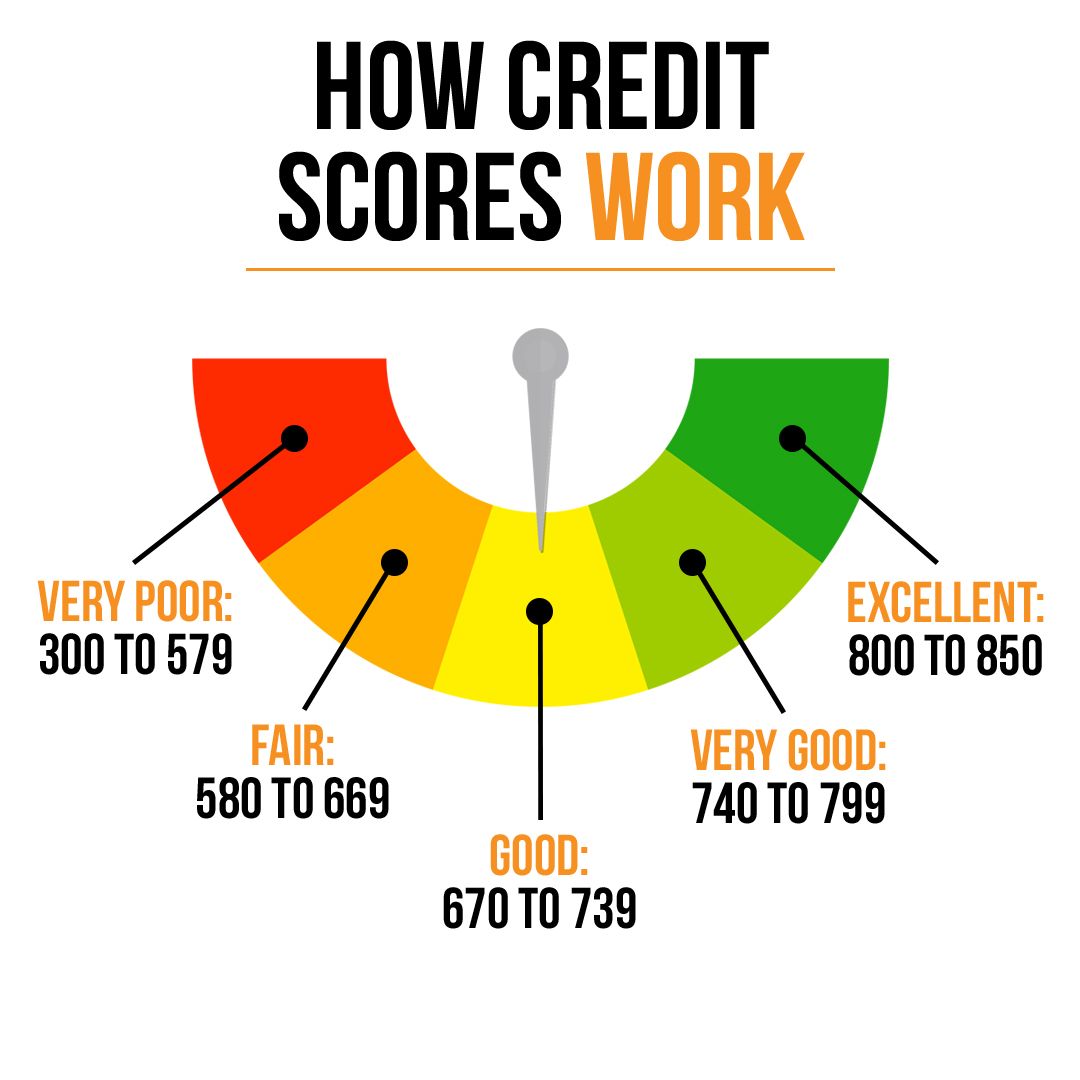
As you can see from the chart above, there’s a wide spectrum. If you’re starting from zero, you don't even have a "Very Poor" score: you simply don't have a score at all. Your goal is to cross that "Good" threshold (670+) as quickly as possible. Why? Because a good score saves you thousands of dollars in interest over your lifetime. It’s the difference between a 4% interest rate on a car and a 19% rate that eats your paycheck alive.
"A lot of folks think credit is a trap designed to keep you in debt. The truth is, credit is a tool. When you learn how to use it properly, it opens doors that would otherwise stay locked. My mission is to make sure every young Texan knows how to turn that key." : William Avery, Owner of Texas Credit Trail
The Blueprint: How Your Score is Calculated
Building credit without knowing the formula is like trying to bake a cake without a recipe. You might get lucky, but you'll probably end up with a mess. The bureaus look at five main factors to determine your worthiness.
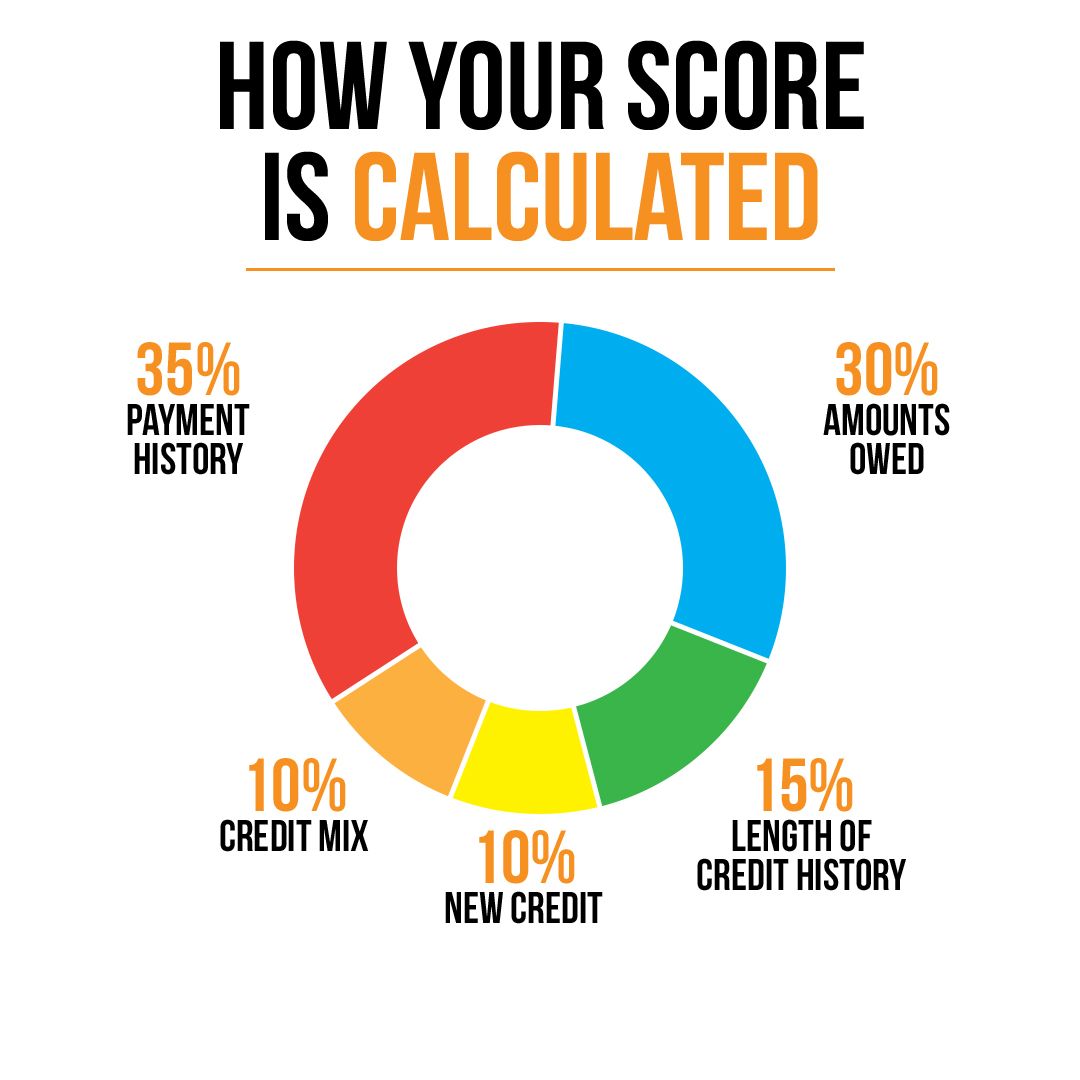
- Payment History (35%): This is the big one. Have you paid your bills on time? Every single month?
- Amounts Owed / Credit Utilization (30%): How much of your available credit are you using? (Hint: Keep it under 30%).
- Length of Credit History (15%): How long have your accounts been open?
- Credit Mix (10%): Do you have different types of credit (like a card and a car loan)?
- New Credit (10%): How many times have you applied for credit recently?
If you want to dive deeper into these mechanics, our Education Page has some great resources to get you up to speed.
Step 1: The "Authorized User" Shortcut
If you’re starting at age 18 or 19, the fastest way to get a score on the board is to "piggyback" off someone else’s good habits. This means becoming an authorized user on a parent’s or relative’s credit card.
When you become an authorized user, that person’s credit history for that specific card gets added to your credit report. If your dad has had a card for 10 years and has never missed a payment, suddenly your report shows 10 years of perfect history. You don't even need to physically have the card or spend a dime of their money. Just make sure the person you're asking has a low balance and a flawless payment record, or this can backfire.
Step 2: Secured Credit Cards (The Training Wheels)
If the authorized user route isn't an option, a secured credit card is your best bet. Unlike a standard card, a secured card requires a cash deposit: usually around $200 to $500. This deposit acts as your credit limit and serves as collateral for the bank.
You use it like a regular card: buy gas, pay it off. Buy groceries, pay it off. After 6 to 12 months of on-time payments, most banks will "graduate" you to an unsecured card and give your deposit back. It’s a safe, effective way to prove you’re responsible.
Step 3: Credit Builder Loans
Another Texas-favorite for building a foundation is the credit builder loan. These are often offered by local credit unions and smaller banks. Instead of getting the money upfront, the lender puts the "loaned" amount into a locked savings account. You make monthly payments (which are reported to the credit bureaus), and once the loan is paid off, you get the money plus a little bit of interest.
It’s essentially a forced savings plan that builds your credit score at the same time. It checks the "Credit Mix" box on your score breakdown because it's considered an installment loan, not a revolving credit line like a card.
Mastering Credit Utilization
One of the biggest mistakes young Texans make is thinking that as long as they pay their bill, it doesn't matter how much they spend. Credit utilization is the ratio of your outstanding balance to your total credit limit.
If your secured card has a $300 limit and you spend $290 on it, your utilization is 97%. Even if you pay it off in full the next day, the credit bureaus might see that high percentage and think you're overextended.
Pro-tip: Keep your utilization under 10% for the best results, and never go over 30%. On a $300 limit, that means never letting more than $30-$90 show up on your monthly statement.
The "Hard Truth" About New Applications
When you’re excited about building credit, it’s tempting to apply for every "store card" or "student card" that comes your way. Stop right there. Every time a lender pulls your credit report for an application, it’s called a "Hard Inquiry."
One or two won't hurt much, but five or six in a short period can tank a brand-new score. It makes you look desperate for cash. Be selective. Research the cards you're most likely to qualify for before you hit "submit." If you're unsure where you stand, checking your offers through pre-qualification tools is a much safer bet.

Myth vs. Reality: What You Might Have Heard
There’s a lot of "barbecue pit" advice out there that’s just plain wrong. Let’s clear a few things up:
- Myth: Carrying a balance from month to month helps your score.
- Reality: This is a lie that costs you money. Paying your balance in full every month is the best way to build credit and avoid interest.
- Myth: Checking your own score hurts it.
- Reality: Checking your own score is a "Soft Inquiry" and has zero impact. You should be checking it regularly via the major bureaus or apps to stay organized.
- Myth: You have to be in debt to have good credit.
- Reality: You can have an 800 score without ever paying a cent in interest. It’s about the available credit you have and how you manage it, not how much you owe.
Why Starting Now Matters (The Cost of Delay)
Waiting until you "need" a loan to start building credit is like waiting until you're thirsty to start digging a well. By the time you need a mortgage or a business loan to start that Texas-sized dream of yours, you’ll want a history that stretches back years.
Imagine you want to buy a $40,000 truck.
- With Great Credit: You might pay $500 a month.
- With No/Bad Credit: You might pay $850 a month.
Over a 60-month loan, that’s $21,000 wasted just because you didn't take the time to build your score early. That’s a lot of money that could have stayed in your pocket for your family, your future, or your next big move.
When to Call in the Pros
Building from scratch is something most young people can handle with discipline. However, life happens. Maybe you missed a payment because you switched jobs, or perhaps there's an error on your report that you can't seem to get removed.
That’s where we come in. At Texas Credit Trail, we specialize in helping families and individuals navigate the complexities of credit repair and improvement. If you find yourself stuck or overwhelmed by the process, don't hesitate to reach out to our team via our Contact Page. We’ve seen it all, and we know exactly how to get you back on the right path.
"We treat every client like a neighbor. Credit isn't just numbers on a screen; it's the foundation of your family's security. If you're willing to put in the work, we're here to provide the map." : William Avery
Your Next Steps
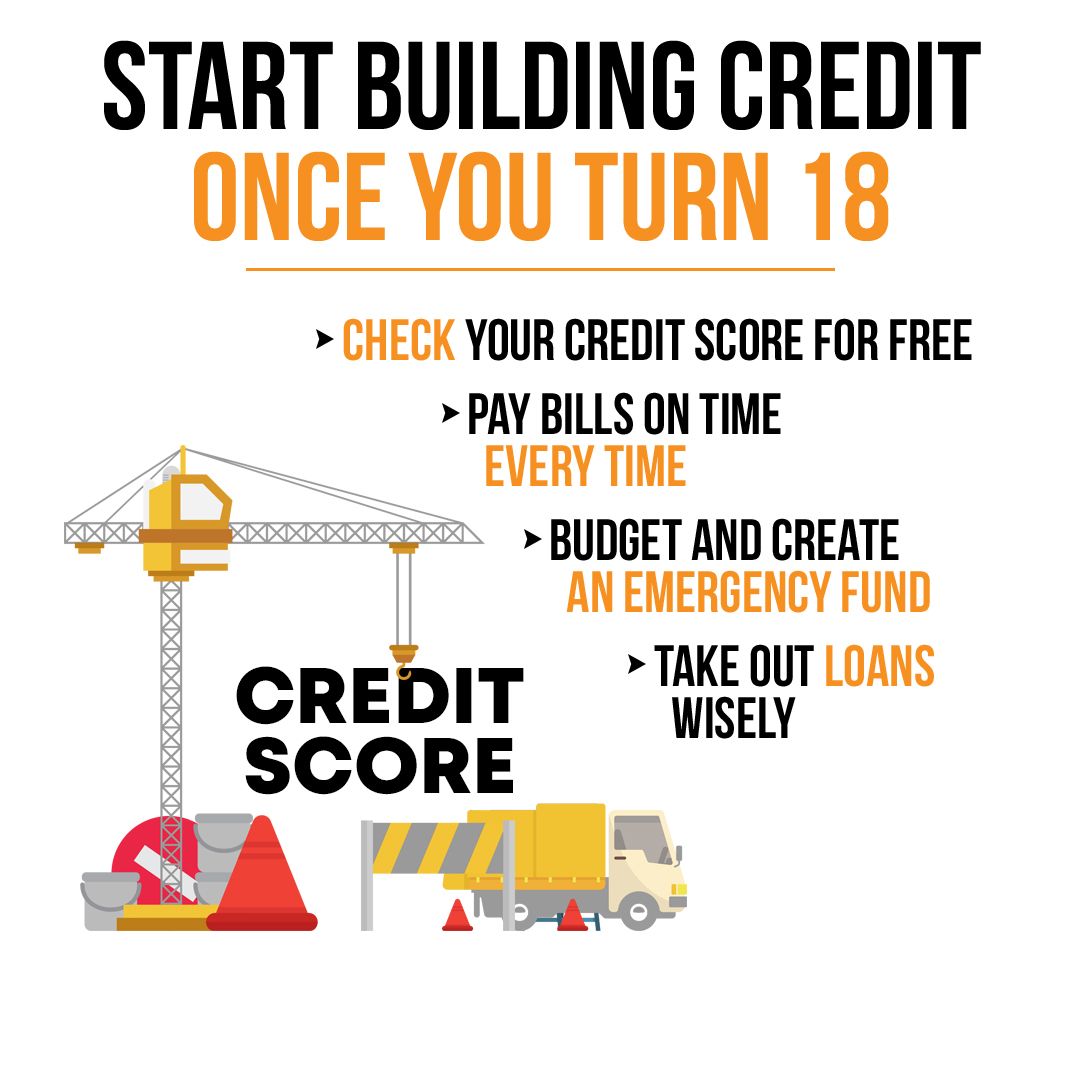
- Check your report: Visit a free service to see if you even have a file yet.
- Open one account: Whether it’s a secured card or a credit builder loan, start with one.
- Set up Auto-Pay: Never, ever miss a payment.
- Educate yourself: Keep reading, keep learning, and stay on the trail.
For more information on our specific services or to learn more about us, feel free to explore our site. Your financial future is waiting: let's start building it today.
Texas Credit Trail is a Credit Repair and Financial Services company dedicated to helping Texas families achieve their financial goals through education and professional credit assistance.
Ready to Start Your Credit Journey?
Get personalized credit repair guidance from William Avery
Book Free Consultation