5 Steps How to Fix Credit and Win Your Financial Future (Easy Guide for Texas Families)
For most Texas families, a credit score isn't just a three-digit number on a screen. It’s the difference between owning a home with a yard for the kids or staying stuck in a rising-rent cycle. It’s the difference between a 3% interest rate on a truck and a 24% rate that drains your bank account every month.
At Texas Credit Trail, we talk to folks every day who feel like they’re walking uphill in the mud. They want to fix their credit, but the system feels rigged, and the "advice" online is often confusing or flat-out wrong.
The hard truth? Credit repair isn't a secret magic trick, but there is a "right way" to do it that the big banks don't exactly advertise. Whether you’re starting from scratch or trying to clean up past mistakes, here is our five-step guide to winning your financial future.
Step 1: Know Where You Stand (The Truth About "Good" Credit)
You can't fix what you haven't measured. The first mistake many families make is assuming their "credit monitoring" app gives them the full picture. Most of those apps use a "VantageScore," but 90% of lenders, especially for home and auto loans, use your FICO score.
To get started, you need to see exactly what the lenders see. You are legally entitled to one free credit report from each of the three major bureaus (Equifax, Experian, and TransUnion) every year via AnnualCreditReport.com.
What is a "Good" Score?
In the eyes of a lender, your score tells a story about how much of a "risk" you are. Here is how those numbers generally break down:
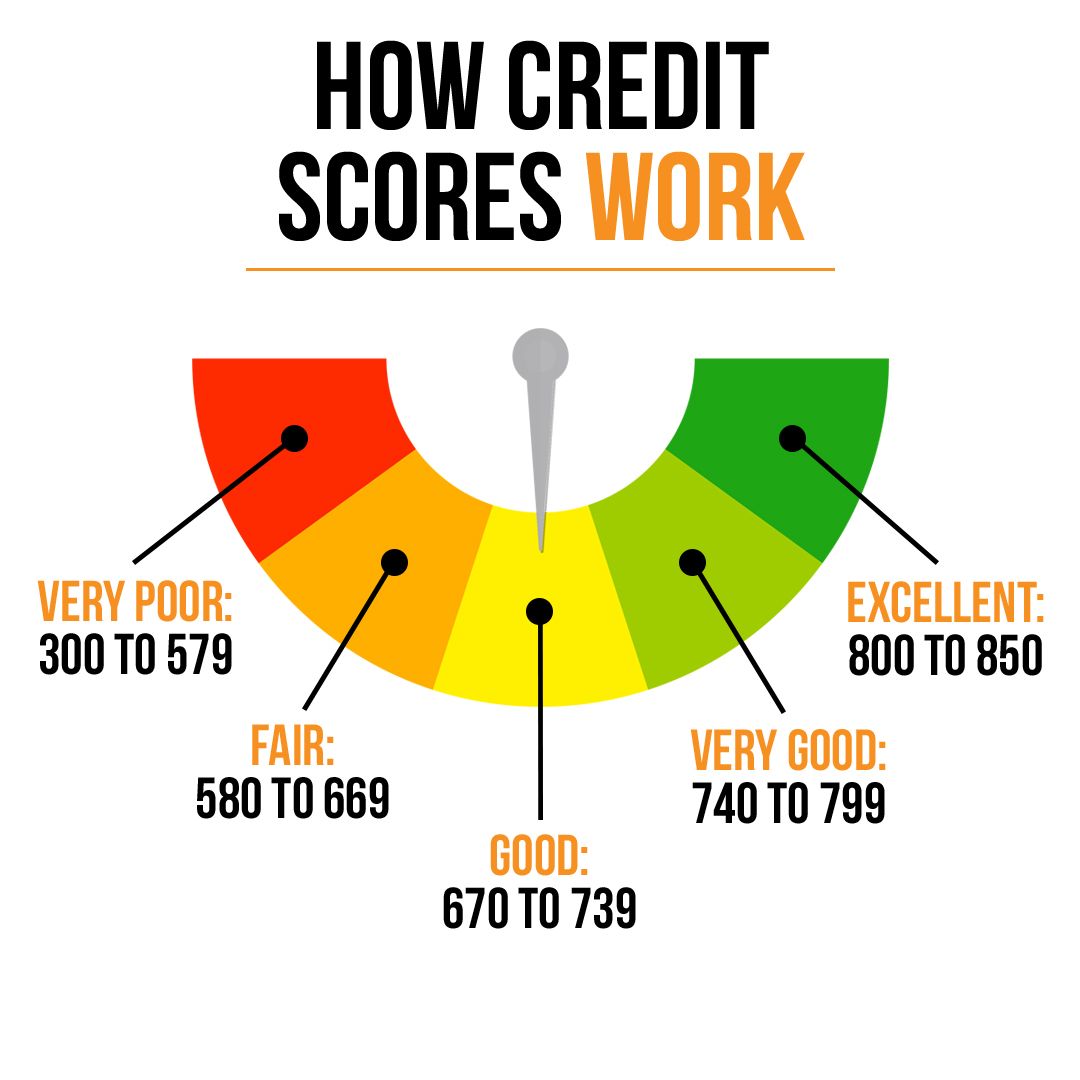
If you're in the "Very Poor" or "Fair" range, you aren't just paying more in interest, you're often being denied the chance to build wealth. Moving from a 580 to a 720 can save a typical Texas family over $100,000 in interest over the life of a 30-year mortgage. That’s college tuition, retirement, or a legacy for your grandkids.
Step 2: The Audit and Dispute Phase
Once you have your reports, it’s time to play detective. Statistics show that roughly 1 in 4 credit reports contains a "material error", a mistake big enough to drop your score.
Look for:
- Accounts that aren't yours: This could be identity theft or just a clerical mix-up.
- Incorrect late payments: If you paid on time, but it’s marked late, that’s a massive hit to your score.
- Old debt: Most negative items should fall off after seven years. If they're still there, they need to go.
- Duplicate accounts: Sometimes a debt is sold to a collector, and both the original creditor and the collector report it, making it look like you owe twice as much.
"Most people think credit repair is just about 'deleting' things. Reality check: it's about holding the credit bureaus accountable to the law. If they can't prove it's accurate, they must remove it. That's your right as a consumer." , William Avery, Owner of Texas Credit Trail
While you can dispute these items yourself, it can be a frustrating game of "mail tag" with the bureaus. This is where our professional services often come in, as we know the specific legal language required to get results faster than the DIY route.
Step 3: Master the "30% Rule" (and the 10% Secret)
If you want to see your score jump quickly, you have to understand Credit Utilization. This is a fancy term for how much of your available credit you are actually using.

As you can see, "Amounts Owed" makes up 30% of your total score. If you have a credit card with a $1,000 limit and you have a $900 balance, your utilization is 90%. This screams "financial stress" to a lender, even if you pay the minimum on time every month.
The Strategy:
- The 30% Rule: Never let your balance exceed 30% of your limit.
- The 10% Secret: If you want an "Excellent" score, keep that balance under 10%.
Paying down a high-balance card is often the fastest way to see a 20-50 point jump in a single billing cycle. If you can't pay the balance down yet, you can sometimes call your credit card company and ask for a limit increase. If they raise your limit from $1,000 to $2,000 and your balance stays at $500, your utilization just dropped from 50% to 25% instantly.
Step 4: Build from the Ground Up
If you have a "thin file" (meaning you don't have much credit history) or if your credit was so damaged that you don't have any open accounts, you need to start building. You can't show you're responsible with credit if you don't have any credit to manage.
For young adults or those starting over, we recommend a few specific "Texas-sized" tools:
- Secured Credit Cards: You give the bank a deposit (say, $200), and they give you a card with a $200 limit. It’s like training wheels for credit.
- Credit Builder Loans: These are fantastic. You make a small monthly payment into a locked savings account. The bank reports these payments as "on-time loan payments." At the end of the term, you get your money back (minus a little interest) and a much better credit score.
- Become an Authorized User: If a family member has a credit card they've had for years with a perfect payment history, they can add you as an "authorized user." You don't even need to use the card; their good history "portals" onto your report.
If you have a young adult in the house, check out our guide on how to build credit from scratch in Texas.

Step 5: Protect Your Progress (The Long Game)
Credit repair isn't a "one-and-done" event; it's a lifestyle change. To win your financial future, you have to protect the progress you’ve made.
- Set up Autopay: Payment history is 35% of your score. One single 30-day late payment can tank a 700+ score by 100 points. Don't leave it to memory.
- Don't Close Old Accounts: Even if you don't use that old store card, keep it open. The "Age of Credit" matters. Closing it could shorten your credit history and hurt your score.
- Be Careful with New Inquiries: Every time you apply for a loan, your score takes a small hit. Only apply for what you truly need.
DIY vs. Professional Help: What’s Best for You?
Can you do all of this yourself? Technically, yes. You can also change the transmission in your truck yourself. But most people don't because it’s time-consuming, requires specialized tools, and if you mess it up, it ends up costing more in the long run.
The DIY Approach:
- Cost: Free (plus postage and time).
- Timeline: Usually 6 to 18 months for significant results.
- Frustration Level: High. Bureaus often send "frivolous" letters to discourage you.
The Professional Approach (Texas Credit Trail):
- Cost: A monthly investment.
- Timeline: Often see first deletions and score movements in 35-45 days.
- Frustration Level: Low. We handle the paperwork, the follow-ups, and the legal heavy lifting.

The Bottom Line for Texas Families
Improving your credit is the single most effective "raise" you can give yourself. When you pay less in interest, you have more for the things that actually matter, your home, your kids' education, and your peace of mind.
If you’re tired of being told "no" by lenders or you're just ready to see what a "Good" score can do for your family's budget, don't wait. The best time to start was a year ago; the second best time is today.
Ready to start your journey?
- Browse our educational resources to learn more.
- Check out our latest offers for new clients.
- Contact us today for a consultation and let's get you back on the trail to financial freedom.
Ready to Start Your Credit Journey?
Get personalized credit repair guidance from William Avery
Book Free Consultation