How to Build Credit from Scratch: Your Quick-Start Guide to Doing it the Right Way
Starting your credit journey can feel a lot like trying to get a job that requires three years of experience when you’ve just graduated: you need credit to get credit, but nobody wants to be the first one to give it to you. At Texas Credit Trail, we talk to families every day who are stuck in this "catch-22." Whether you’re a recent grad, a newcomer to the country, or someone who has simply lived a cash-only life until now, building credit from scratch is one of the most important financial moves you’ll ever make.
In Texas, having a solid credit score isn’t just about getting a fancy plastic card. It’s about the interest rate on your next truck, the ability to rent a nice apartment without a massive deposit, and eventually, the keys to your first home. Here’s the good news: you don’t need a fortune to start, and you don’t need to be a math whiz. You just need a plan.
Understanding the "Grade" on Your Financial Report Card
Before we talk about how to build it, we need to know what we’re aiming for. Think of your credit score as a reputation. It tells lenders how likely you are to pay them back. In the world of credit, most lenders use the FICO score, which ranges from 300 to 850.
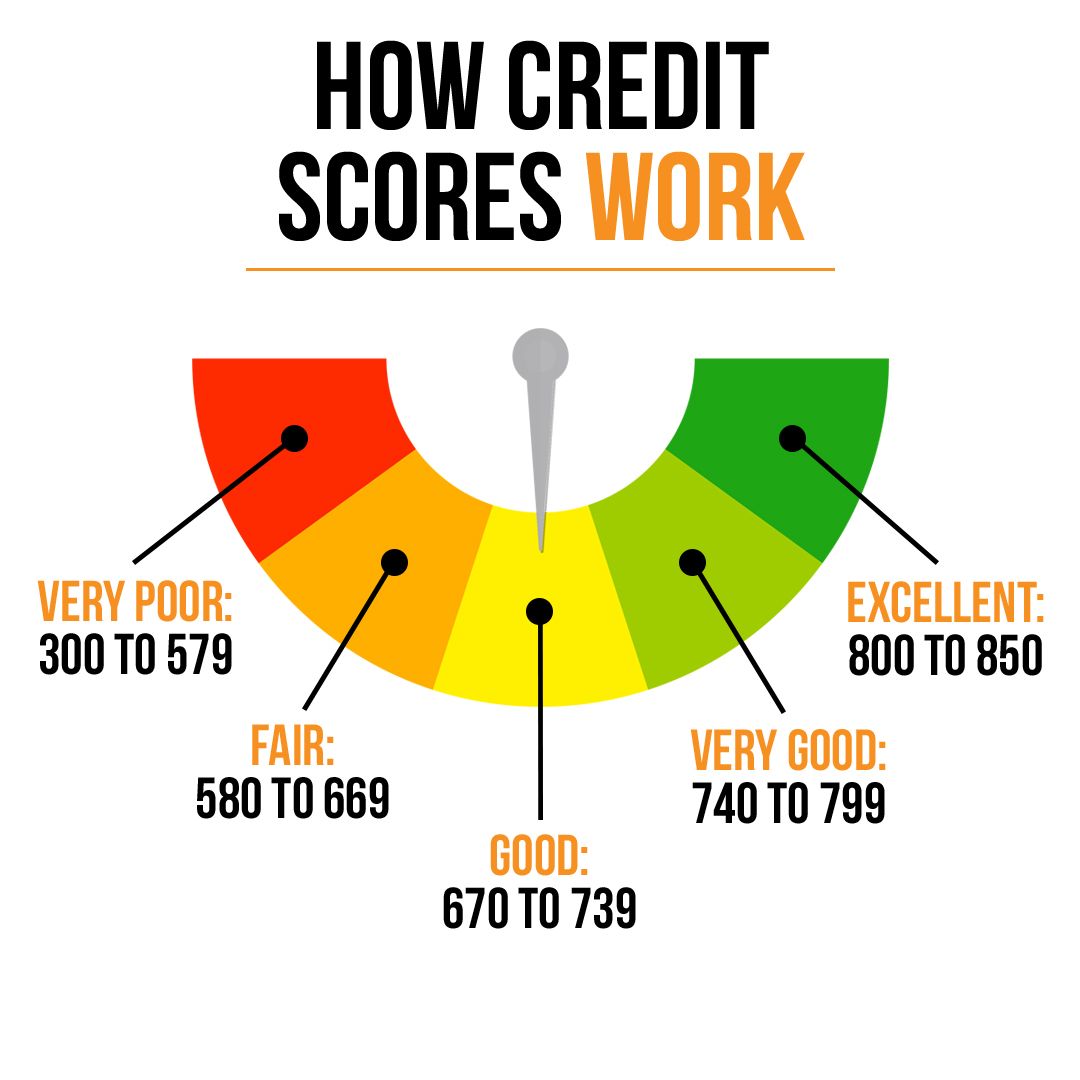
When you’re starting from scratch, you don’t have a "bad" score; you have no score. It typically takes about six months of activity on a credit-reported account before a score can even be generated. Your goal is to land in that "Good" to "Excellent" range as quickly as possible. You can learn more about these ranges on our Education Page.
How the Magic Happens: The Credit Score Breakdown
To build credit effectively, you have to know what the "graders" are looking for. The credit bureaus (Equifax, Experian, and TransUnion) use a specific formula to determine your score.
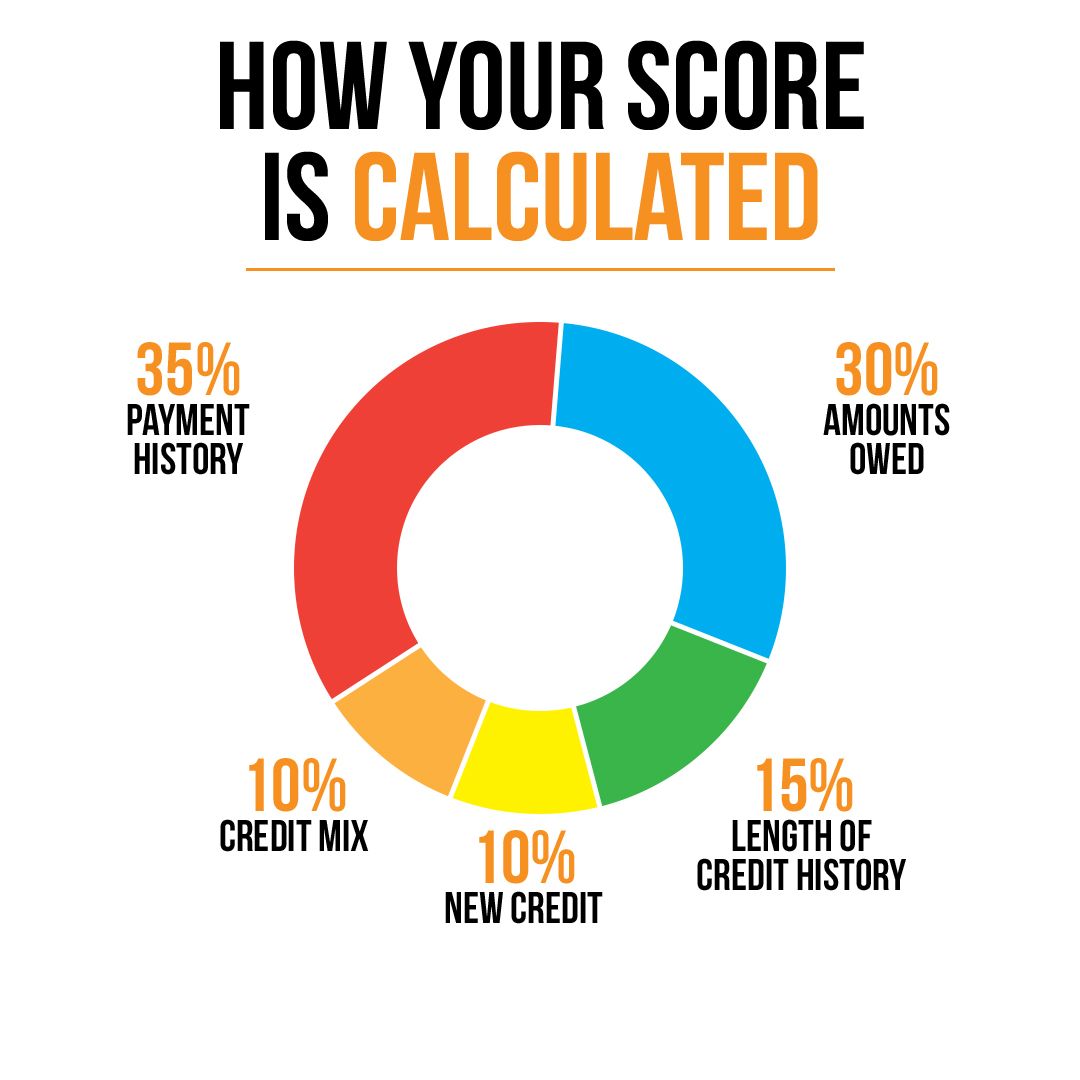
Here is the "Secret Sauce" most people overlook:
- Payment History (35%): This is the heavyweight champion. One missed payment can derail months of progress.
- Amounts Owed / Utilization (30%): This is how much of your available credit you’re actually using. If you have a $1,000 limit and you spend $900, it looks like you’re struggling, even if you pay it off.
- Length of Credit History (15%): How long have your accounts been open? This is why starting early is so vital.
- Credit Mix (10%): Lenders like to see that you can handle different types of debt (like a credit card and a car loan).
- New Credit (10%): Opening too many accounts at once makes you look desperate for cash.
"Building credit is a marathon, not a sprint. Most people try to do too much too fast and end up hurting their score before they even have one. The trick is to start small, stay consistent, and let time do the heavy lifting." : William Avery, Owner of Texas Credit Trail
Step 1: The Three Best Ways to Start from Zero
You can't build a house without a foundation. Here are the three most reliable tools for Texans looking to start their credit journey.
1. The Secured Credit Card
This is arguably the most common starting point. Unlike a traditional credit card, a secured card requires a cash deposit: usually around $200 to $500. This deposit acts as your credit limit. Because the bank has your cash as collateral, they are much more willing to take a chance on someone with no credit history.
Pro Tip: Make sure the card issuer reports to all three major credit bureaus. If they don't report, you're just spending money without building a reputation. Check out some of our recommended Credit Offers to find the right fit.
2. Credit-Builder Loans
Think of this as a "forced savings account" that builds credit. When you take out a credit-builder loan, the lender puts the loan amount into a locked savings account. You make small monthly payments, and once the loan is paid off, you get the money back. It’s a win-win: you build a history of on-time payments and end up with a small nest egg at the end.
3. Becoming an Authorized User
If you have a family member with a long history of great credit, they can add you as an "authorized user" on one of their cards. You don't even have to use the card or know the number; their history on that specific account can often be reflected on your credit report. This is a common way for Texas parents to help their kids get a head start.

Step 2: Master the Art of Credit Utilization
Once you have your first card or loan, the most common mistake is "maxing it out." People think that if they have a $500 limit, they should use it for everything to show they are "active."
The Reality Check: Your credit utilization should stay below 30%, but below 10% is where the real growth happens. If your limit is $500, try never to let the balance that gets reported to the bureaus exceed $50. You can spend more than that during the month, but make sure you pay it down before the statement closes.
High utilization is one of the fastest ways to suppress a growing credit score. It’s technically possible to do this yourself, but many people find that having a professional eye on their strategy helps them avoid these common traps. You can see how we help with this on our Services Page.
Step 3: Avoid the "No-Credit" Pitfalls
When you’re starting out, it’s easy to fall for myths. Let’s clear a few things up:
- Debit Cards Don’t Count: Spending money from your bank account is great for budgeting, but it does absolutely nothing for your credit score. Lenders want to see how you handle borrowed money.
- Paying Interest Isn’t Necessary: You do NOT need to carry a balance and pay interest to build credit. Paying your card off in full every month is actually better for your score (and your wallet).
- Prepaid Cards are Not Credit Cards: Just like debit cards, these are not reported to credit bureaus.

Why Starting Now Saves You Thousands Later
Let’s talk about the "Texas Truth." If you want to buy a $40,000 truck, the difference between a "Fair" credit score and an "Excellent" credit score could be $100 to $200 a month in interest alone. Over the life of a 5-year loan, that’s $6,000 to $12,000 wasted on interest just because of a three-digit number.
Building credit from scratch isn't just a financial chore; it’s an investment in your future freedom. By the time you’re ready for a mortgage or a major purchase, you want a history that speaks for itself.
DIY vs. Professional Guidance: Which is Right for You?
While you can technically build credit on your own, it’s easy to make a misstep that stays on your report for years. Many Texas families prefer to have a guide: someone who has seen thousands of reports and knows exactly how to navigate the system.
At Texas Credit Trail, we believe in education first. We don't just want to "fix" numbers; we want to teach you the habits that keep those numbers high for life. If you’re feeling overwhelmed by the jargon or just want to make sure you’re doing it the right way from day one, we’re here to help.
- If you’re just starting out: Focus on a secured card and 100% on-time payments.
- If you’ve hit a plateau: It might be time to look at your credit mix or utilization strategies.
- If you’re ready for professional help: Reach out to us through our Contact Page.
The Bottom Line
Building credit from scratch takes patience. You won’t see an 800 score overnight. It takes about six months to get your first score and about 12 to 24 months to build a truly robust history. But the peace of mind that comes with knowing you’ll be approved when you walk into a dealership or a bank? That’s worth every bit of effort.
If you’re ready to take the first step, check out our E-books for more deep dives into credit management, or follow our News Feed for the latest updates on credit laws and tips. Your trail to better credit starts today: all you have to do is take the first step.
Ready to Start Your Credit Journey?
Get personalized credit repair guidance from William Avery
Book Free Consultation