Building Credit from Scratch 101: A Beginner’s Guide to Mastering Your Financial Future in Texas
Starting your financial journey in the Lone Star State is an exciting milestone. Whether you’re a recent graduate, a newcomer to the country, or someone who has simply preferred to live a "cash-only" lifestyle until now, you’ve likely realized one thing: credit is the invisible engine behind your biggest life goals.
In Texas, having no credit history: often called being "credit invisible": can feel just as frustrating as having a bad score. It can stand between you and a fair interest rate on a truck, your first apartment lease, or the keys to a home in a neighborhood your family loves.
At Texas Credit Trail, we believe that building credit shouldn't feel like navigating a maze without a map. It’s about education, strategy, and a little bit of Texas-sized patience. Here is your beginner’s guide to building a solid financial foundation from the ground up.
What Exactly is a "Good" Credit Score?
Before you start building, you need to know what you’re aiming for. Most lenders use the FICO scoring model, which ranges from 300 to 850. If you have no credit history, you don’t start at zero; you simply don’t have a score yet. It usually takes about six months of activity on a credit account before a FICO score can even be generated.
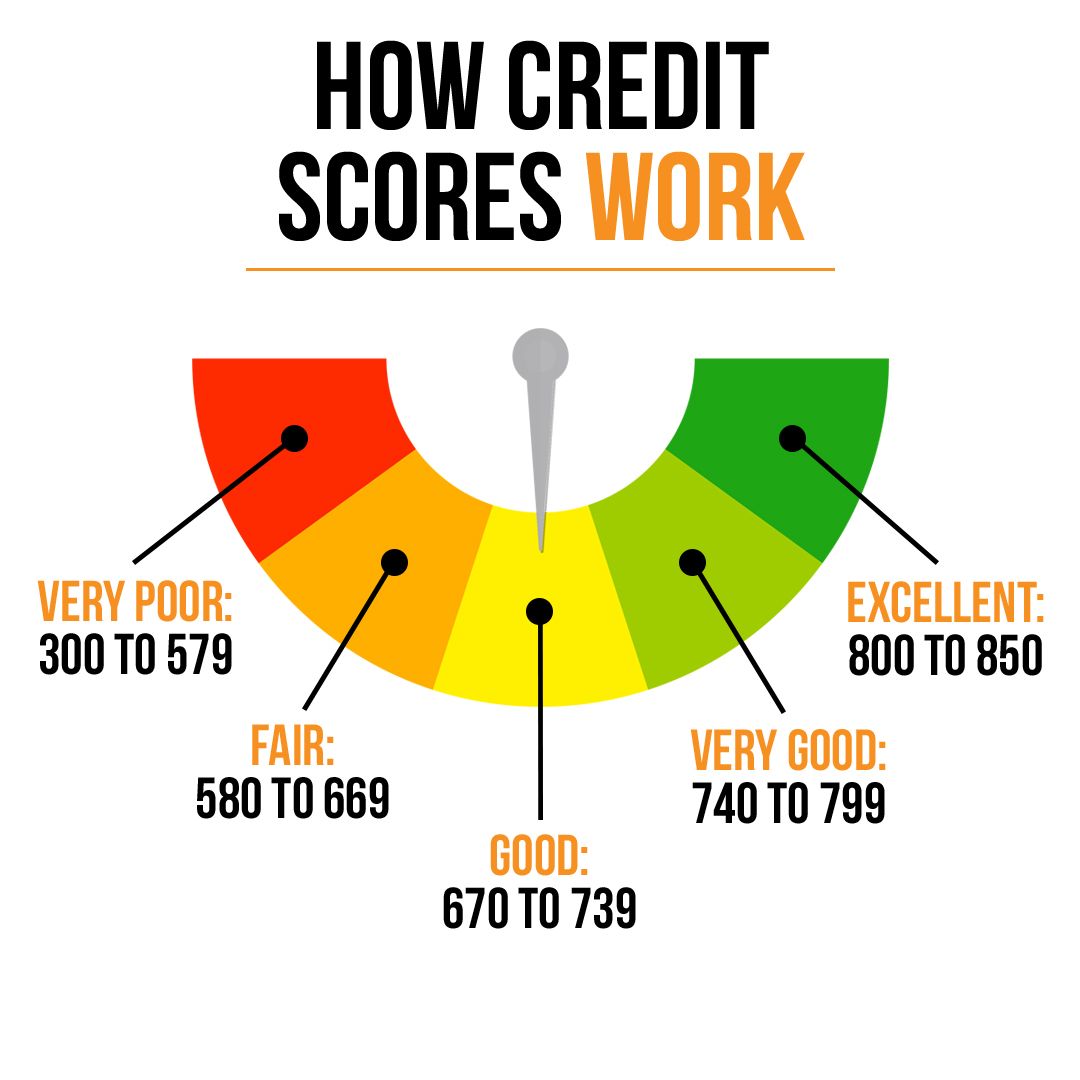
As you can see from the chart above, the goal is to get into that "Good" range (670+) as quickly as possible. Once you hit the "Very Good" or "Excellent" tiers, you start seeing the real benefits: lower insurance premiums, waived utility deposits, and interest rates that save you tens of thousands of dollars over the life of a mortgage.
The Magic Formula: How Your Score is Calculated
If you want to master the game, you have to know the rules. Many people think credit is a mystery, but it’s actually a very specific math equation. Understanding this breakdown is the first step toward building credit from scratch.

Here is what makes up your score:
- Payment History (35%): This is the heavy hitter. Do you pay your bills on time? Every single month? Even one 30-day late payment can tank a new score.
- Amounts Owed / Credit Utilization (30%): This is the second most important factor. It looks at how much of your available credit you are actually using.
- Length of Credit History (15%): This is why it’s important to start early. The older your accounts, the better.
- New Credit (10%): Applying for too many things at once makes lenders nervous.
- Credit Mix (10%): Lenders like to see that you can handle different types of debt, like a credit card (revolving) and an auto loan (installment).
"Most people think they need to carry a balance and pay interest to build credit. That is one of the biggest myths in the industry. You can build a perfect score without ever paying a dime in interest simply by paying your statement in full every month." : William Avery, Owner of Texas Credit Trail
Step-by-Step: How to Build Credit from Scratch
If you have a blank slate, you need a way to show credit bureaus that you are responsible. Here are the most effective ways for Texas families to get started:
1. The Secured Credit Card
A secured card is the "training wheels" of the credit world. You provide a cash deposit (usually $200–$500) to a bank or credit union, and that deposit becomes your credit limit. Because the bank has your money as collateral, they are much more likely to approve someone with no credit.
Texas Tip: Look for cards from local institutions like Texas Bay Credit Union or major banks that offer a "path to graduation," where they return your deposit and upgrade you to a regular card after 6–12 months of on-time payments.
2. Credit Builder Loans
Unlike a traditional loan where you get the money upfront, a credit builder loan works in reverse. You "borrow" a small amount (say $1,000), but the lender holds it in a locked savings account while you make monthly payments. Once the loan is paid off, you get the money back (plus a little interest). Meanwhile, the lender reports those on-time payments to the credit bureaus. It's essentially a forced savings plan that builds your score.

3. Become an Authorized User
If you have a family member in Texas with a long-standing credit card and a perfect payment history, they can add you as an "authorized user." You don't even have to use the card or even have the physical plastic in your hand. Their history with that specific account will often "piggyback" onto your credit report, giving your score an immediate boost.
The Hard Truth: This only works if the primary cardholder is responsible. If they miss a payment, it will hurt your score too.
Mastering Credit Utilization
Once you get your first card, the most important thing you can learn is Credit Utilization. This is the ratio of your credit card balance to your credit limit.
For example, if you have a card with a $1,000 limit and you spend $500, your utilization is 50%. Even if you pay it off every month, if the credit bureau "snaps a photo" of your report while that $500 balance is showing, it could lower your score.
We recommend keeping your utilization below 30%, but for the best results, aim for under 10%. If you want to learn more about these advanced strategies, check out our education page.
Common Myths and Mistakes to Avoid
When you're just starting out, you'll hear a lot of "neighborly advice" that is actually flat-out wrong. Let's clear the air on one of the biggest misconceptions.

Many Texans are afraid to check their own credit because they think it will lower their score. This is false! Checking your own score is a "soft inquiry" and has zero impact. It’s actually vital that you monitor your report to ensure no one is using your identity or that no errors are appearing on your fresh file.
Other pitfalls to avoid:
- Closing your first account: Even if you upgrade to a better card later, keep that first account open. It represents the "age" of your credit history.
- Co-signing for friends: In Texas, we’re big on helping our neighbors, but co-signing for someone else's loan is a massive risk. If they miss a payment, your brand-new credit score will suffer the consequences.
Why Professional Guidance Matters
Building credit is technically something you can do yourself, much like you can technically change the transmission on your own truck. However, one small mistake can set you back years.
Many Texas families find themselves overwhelmed by the conflicting information online. They might open too many accounts at once or choose the wrong products that don't actually report to all three major credit bureaus (Equifax, Experian, and TransUnion).
At Texas Credit Trail, we specialize in helping families navigate the complexities of credit repair and building. We’ve seen the "secrets" that the big bureaus don't want you to know, and we use that knowledge to put you on the fast track to a 700+ score.
The Cost of Inaction
Wait-and-see is a expensive strategy. Let’s look at the numbers:
- Poor Credit (or No Credit): You might pay 18% interest on a $30,000 car loan.
- Good Credit: You might pay 5% interest on that same loan.
- The Difference: Over five years, the person with good credit saves over $11,000.
That is money that could be going toward a college fund, a down payment on a home, or a family vacation.

Your Next Steps on the Trail
Building credit from scratch is a marathon, not a sprint. It takes discipline and a clear plan. If you're ready to stop guessing and start growing your financial future, we are here to help.
- Check your current status: If you aren't sure where you stand, start by pulling your reports.
- Pick one "Starter" tool: Whether it's a secured card or a credit builder loan, start with one and manage it perfectly.
- Educate yourself: Read through our E-books to deepen your understanding of the financial system.
- Get professional help: If you’ve encountered roadblocks or want to ensure you're doing everything correctly the first time, reach out to us.
Don't let another year go by without the credit score you deserve. Your future in Texas is bright, and a strong credit score is the key to unlocking every door.
Ready to start your journey? Contact Texas Credit Trail today for a consultation, or explore our services to see how we can help you build the financial life you've always wanted.
Ready to Start Your Credit Journey?
Get personalized credit repair guidance from William Avery
Book Free Consultation