The Ultimate Guide to How to Fix Credit: Everything Texas Families Need to Succeed
If you’ve lived in Texas for any length of time, you know that a handshake still means something, but your credit score often speaks louder when you’re trying to move your family forward. Whether you’re looking to buy a home in a growing suburb, upgrade the family SUV, or just get some breathing room on your monthly bills, your credit score is the gatekeeper.
At Texas Credit Trail, we’ve seen how much stress a three-digit number can cause. But here’s the secret: credit isn’t a life sentence. It’s a trail, and even if you’ve taken a few wrong turns, you can always find your way back to solid ground. In this guide, we’re going to walk through exactly how to fix credit and build a financial foundation that lasts for generations.
What is a Good Credit Score, Anyway?
Before we talk about fixing anything, we need to know what we’re aiming for. Most lenders use the FICO score model, which ranges from 300 to 850.
For most Texas families, a "good" score starts around 670. However, if you’re looking for the best interest rates: the ones that save you thousands of dollars over the life of a mortgage: you really want to be in the "Very Good" or "Excellent" range.
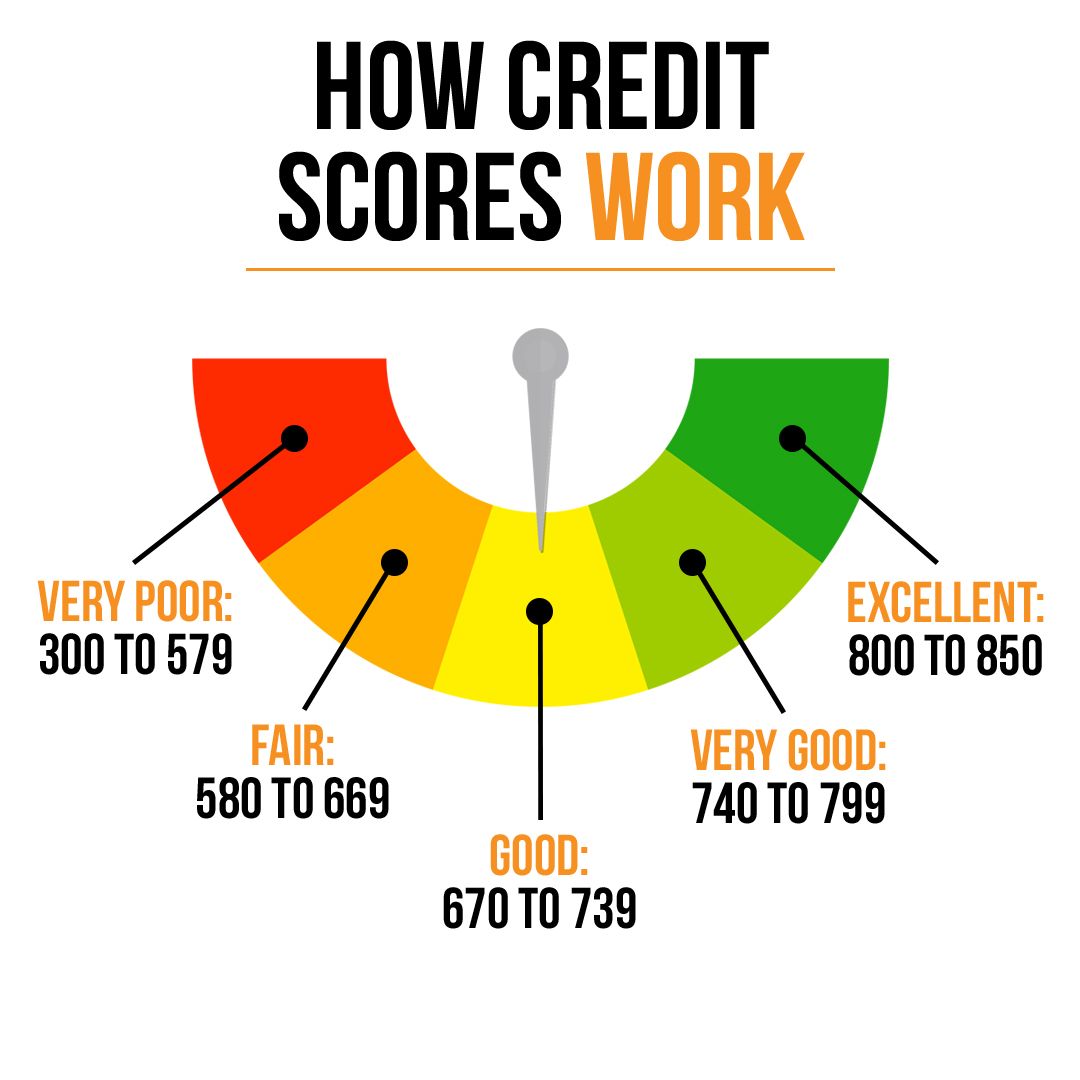
As you can see from the chart, the difference between "Fair" and "Excellent" isn't just a label; it's the difference between getting approved with a low interest rate and getting hit with high fees: or worse, getting a "no" altogether.
The Anatomy of Your Score: How It’s Calculated
Most people think their credit score is a mysterious number handed down by the universe. In reality, it’s just math. If you want to know how to improve credit, you have to understand the five factors that make up the formula.
- Payment History (35%): This is the big one. Have you paid your bills on time? Even one 30-day late payment can knock significant points off your score.
- Credit Utilization (30%): This is how much of your available credit you’re using. If you have a $1,000 limit and you owe $900, your utilization is 90%: and that’s a red flag to lenders.
- Length of Credit History (15%): The longer your accounts have been open, the better.
- Credit Mix (10%): Lenders like to see that you can handle different types of debt, like a car loan (installment) and a credit card (revolving).
- New Credit (10%): Opening too many accounts at once makes you look desperate for cash.

"Most folks think they need to pay off every cent of debt to have a high score. The truth is, credit is a game of strategy. It’s about showing the bureaus you can manage money responsibly, not just that you have it." : William Avery, Owner of Texas Credit Trail
Step-by-Step: How to Fix Credit and See Results
If your score isn’t where you want it to be, don't panic. Fixing credit is a marathon, not a sprint, but you can start making progress today.
1. Check Your Reports for Errors
The law allows you to get a free copy of your credit report from the three major bureaus (Equifax, Experian, and TransUnion) once a year. Go to https://www.texascredittrail.com/education.php to learn more about how to read these reports. You’d be surprised how often mistakes happen: duplicate accounts, wrong addresses, or debts that aren't even yours.
2. Attack Your Credit Utilization
This is the fastest way to see a jump in your score. If you can get your credit utilization below 30% on every card, your score will likely respond within 30 to 45 days. If your limit is $1,000, try to keep that balance under $300.
3. Handle Collections Carefully
If you have old medical bills or utility debts in collection, don't just pay them blindly. Sometimes, paying an old collection can actually lower your score temporarily by "reactivating" the old debt. Talk to a professional before you start sending checks to collection agencies.

Building Credit from Scratch
What if you don't have bad credit, but no credit? We see this a lot with young adults or families who have always lived a "cash-only" lifestyle. While staying out of debt is great, having no credit history makes it nearly impossible to buy a home or rent a decent apartment.
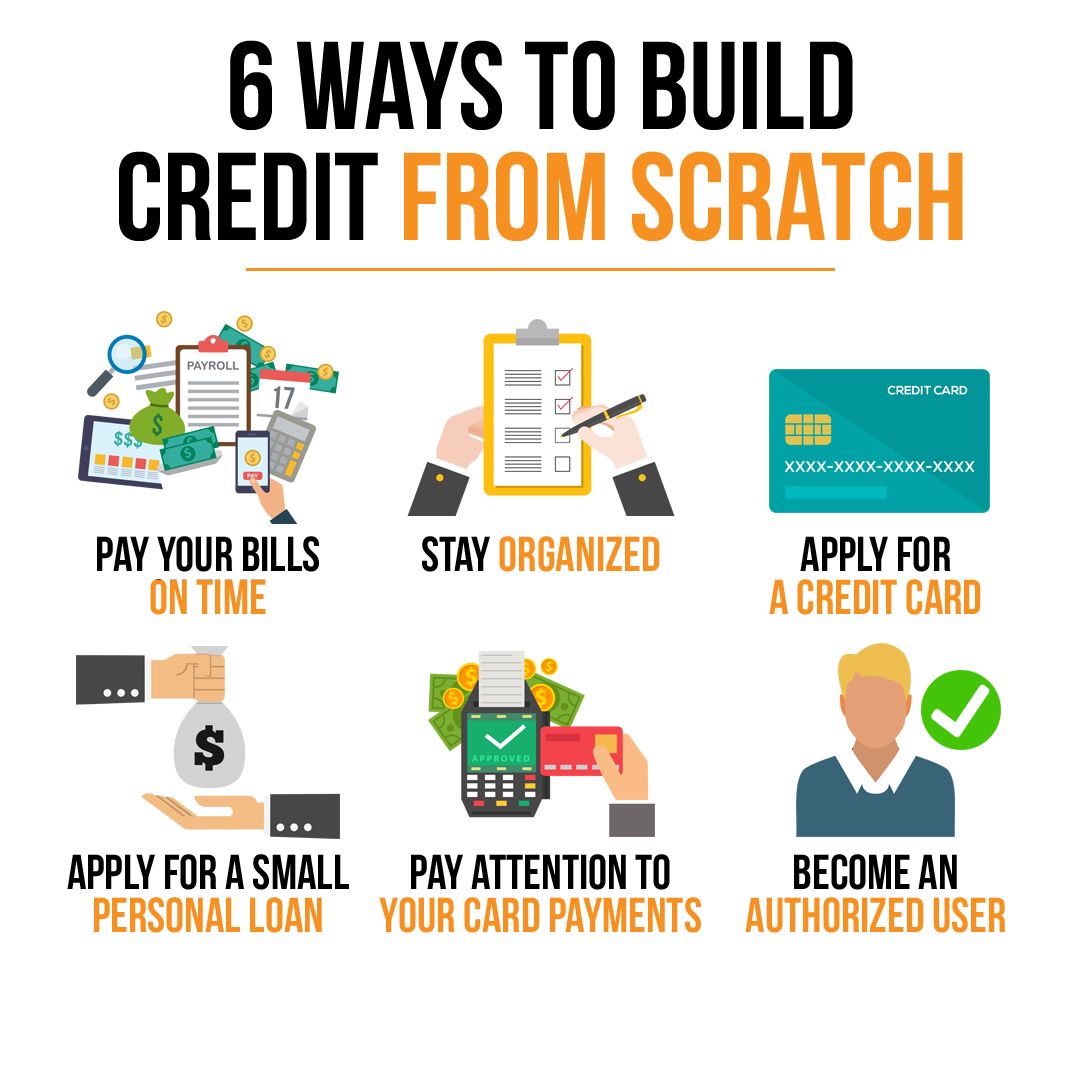
Here is how we recommend building credit from scratch:
- Become an Authorized User: If a family member has a long-standing credit card with a perfect payment history, they can add you as an authorized user. You don't even need to use the card; their good history will start showing up on your report.
- Credit Builder Loans: These are fantastic tools for Texas families. Unlike a traditional loan, the bank holds the money in a savings account while you make monthly payments. Once the loan is paid off, the money is released to you, and you’ve built a year’s worth of on-time payment history.
- Secured Credit Cards: You give the bank a deposit (say $200), and they give you a credit card with a $200 limit. It’s low risk for them and a great way for you to prove you’re responsible.
Why DIY Credit Repair Often Fails
We’re Texans: we love a good "do it yourself" project. But credit repair is more like electrical work than painting a fence. One wrong move can cause a lot of damage.
Technically, you can dispute items on your own. But the credit bureaus don't make it easy. They often use automated systems to reject disputes or send "frivolous" letters to discourage you. A professional service like Texas Credit Trail knows the laws, like the Fair Credit Reporting Act (FCRA), and how to hold the bureaus accountable.
The Cost of Waiting
Let’s look at the "hard truth." If you have a 620 score and you're buying a $300,000 home, your interest rate might be 2% higher than someone with a 720 score. Over a 30-year mortgage, that 2% difference can cost you over $100,000 in extra interest.
Waiting to fix your credit isn't just an inconvenience; it’s one of the most expensive mistakes you can make.
Myths vs. Reality
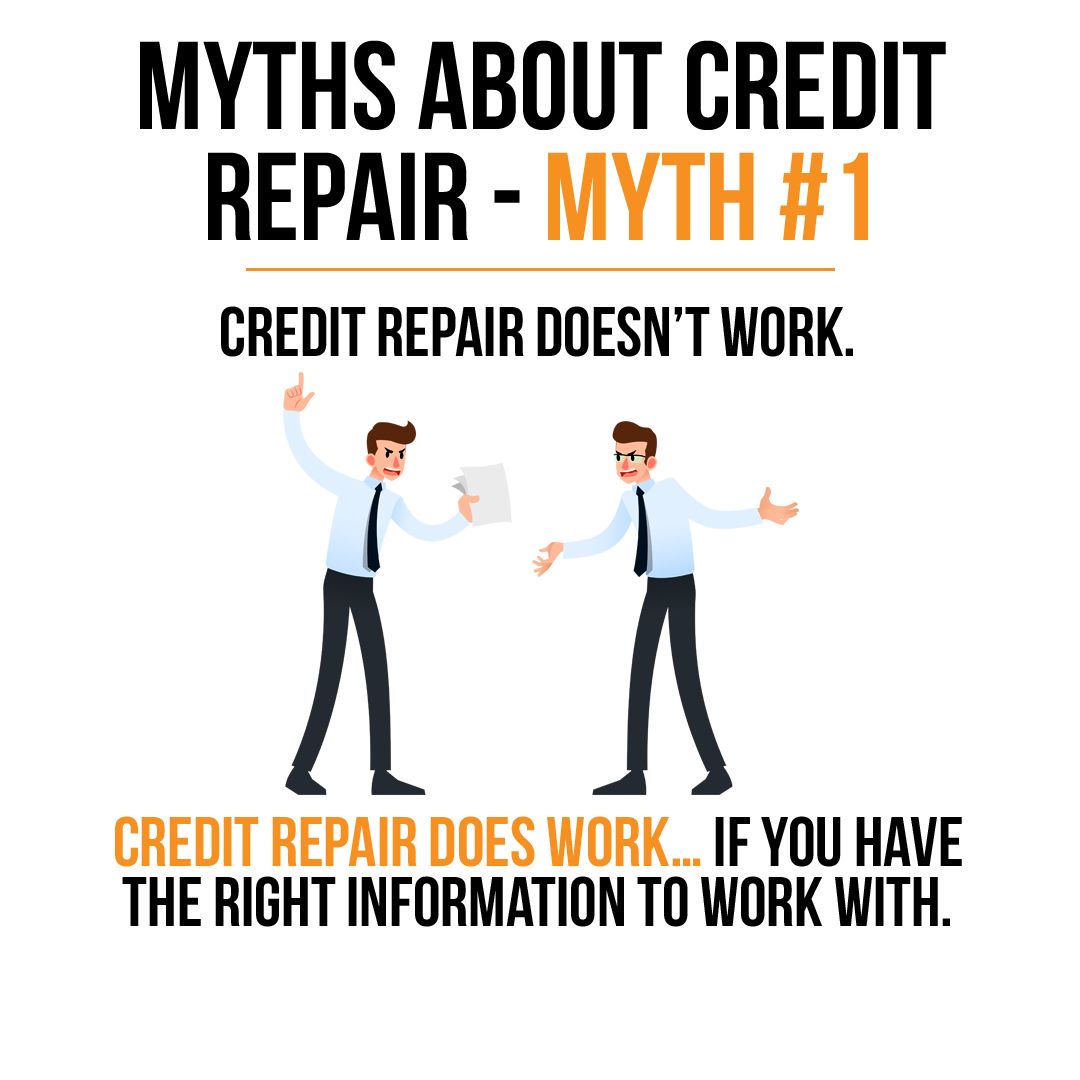
There is a lot of bad information out there. Let’s clear the air on a few common credit myths we hear every day in our office.
- Myth: Closing old accounts helps your score.
- Reality: Closing an old card actually hurts you by shortening your credit history and increasing your utilization. Keep those old cards open, even if you don't use them.
- Myth: Checking your own score lowers it.
- Reality: When you check your score (a soft inquiry), it doesn't hurt it at all. It’s only when a lender checks it for a loan (a hard inquiry) that it might dip a few points.
- Myth: You have to carry a balance to have good credit.
- Reality: You do NOT need to pay interest to have a high score. Paying your card off in full every month is the smartest way to build credit.
Your Path Forward
If you’re feeling overwhelmed, just remember: your current credit score is just a snapshot in time. It is not your identity, and it’s not your future. By focusing on your credit utilization, making on-time payments, and perhaps looking into credit builder loans, you can change your financial trajectory.
If you’re ready to stop guessing and start seeing results, we’re here to help. At Texas Credit Trail, we believe in education first. We want to give you the tools to not only fix your credit but to keep it high for the rest of your life.
Next Steps for Your Family:
- Download our free resources: Check out our ebooks for more in-depth strategies.
- Get a professional eyes-on review: If you’re tired of the DIY struggle, see what our services can do for you.
- Stay Informed: Keep up with the latest credit news and tips at our news page.
Your family deserves the opportunities that come with great credit. Don't let another year go by wondering "what if." Take the first step on the trail today.
For more information or to speak with someone who understands the Texas market, feel free to contact us directly. We’re neighbors, and we’re here to help you succeed.
Ready to Start Your Credit Journey?
Get personalized credit repair guidance from William Avery
Book Free Consultation