Credit 101: A Texas Family’s Guide to Mastering What a Good Credit Score Really Is
Down here in Texas, we value a straight shooter. Whether you’re looking to buy a home with enough room for the kids to run, or you’re eyeing a new truck to haul your gear, there’s one number that’s going to follow you around like a shadow: your credit score.
Most folks treat their credit score like a mysterious weather pattern, something that just happens to them. But the reality is that your credit score is more like a trail. If you know how to read the signs and stay on the right path, you can get exactly where you want to go. At Texas Credit Trail, we believe that education is the first step toward financial freedom. Before you can fix your credit, you have to understand what a "good" score actually looks like and why it matters for your family’s future.
What Exactly is a "Good" Credit Score?
When we talk about credit scores, we’re usually talking about your FICO® score. This number, which ranges from 300 to 850, is essentially a grade that tells lenders how likely you are to pay them back.
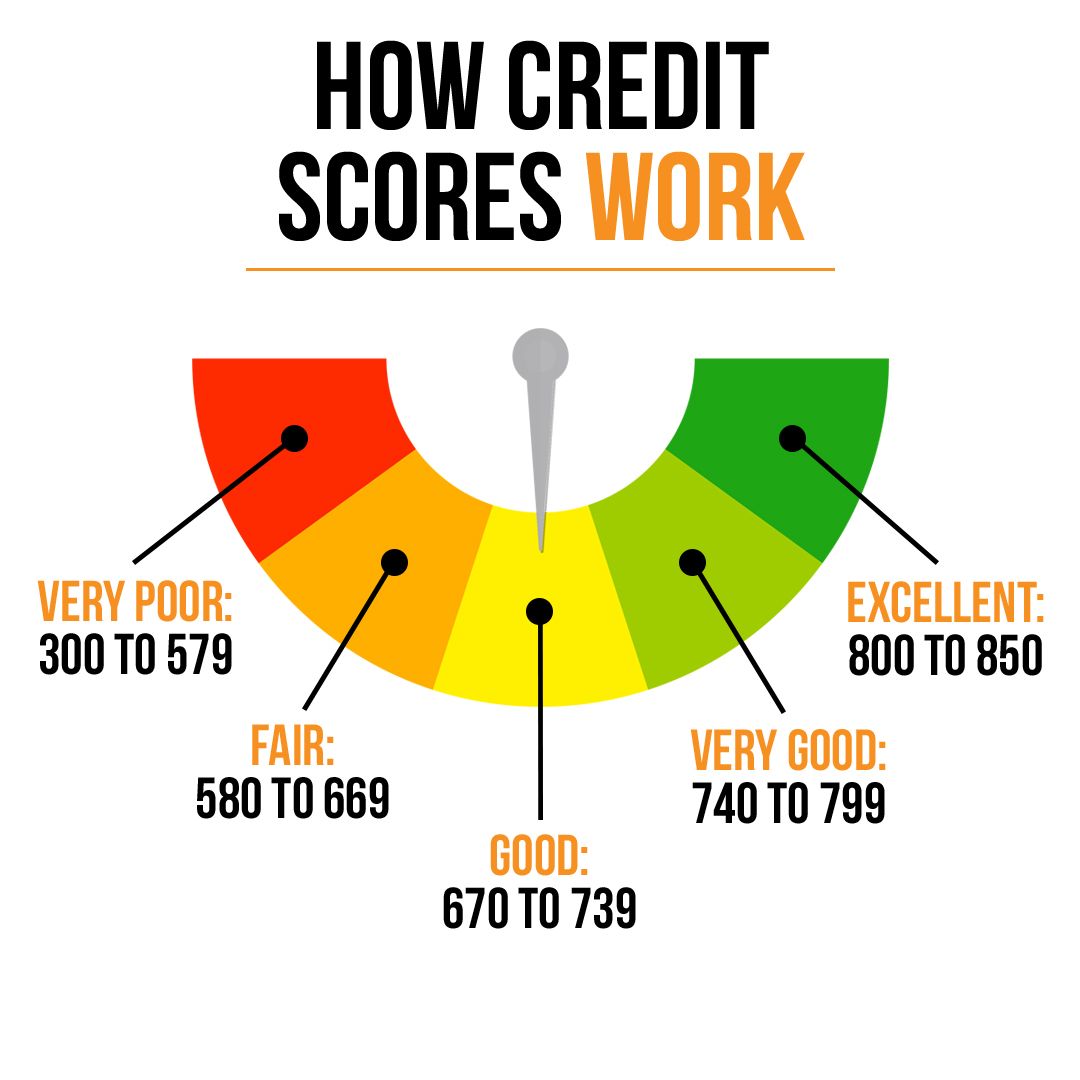
But what defines "good"? It depends on who you ask, but generally, the industry breaks it down like this:
- Exceptional (800–850): You’re at the top of the mountain. You’ll get the lowest interest rates and the best terms on any loan.
- Very Good (740–799): You’re well above the average. Lenders see you as a low-risk borrower.
- Good (670–739): This is the "sweet spot" for most Texas families. You’ll qualify for most loans, though you might not get the absolute rock-bottom interest rates reserved for the 800+ club.
- Fair (580–669): You’re in the middle of the pack. You can still get credit, but you’ll likely pay higher interest rates.
- Poor (300–579): This is the danger zone. You’ll likely face frequent rejections or be forced into "predatory" loans with sky-high interest.
If you find yourself in the "Fair" or "Poor" categories, don't panic. I've seen families move their scores 100+ points in six months just by understanding the mechanics of how these numbers are calculated. You can learn more about how we help families navigate this on our services page.
The Anatomy of Your Credit Score: The "Big Five"
One of the biggest secrets in the credit industry is that the formula isn't actually a secret. FICO is very open about what makes up your score. If you want to master your credit, you have to focus on these five factors:
- Payment History (35%): This is the heavyweight champion. If you miss a payment, your score takes a dive. Consistency is everything here.
- Credit Utilization (30%): This is how much of your available credit you’re using. If you have a $10,000 limit and you’re carrying a $9,000 balance, your score will suffer even if you pay on time every month.
- Length of Credit History (15%): The older your accounts, the better. This shows lenders you have a long-term track record.
- Credit Mix (10%): Lenders like to see that you can handle different types of credit, like a mortgage, an auto loan, and a credit card.
- New Credit (10%): Opening too many accounts in a short period makes you look desperate for cash.

"The hard truth is that most people think paying their bills on time is enough. While it’s 35% of the battle, ignoring your utilization or closing old accounts can sabotage your progress without you even realizing it. We teach our clients to look at the whole picture, not just the due date." , William Avery, Owner of Texas Credit Trail
The Real Cost of a "Fair" Score
You might think, "Eh, 650 isn't that bad. I can still get a car." Technically, you're right. But let’s look at the math. In Texas, the difference between a 650 score and a 750 score on a $350,000 mortgage can result in paying over $100,000 more in interest over the life of the loan.
That is $100,000 that could have gone toward your kids' college tuition, a retirement fund, or a family vacation. When we talk about "credit improvement," we aren't just talking about numbers on a screen; we’re talking about keeping more of your hard-earned money in your pocket. Check out our education center for more deep dives into how interest rates impact your life.
Building Credit from Scratch (The Texas Way)
If you’re a young adult just starting out or a newcomer to the state, you might have what we call a "thin file." You don't have bad credit; you just have no credit. Building credit from scratch is a bit like starting a fire, it takes a little bit of kindling to get the big logs burning.
1. The Credit Builder Loan
This is one of my favorite tools. It’s essentially a "reverse loan." You make payments into a locked savings account, and the bank reports those on-time payments to the credit bureaus. Once the loan is "paid off," you get the cash back. It’s a win-win: you build credit and a small savings nest egg simultaneously.
2. Become an Authorized User
If you have a family member with a long history of responsible credit use, they can add you as an "authorized user" on one of their older cards. You don't even have to use the card. Their good history will "piggyback" onto your report, giving you an immediate boost in your length of credit history.
3. Secured Credit Cards
A secured card requires a cash deposit that serves as your credit limit. It’s a safe way for lenders to give you a chance. Use it for one small purchase a month (like gas), pay it off immediately, and watch your score climb.

Mastering Credit Utilization: The 30% Rule
If there is one thing I want you to take away from this guide, it’s the importance of Credit Utilization. Most people believe that as long as they pay their minimum balance, they’re doing fine.
But here’s the "insider" tip: If your balance is over 30% of your limit, the credit bureaus see you as "overextended."
Let’s say you have a credit card with a $1,000 limit. If you carry a balance of $350, your score is actually being dragged down. To see the best results, you want to keep that balance under $300 (30%). If you really want to supercharge your score, keep it under 10% ($100).

DIY Credit Repair vs. Professional Guidance
Can you fix your credit yourself? Technically, yes. You can write letters to the bureaus, dispute inaccuracies, and negotiate with creditors. It’s a bit like fixing your own plumbing. If you have the time, the tools, and the patience to deal with a mess, you can get it done.
However, the reason many Texas families turn to us at Texas Credit Trail is because the credit bureaus don't make it easy. They often use automated systems to reject disputes, and they hope you’ll give up after the first try.
Why professional help often wins:
- The "Secret" Language: We know which laws (like the Fair Credit Reporting Act) to cite to ensure the bureaus actually investigate your claims.
- Speed: What takes an individual a year to figure out, we can often accomplish in 3 to 6 months.
- Accuracy: We identify errors you might miss, such as outdated addresses or "zombie" debts that should have fallen off years ago.
- Strategy: We don't just "delete" things. We help you build a positive profile so your score stays up for the long haul.
If you’re ready to see what's possible, you can check out our ebooks for more advanced strategies or contact us directly for a consultation.
Myth vs. Reality: The Married Credit Score
I hear this one all the time at backyard BBQs: "Once we got married, our credit scores merged."
Reality Check: Your credit score is yours and yours alone. There is no such thing as a "joint" credit score. While you might apply for a mortgage together, the lender will look at both of your individual scores. Usually, they’ll use the lower of the two scores to determine your interest rate. This is why it’s so important for both partners in a Texas household to maintain their own healthy credit trails.
The Bottom Line
A good credit score isn't just about a number; it’s about the opportunities it opens up for your family. It’s the difference between a high-interest "starter home" and the forever home you’ve always dreamed of.
Building and fixing credit takes time, but it’s a trail worth walking. Start by checking your utilization, set your bills to autopay, and don't be afraid to ask for help if the path gets confusing.
If you want to stay updated on the latest credit tips specifically for Texans, sign up for our news updates. We’re here to make sure no Texas family has to navigate the financial wilderness alone.

Ready to Start Your Credit Journey?
Get personalized credit repair guidance from William Avery
Book Free Consultation