The Young Texan’s Guide to Building Credit from Scratch
So, you’ve finally hit that milestone. Maybe you’re graduating from high school, starting your first real job in Houston, or finally moving out of your parents' place. Whatever the case, you’ve probably realized that in Texas, having a solid credit score is almost as important as having a reliable truck.
If you’re starting with a "blank slate": meaning you have no credit history at all: it can feel like a Catch-22. You need credit to get a loan, but you can’t get a loan because you don’t have credit. It’s frustrating, but don't worry. At Texas Credit Trail, we’ve helped thousands of families navigate this exact path. Building credit from scratch isn't a mystery; it’s a process.
In this guide, we’re going to break down exactly how the credit game works and how you can start winning it today.
What Exactly Is a "Good" Credit Score?
Before you start building, you need to know what the finish line looks like. Most lenders use the FICO score model, which ranges from 300 to 850.
Think of your credit score as a financial GPA. When you’re starting from zero, you don’t actually have a score of 0; you simply don't have a file. Once you open your first account, it usually takes about six months of activity before a score is even generated.
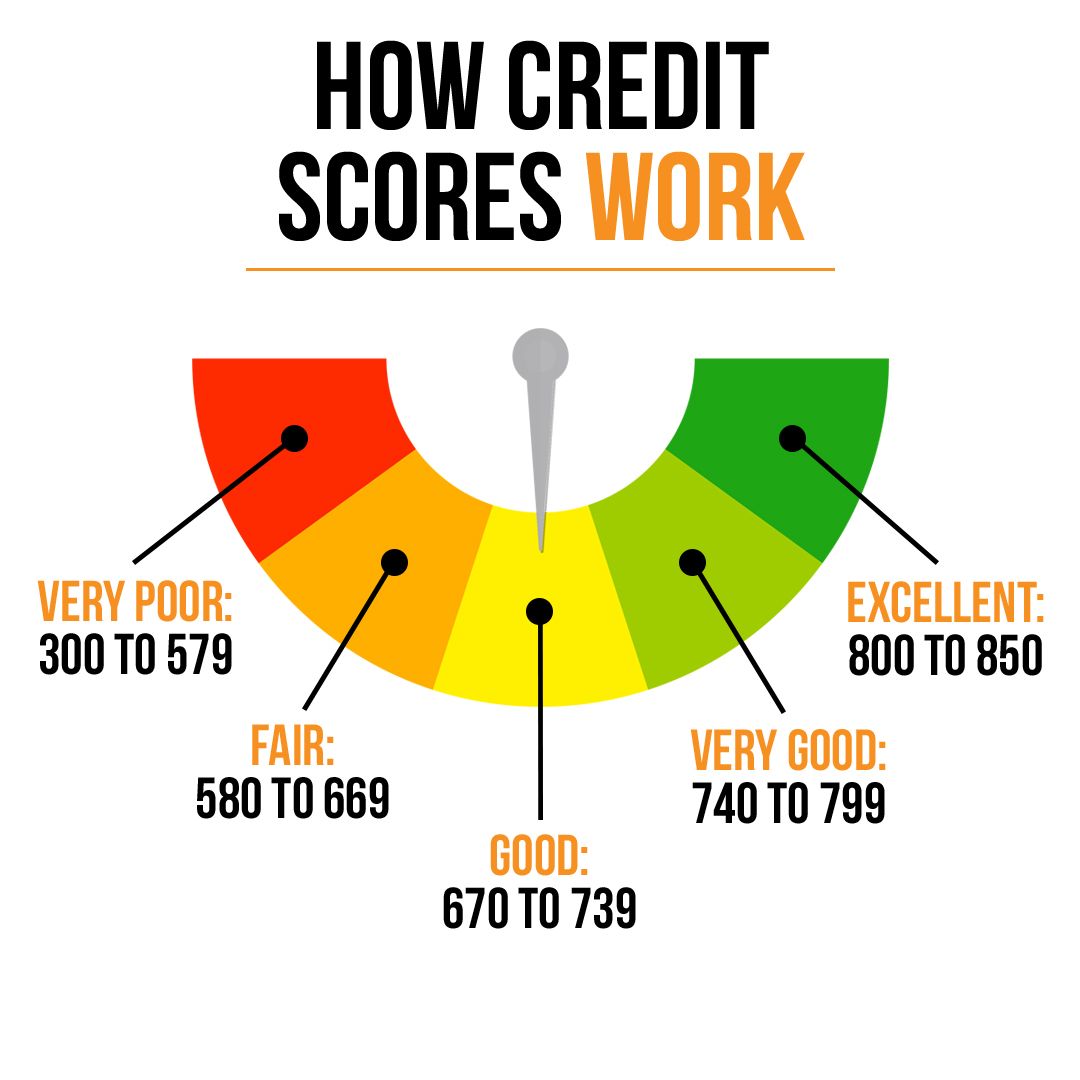
Here is a quick look at the brackets:
- 300–579 (Very Poor): You’ll likely be denied for most traditional loans or pay very high interest.
- 580–669 (Fair): You can get credit, but the terms won't be great.
- 670–739 (Good): This is the "sweet spot" where you start getting decent rates.
- 740–799 (Very Good): You’re seen as a very low-risk borrower.
- 800–850 (Excellent): You get the best of everything: the lowest rates and the highest limits.
For most young Texans, hitting that 700 mark is the first major goal. It’s the difference between a 4% interest rate on a car and a 14% rate. Over five years, that difference can cost you thousands of dollars.
The Ingredients: How Your Score is Cooked
You wouldn't try to bake a brisket without knowing how long to smoke it, right? Credit is the same way. You need to know which ingredients matter most.
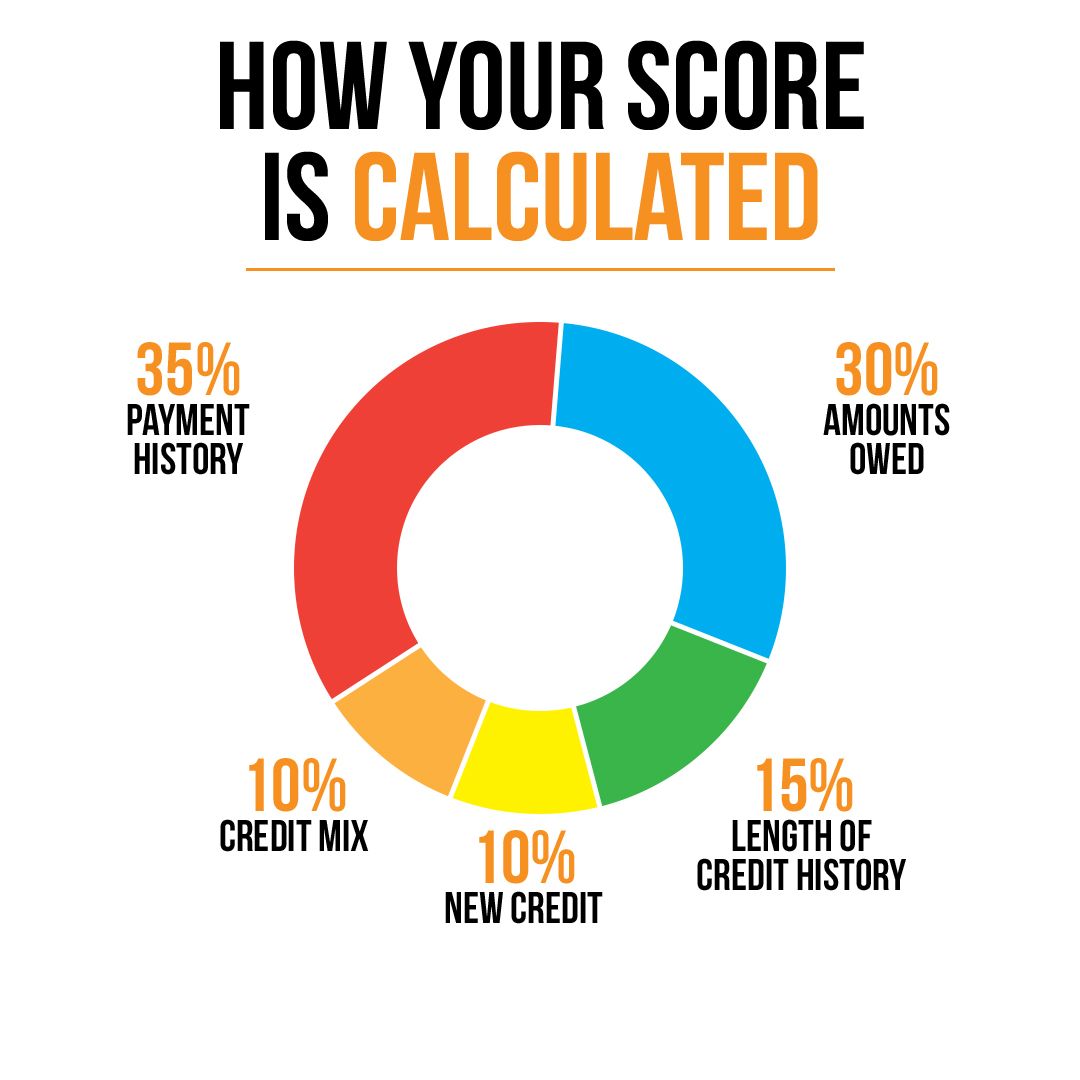
According to FICO, your score is based on five main factors:
- Payment History (35%): This is the big one. Do you pay your bills on time? Every single time? One late payment can tank a new score.
- Amounts Owed / Credit Utilization (30%): How much of your available credit are you actually using? If you have a $500 limit and you spend $450, you look risky to banks.
- Length of Credit History (15%): How long have your accounts been open? This is why starting young is such an advantage.
- Credit Mix (10%): Do you have different types of credit (like a credit card and an auto loan)?
- New Credit (10%): How many times have you applied for credit recently? Too many "hard inquiries" can signal desperation.
"Many people think they can just 'ignore' credit until they need it," says William Avery, owner of Texas Credit Trail. "The reality is that by the time you need it for a mortgage or a major purchase, it’s often too late to start. You have to build the well before you’re thirsty."
Step 1: The Foundation – Secured Credit Cards
If you have no credit, a traditional bank might turn you down for a standard credit card. This is where a Secured Credit Card comes in.
With a secured card, you provide a cash deposit (usually $200 to $500) that serves as your credit limit. If you don't pay your bill, the bank keeps the deposit. Because the bank has no risk, they are much more likely to approve someone with zero credit.
The trick here is to use it for one small thing: maybe a tank of gas or a streaming subscription: and pay it off in full every single month. After 6 to 12 months of on-time payments, most banks will "graduate" you to an unsecured card and give your deposit back.
Step 2: The Texas Favorite – Credit-Builder Loans
Credit-builder loans are a fantastic tool for young adults. Unlike a traditional loan where you get the money upfront, with a credit-builder loan, the lender puts the "loaned" amount into a locked savings account.
You make monthly payments (often as low as $25 or $50), and the lender reports those on-time payments to the credit bureaus. Once the loan is paid off, you get the money back! It’s basically a forced savings account that builds your credit history at the same time. You can learn more about how these work on our Education Page.
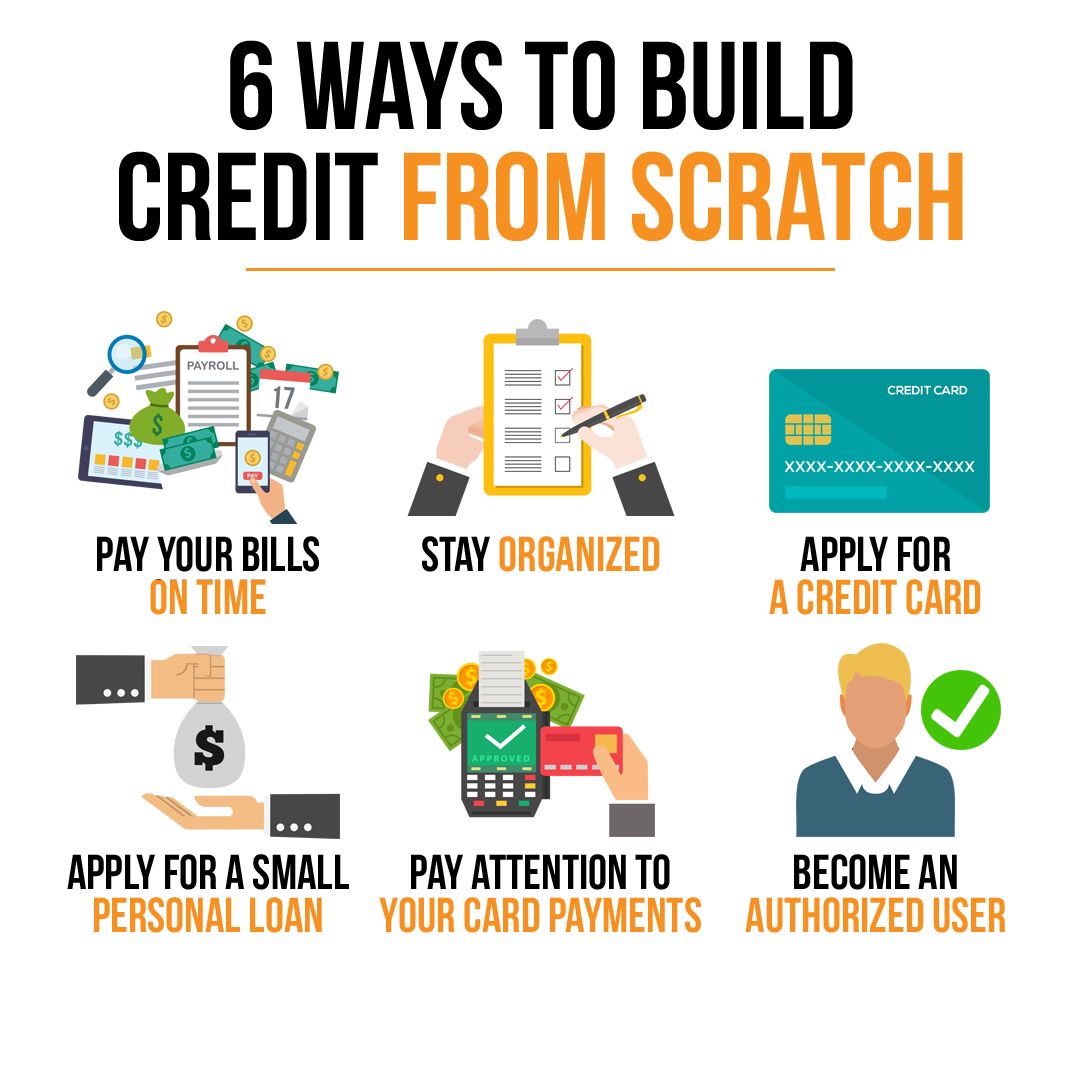
Step 3: Authorized User Status (The "Piggyback" Method)
If your parents or a trusted family member have a credit card account they’ve had for years with a perfect payment history, they can add you as an Authorized User.
When this happens, that entire history: the age of the account and the perfect payments: can show up on your credit report. It’s a legal way to "borrow" someone else’s good habits to jumpstart your own score.
A word of caution: Make sure the person adding you actually has good habits. If they miss a payment or max out the card, it could hurt your score too. You don't even need to have the physical card in your hand for this to work; you just need your name on the account.
Understanding Credit Utilization (The 30% Rule)
Once you get your first card, the biggest mistake you can make is "maxing it out," even if you pay it off at the end of the month.
Lenders look at your Credit Utilization Ratio. If you have a $1,000 limit and your statement closes with a $900 balance, your utilization is 90%. This looks bad to the credit bureaus.
The general rule is to keep your utilization under 30%. However, if you want an elite score, keep it under 10%. On a $500 starter card, that means never letting more than $50 show up on your monthly statement. If you spend more, pay it down before the statement date.
Common Credit Myths vs. Reality
In our line of work, we hear a lot of "advice" that is just plain wrong. Let’s clear the air:
- Myth: Carrying a balance on your credit card helps your score.
- Reality: This is false and expensive. You do not need to pay interest to build credit. Paying your balance in full every month is the best way to build a score.
- Myth: Checking your own credit score hurts it.
- Reality: Checking your own score (a "soft inquiry") does not hurt you. Only "hard inquiries" from lenders when you apply for a loan affect your score.
- Myth: Once a debt is paid, it disappears from your report.
- Reality: Most items, good or bad, stay on your report for seven years. This is why it’s so important to get things right the first time.
Why You Might Need Professional Help
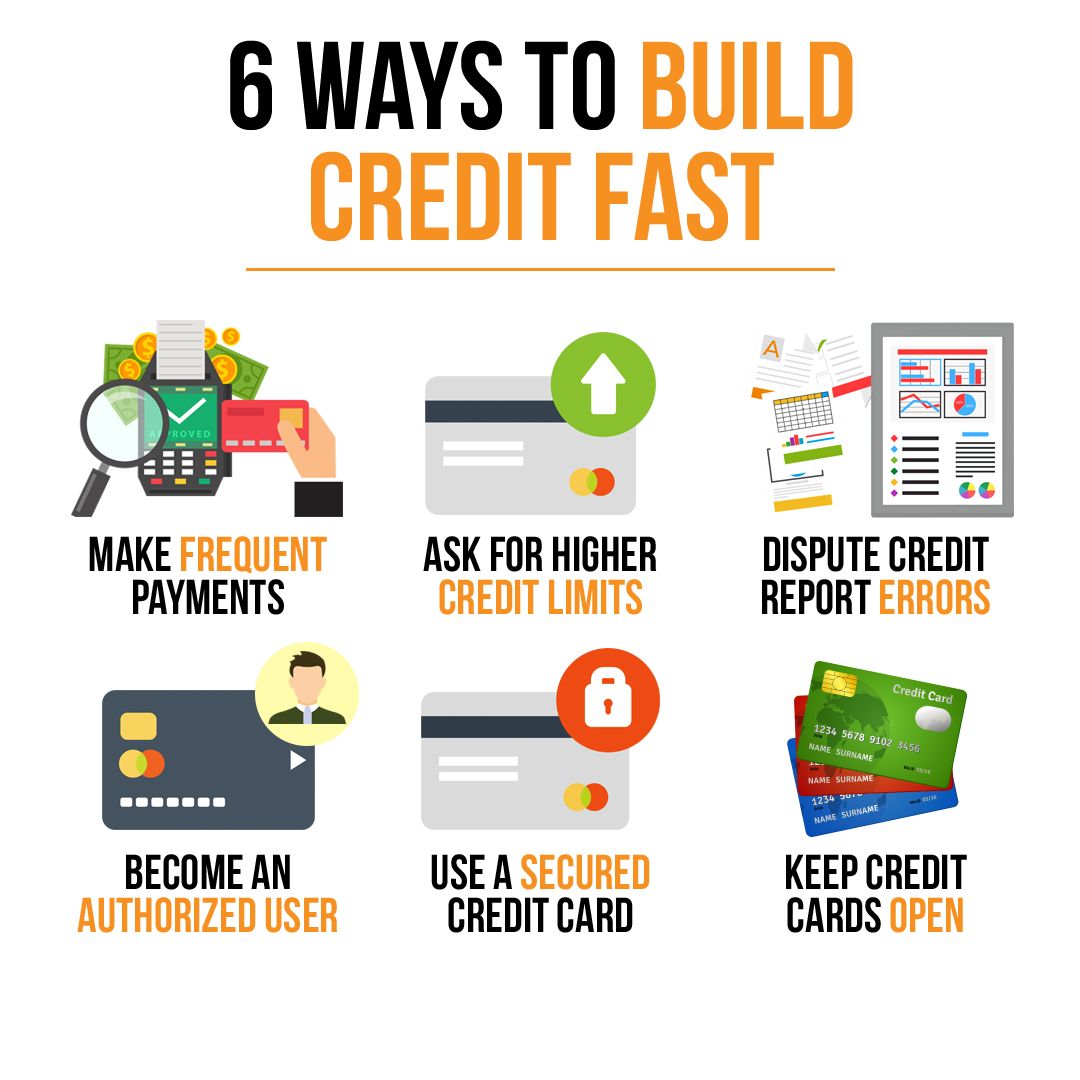
Building credit from scratch is straightforward, but it isn't always easy. Mistakes happen: an old medical bill you didn't know about, a missed utility payment from a college apartment, or even identity theft.
If you find that your score isn't moving despite your best efforts, or if there are errors on your report holding you back, that’s where we come in. At Texas Credit Trail, we specialize in identifying the roadblocks that keep Texas families from their financial goals.
While you can technically do everything yourself, the credit bureaus aren't always helpful. They are massive corporations that often make it difficult for individuals to dispute errors or navigate complex reporting laws. We know the "insider" rules they have to follow, and we make sure they follow them.
The Bottom Line
Building credit is a marathon, not a sprint. If you start today by opening a secured card or a credit-builder loan, and you commit to never missing a payment, you will be in a fantastic position by this time next year.
A high credit score is more than just a number; it’s freedom. It’s the freedom to buy a home, start a business, or simply have the peace of mind that you’re prepared for whatever life throws at you.
If you’re ready to take control of your financial future or if you’ve run into some bumps on your credit trail, don’t wait. The cost of having bad credit (or no credit) is a "tax" you pay every single month in higher interest.
Ready to start your journey?
Check out our Services Page to see how we can help you build a stronger foundation, or Contact Us for a consultation. Let’s get you on the right trail.
Ready to Start Your Credit Journey?
Get personalized credit repair guidance from William Avery
Book Free Consultation