Looking for a Good Credit Score? 10 Things Clear Lake Families Need to Know in 2026
It is 2026, and the financial landscape in Texas has changed. If you’re living in the Clear Lake or Bay Area, you know that the local real estate market is as competitive as ever. Whether you’re looking to move into a bigger home in League City or finally snagging that boat-ready property near the water, your credit score is the key that unlocks those doors.
But here’s the hard truth: the old tricks from ten years ago don’t always work anymore. Lenders are more selective, and the cost of having a "mediocre" score is higher than ever.
This guide is for the Texas families who are tired of being told "no" by lenders or being hit with "subprime" interest rates. If you’re ready to take control of your financial future and build a legacy for your kids, keep reading.
This is NOT for people who are looking for a "magic wand" or an overnight fix that disappears in 30 days. Credit repair is a journey: a trail: and it requires the right map.
1. Credit Scores in 2026: What Texas Families Need to Know Right Now
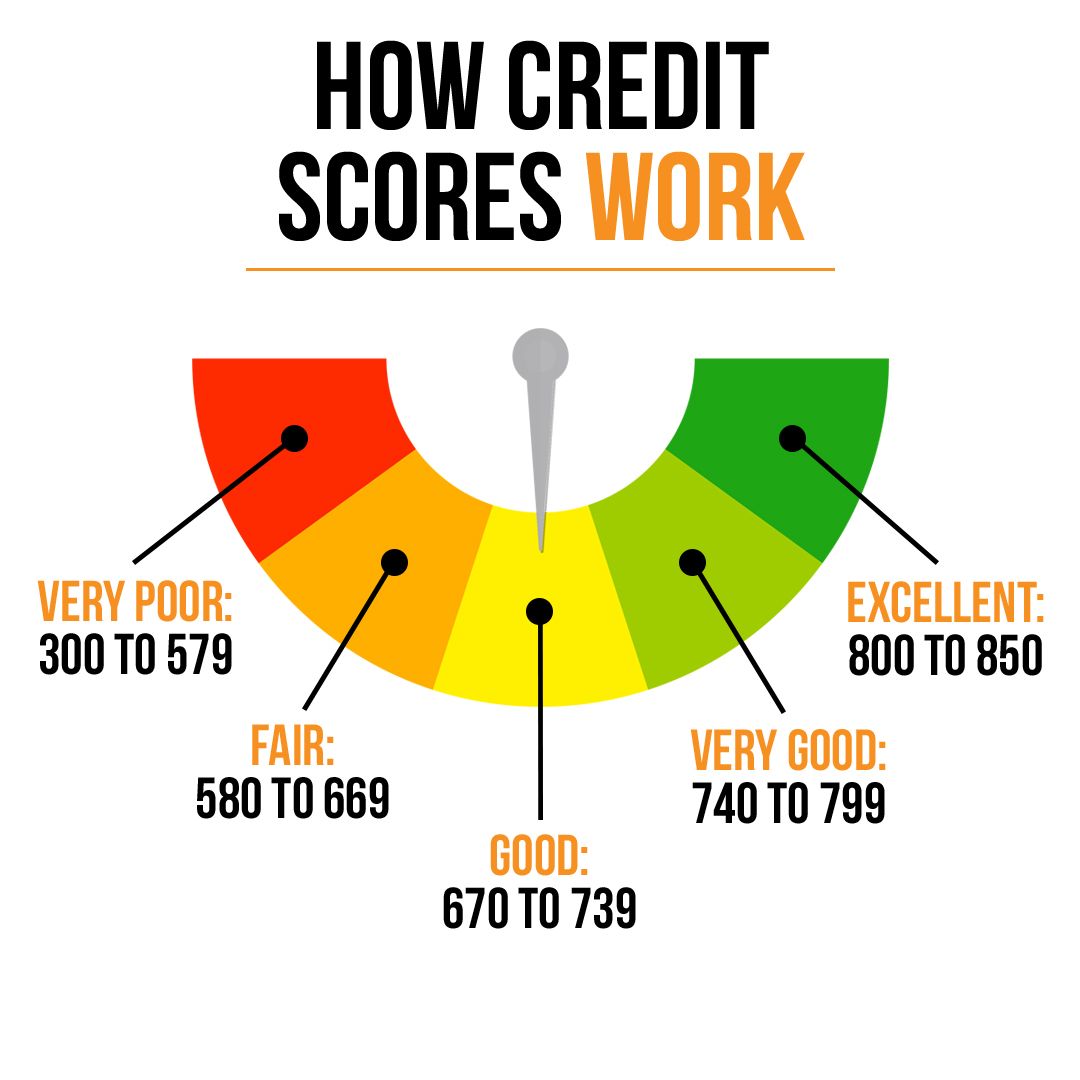
The goalposts have moved. While a 620 used to get you in the door for a mortgage, in 2026, the "sweet spot" for the best rates starts at 740 and up.
"I've seen families right here in the Bay Area miss out on their dream home because of a $50 medical bill they didn't even know existed," says William Avery, Owner of Texas Credit Trail. "In 2026, you can't afford to be 'pretty sure' about your credit. You have to know exactly where you stand."
A "good" credit score is generally considered to be between 670 and 739. If you're below that, you're likely paying hundreds: if not thousands: more in interest every single year.
2. Payment History: The 35% Weight You Can’t Ignore
Your payment history is the single most powerful factor in your credit score. It accounts for 35% of the total calculation. In the digital age of 2026, where everything is automated, a single missed payment can drop your score by 100 points in the blink of an eye.
If you’ve had a rough patch in the past, don't panic. While late payments stay on your report for seven years, their impact fades over time. The key is to start a clean streak today.
Pro Tip: Set up automatic payments for the minimum amount on every single card. Even if you plan to pay more later, the auto-pay ensures you never get hit with a "late" tag.
3. The 30% Utilization Simple Trick
The second biggest factor is credit utilization: how much of your available credit you are actually using. Most people think as long as they pay their bill in full every month, they are fine.
But here’s the "insider" secret: your credit score is often calculated based on the balance reported on your statement date, not your due date. If you max out your card and pay it off on the due date, the credit bureau might still see a 90% utilization rate.
The Simple Trick: Pay your balance down to below 30% (ideally below 10%) a few days before the statement closing date. This tells the bureaus you have plenty of room and aren't "thirsty" for debt.

4. Why Removing Collections is Different in 2026
Many Texans make the mistake of thinking that paying off a collection account will automatically raise their score. Reality check: it often doesn't. Sometimes, paying an old collection can actually lower your score by updating the "last activity" date.
Removing collections from your credit report requires a strategic approach. There are common mistakes Texans make, such as:
- Disputing everything online through the bureau portals (which can waive your right to future manual reviews).
- Not asking for "Validation of Debt."
- Admitting the debt is yours before seeing the paperwork.
At Texas Credit Trail, we focus on the services that help navigate these legal nuances.
5. Length of Credit: Don't Close Those Old Accounts!
In 2026, history is a valuable currency. 15% of your score is based on how long you've had credit. Clear Lake families often make the mistake of closing old credit cards they no longer use, thinking it "cleans up" their finances.
In reality, closing that card you’ve had since college can shorten your average credit age and hurt your score. Keep them open, buy a tank of gas once every six months to keep them active, and let that history work for you.
6. Credit Mix: More Than Just Credit Cards
Lenders want to see that you can handle different types of debt responsibly. This accounts for 10% of your score. A healthy mix includes:
- Revolving Credit: Credit cards or lines of credit.
- Installment Loans: Auto loans, mortgages, or personal loans.
If you only have credit cards, your score might plateau. Adding a small, manageable installment loan can sometimes provide the boost needed to cross into the "Excellent" range. You can learn more about managing these in our education section.
7. The Myth of the "Married" Credit Score
We see this all the time with young couples moving to the Bay Area. One spouse has great credit, the other… not so much. They assume that once they get married, their scores will "merge."
Myth vs. Reality: Your credit report is yours and yours alone. While you can apply for joint loans (like a mortgage), the lender will look at both scores: and usually, they use the lower of the two. This is why it’s vital for both partners to maintain a healthy profile.

8. Beware of "Hard Inquiries" Before a Big Move
Every time you apply for credit: a new card, a car loan, or even some apartment rentals: a "hard inquiry" is recorded. In 2026, with the rise of instant-approval apps, it’s easy to rack up ten inquiries in a weekend.
Each inquiry can shave a few points off your score. If you are planning to buy a home in the next 6-12 months, stop applying for anything else. Keep your credit "quiet" so it stays strong when the mortgage lender pulls your file.
9. Avoid These Common Credit Pitfalls
There are specific actions that act like anchors on your financial progress. We call these the "Texas Credit Sinkholes."
- Co-signing for a friend: If they miss a payment, it hits your credit just as hard as theirs.
- Maxing out cards: Even if you have the cash to pay it off, high utilization looks like a risk.
- Ignoring errors: Roughly 1 in 5 credit reports have errors. If you aren't checking yours at least twice a year, you’re likely being penalized for a mistake that isn't yours.

10. Start Planning 6–12 Months Ahead
If your goal is to buy a house or a new truck in Clear Lake, don't wait until the week you visit the dealership to check your score. Credit repair and optimization take time.

You need at least 6 months to see significant movement if you have major issues to resolve. Think of it like training for a marathon along the Kemah boardwalk: you wouldn't start training the day before the race.
The Bottom Line
Information is power, but execution is everything. You can read all the ebooks in the world, but if you don't have a structured plan to deal with the bureaus and the creditors, you're just spinning your wheels.
In 2026, the cost of bad credit isn't just a number on a screen; it's the extra $400 a month on your mortgage or the $10,000 you overpaid for your car loan. That’s money that could be going toward your kids' college fund or a family vacation.
Texas Credit Trail was built on the idea that every family deserves a clear path to financial freedom. We aren't just here to "fix" scores; we're here to educate you so you never have to worry about your credit again.
Ready to stop guessing and start growing? Let’s get you on the right trail.
Click here to book your Credit Consultation and start your journey toward a better score today!
Ready to Start Your Credit Journey?
Get personalized credit repair guidance from William Avery
Book Free Consultation