The Ultimate Guide to How to Fix Credit: Everything Your Texas Family Needs to Succeed in 2026
For families living in the Clear Lake and Bay Area, the Texas dream: owning a home with a yard, driving a reliable truck, and sending the kids to a good school: often hinges on three little numbers. As we move through 2026, the financial landscape has shifted. Lenders are more cautious, and interest rates require you to have a stellar credit profile just to get a fair shake.
Whether you are looking to buy your first home near the water or you’re a long-time resident trying to lower your monthly expenses, understanding how to fix and maintain your credit is no longer optional. It is a vital survival skill. At Texas Credit Trail, we believe in education first. We aren’t here to sell you a "magic wand"; we’re here to provide the map and the compass your family needs to navigate the credit trail.
The Reality of Credit in 2026
If you’ve been feeling the squeeze, you aren’t alone. Many Texas families are dealing with the fallout of a changing economy. Maybe a medical bill went to collections, or a job transition led to a few late payments. The "hard truth" is that the credit system isn't designed to be fair; it's designed to be accurate: and only if you force it to be.
"Credit repair isn't about 'tricking' the system. It's about holding credit bureaus and creditors accountable to the law. If they can't prove it, they can't report it. It’s that simple." : William Avery, Owner of Texas Credit Trail.
Understanding Your Rights as a Texan
Texas has some of the strongest consumer protections in the country. Under the Fair Credit Reporting Act (FCRA), you have the right to an accurate, fair, and private credit report. Furthermore, any credit services organization (CSO) operating in Texas must be registered with the Secretary of State and maintain a $100,000 surety bond. This protects you from the "fly-by-night" operations that give our industry a bad name.
If you are looking for help, always check for these credentials. We take pride in our compliance and transparency, ensuring our Clear Lake neighbors are never led astray.
Step 1: Decoding the 2026 Credit Score
To fix something, you have to know how it works. In 2026, the weight of each factor in your credit score remains a critical guide for your strategy.

- Payment History (35%): This is the "big kahuna." Even one late payment can stay on your report for seven years.
- Amounts Owed (30%): Also known as credit utilization. If you have a $1,000 limit and you owe $900, your score will tank, even if you pay on time.
- Length of Credit History (15%): This is why we tell young adults in the Bay Area to start building credit early.
- Credit Mix (10%): Lenders like to see that you can handle both a credit card and an installment loan (like a car or home loan).
- New Credit (10%): Every time you apply for a loan, a "hard inquiry" hits your report. Too many at once signal desperation to lenders.
Step 2: The Audit – Finding the Trail Markers
You cannot fix what you cannot see. Your first move is to pull your three-bureau credit report. In 2026, digital access is easier than ever, but reading the fine print is where most people get tripped up.
What we look for in an audit:
- Incorrect Personal Information: Misspelled names or old addresses can sometimes link your profile to someone else's bad debt.
- Duplicate Accounts: Sometimes a collection agency sells your debt to another agency, and both show up. This is illegal.
- Expired Timelines: Most negative items should fall off after seven years. If they are still there, they need to go.
- Unverified Collections: If a debt collector cannot produce the original contract with your signature, they may not have the legal right to report that debt.
Step 3: Removing the Obstacles (Collections and Late Payments)
This is the core of "how to fix credit." There are several methodologies we use at Texas Credit Trail that go beyond the basic "I don't recognize this" dispute.
Dealing with Collections
When a debt goes to collections, it feels like a heavy weight. However, 2026 regulations require strict data standards (often called Metro 2 formatting). If a collector reports even a decimal point incorrectly, it's a violation.
We often use Debt Validation letters. This isn't just asking "is this mine?" It's demanding the collector prove they have the legal authority to collect the debt in the State of Texas. If they can't, that negative mark must be deleted.
The Goodwill Approach for Late Payments
If you have a long history with a bank but missed one payment during a family emergency, a "Goodwill Letter" can work wonders. This isn't a legal demand; it’s a neighborly request for a "grace" deletion. It doesn't always work, but for our clients with otherwise solid histories, it's a high-percentage play.

Caption: A view of the Clear Lake area, reminding us that local families deserve a solid financial foundation.
Step 4: The 30% Rule and Credit Utilization
While we work on removing the "bad," you must manage the "good." The quickest way to see a jump in your score: sometimes 50 to 100 points in a single billing cycle: is to pay down your balances.
The Simple Trick: Keep your utilization below 30% on every single card. If your limit is $1,000, never let the balance that gets reported to the bureaus exceed $300. In fact, for the best scores in 2026, we recommend aiming for under 10%.
If you're struggling to pay them down, we offer digital guides and ebooks that help with budgeting specifically for Texas households.
Step 5: Building for the Next Generation
If you are starting from scratch: perhaps you have a child graduating from high school in Clear Lake this year: the strategy is different. You aren't fixing; you're building.
- Authorized User: Add your child to your oldest, cleanest credit card. They don't even need to use the card; your good history becomes their history.
- Credit Builder Loans: These are low-risk loans where the money is held in a savings account while you pay it off. Once finished, you get the money and a boost to your score.
- Secured Cards: A great way to "prove" yourself to the banks with your own deposit.
Myth vs. Reality: What Texans Need to Know
There is a lot of bad information floating around the internet. Let's set the record straight for our Bay Area community.
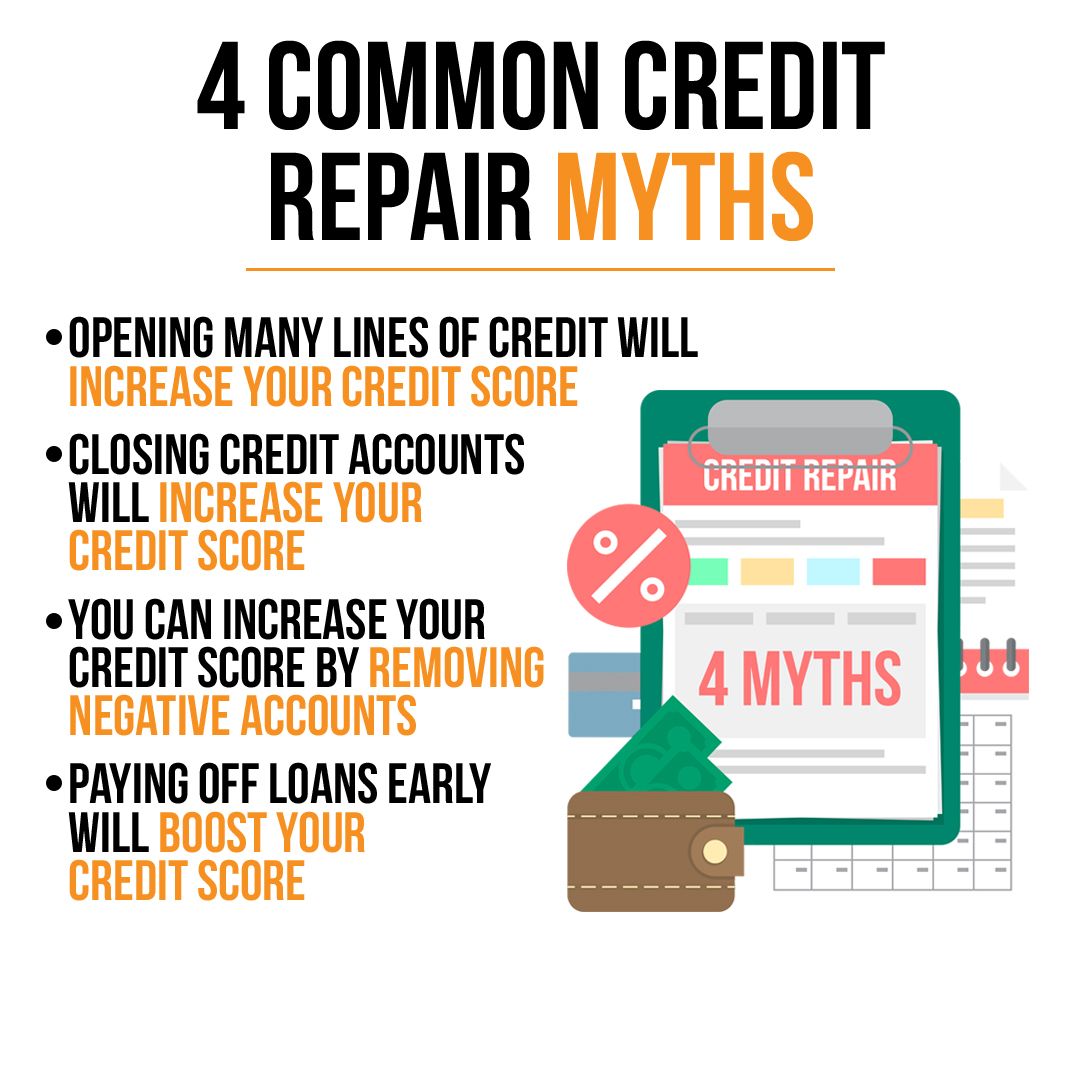
- Myth: Paying off an old collection will automatically raise your score.
- Reality: Sometimes, paying an old debt "awakens" it, making it look like a recent negative event. It is often better to negotiate a "Pay for Delete" agreement before sending a dime.
- Myth: You have to wait 7 years to fix your credit.
- Reality: While items can stay for 7 years, they can be removed much sooner if they are inaccurate, incomplete, or unverifiable.
- Myth: Credit repair is a scam.
- Reality: Unregulated "guaranteed" fixes are scams. Legal, educational credit restoration based on the FCRA is a legitimate financial service used by thousands of Texans.
Why Professional Help Matters
Technically, you can do all of this yourself. You can also change your own transmission or defend yourself in court. But most Clear Lake families don't have 40+ hours a month to study consumer law and draft 15 different types of legal disputes.
The Professional Difference:
- Speed: While DIY can take years of trial and error, our clients often see measurable progress every 35-45 days.
- Tactics: We use advanced strategies like Metro 2 challenges and direct furnisher disputes that go deeper than standard online disputes.
- Experience: We’ve seen the dirty tricks creditors play and we know how to counter them.

Is This Guide for You?
This guide and our services are designed for Texas families who are ready to take their financial future seriously.
This is for you if:
- You want to buy a home or land in Texas within the next 6-12 months.
- You are tired of being denied for a car loan or paying 20%+ interest.
- You want to leave a legacy of financial literacy for your children.
This is NOT for you if:
- You are looking for a "CBR" or other illegal "new identity" schemes.
- You expect a 400 score to turn into an 800 overnight.
- You aren't willing to change the habits that led to the credit issues in the first place.
Your Path to a Better Future Starts Here
The "Credit Trail" isn't always a straight line, but you don't have to walk it alone. Whether you utilize our free educational resources or decide to partner with us for a full restoration, the most important step is the first one.
Don't let another year pass by paying "bad credit taxes" in the form of high interest rates and missed opportunities. Let's get your family back on the right trail.
Ready to see what's possible? Start your journey today.
Click Here to Schedule Your Credit Consultation and Start Your Journey
Ready to Start Your Credit Journey?
Get personalized credit repair guidance from William Avery
Book Free Consultation